Breaking Down Barriers: Understanding Racial Disparities in Occupational Therapy Access for Autistic Children

When your child receives an autism diagnosis, occupational therapy often becomes a cornerstone of their support plan. Yet groundbreaking new research reveals troubling disparities in who actually receives these vital services in the crucial early years following diagnosis.

A comprehensive study published in Physical & Occupational Therapy in Pediatrics examined occupational therapy access patterns across different racial and ethnic groups during the first five years after autism diagnosis. The findings illuminate significant barriers that many families face in accessing essential therapeutic support.

The Research Reveals Critical Gaps

The study tracked therapy access patterns and found concerning disparities based on race and ethnicity. While occupational therapy can be transformative for developing fine motor skills, sensory processing abilities, and daily living skills in autistic children, not all families have equal opportunities to access these services.

These disparities emerged despite occupational therapy being recognized as an evidence-based intervention that can significantly improve quality of life for autistic individuals and their families.

Why Access Matters More Than Ever

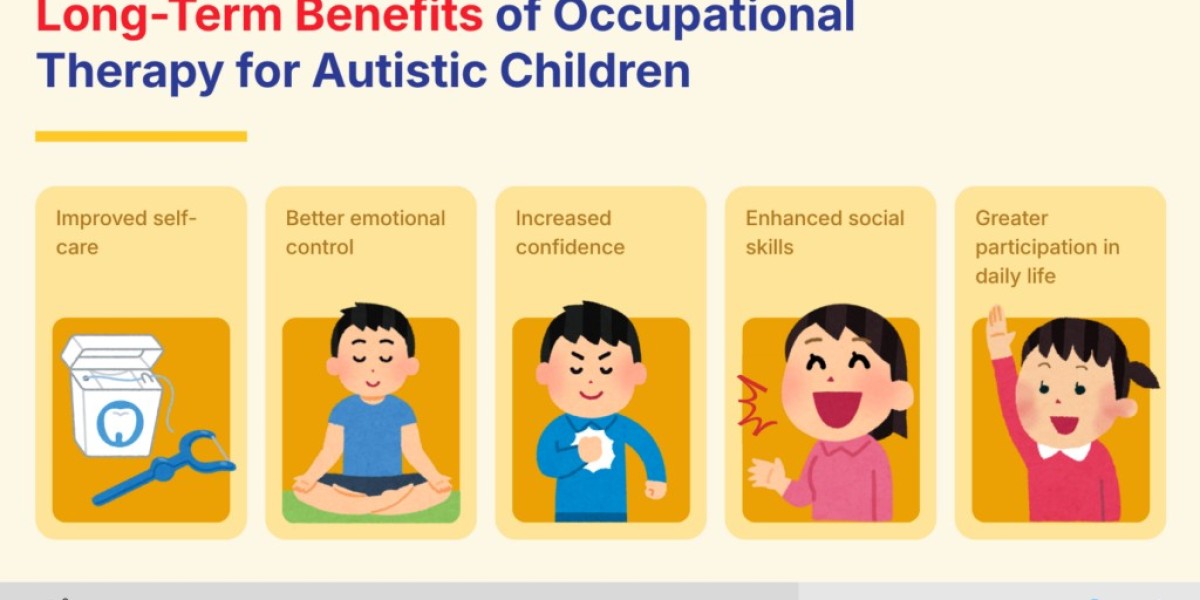
Early occupational therapy intervention during those first five years can be particularly impactful. This is when children are developing foundational skills for school readiness, self-care, and social participation. The therapy helps address sensory processing challenges, develops hand-eye coordination, and builds independence in daily activities like dressing, eating, and academic tasks.

When access is limited or delayed, children may miss critical developmental windows, potentially affecting their long-term outcomes and family well-being.

What Parents Can Do

If you're navigating therapy access challenges, know that you're not alone. Start by connecting with your pediatrician about referral options and insurance coverage requirements. Many states offer early intervention services that can bridge gaps in private therapy access.

Consider reaching out to local autism support organizations, as they often maintain resource lists and can connect you with therapists who understand diverse family needs. Don't hesitate to ask about sliding scale fees or scholarship programs that some practices offer.

The research reminds us that every child deserves equitable access to the therapies that can help them thrive. While systemic changes are needed, individual advocacy and community support can help families navigate existing barriers.

Have you encountered challenges accessing occupational therapy or other services for your autistic child? What strategies worked for your family in finding the right therapeutic support?