
Robot-Assisted Autism Therapy: Does Parent Presence Make a Difference?
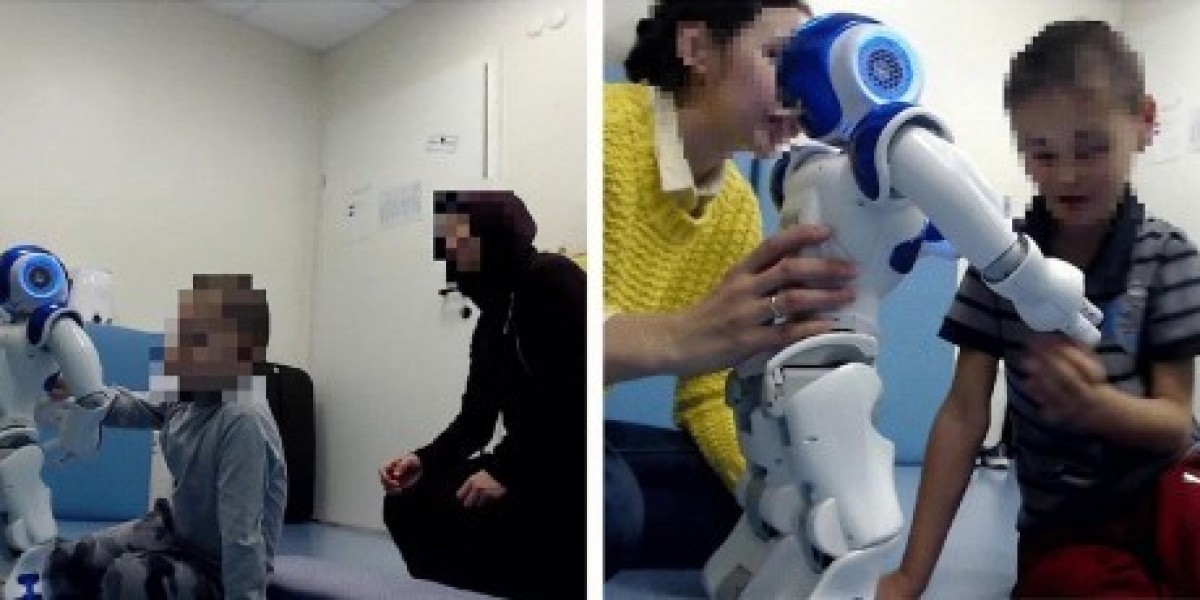
A 2022 study published in the Journal of Autism and Developmental Disorders looked at whether having parents present during robot-assisted autism therapy (RAAT) sessions affected children's outcomes. Here's what parents should know:
What Did Researchers Study?
The team worked with 16 autistic children who participated in multiple therapy sessions with a social robot. Some sessions included parents, while others didn't. Researchers tracked children's social behaviors and interviewed parents about their observations.
Key Findings
- Parent presence didn't necessarily change children's outcomes during the sessions
- Children's individual autism symptoms influenced how they behaved differently with/without parents present
- Most parents reported noticing positive behavior changes in their children during robot interactions
Why This Matters
While traditional autism therapy often relies on parent involvement, this study shows robot-assisted therapy might work differently. The findings suggest robot therapy could be effective whether or not parents are physically present during sessions.
Practical Takeaways
- Robot therapy may offer flexibility - sessions could potentially work well at school or clinic settings without parent attendance
- Parents observing sessions might notice positive changes therapists could build upon
- A child's individual needs should guide decisions about parent involvement
Study Limitations
This was a small study (only 16 children) and more research is needed. The findings don't mean parents shouldn't be involved - just that their presence may not be required for robot therapy to be effective.
Read the full study (published January 2022): https://link.springer.com/article/10.1007/s10803-022-05429-x
Read the study: https://link.springer.com/article/10.1007/s10803-022-05429-x