
Understanding Autism: Key Facts and Support Strategies for Families
Autism spectrum disorder (ASD) is a diverse group of conditions related to brain development, affecting approximately 1 in 127 people as of 2021, according to the World Health Organization (WHO). While characteristics of autism can often be detected in early childhood, many individuals are not diagnosed until later in life. This delay can impact access to early interventions, which are crucial for improving communication, social skills, and overall well-being.
Why This Matters for Autism Families
Autism presents differently in every individual—some may live independently, while others require lifelong care and support. The challenges extend beyond the individual, affecting education, employment opportunities, and family dynamics. Caregivers often face significant demands, and societal attitudes, along with local and national support systems, play a key role in improving quality of life for autistic individuals and their families.
Key Characteristics of Autism
According to the WHO, autism is characterized by:
- Difficulty with social interaction and communication.
- Atypical patterns of behavior, such as challenges transitioning between activities.
- Heightened focus on details and unusual reactions to sensory input.
Additionally, many autistic individuals experience co-occurring conditions like epilepsy, depression, anxiety, or ADHD, which may require additional support.
Practical Takeaways for Parents and Caregivers
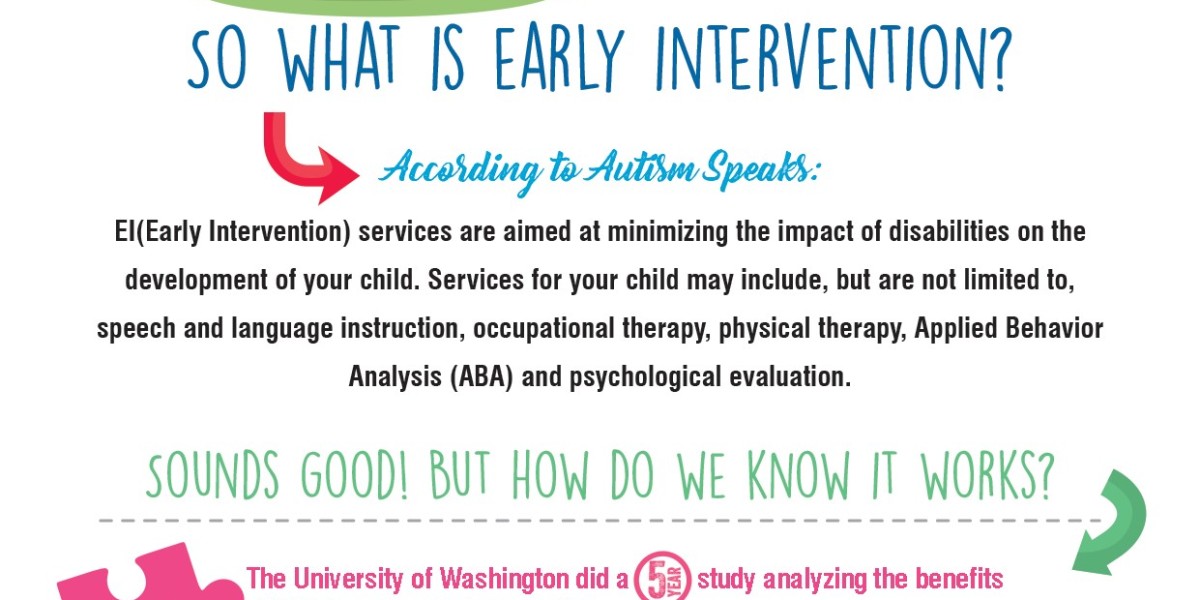
- Seek Early Intervention: If you suspect developmental differences in your child, consult a healthcare provider. Early psychosocial interventions can improve communication and social skills.
- Advocate for Support: Push for greater accessibility and inclusivity in schools, workplaces, and community spaces. Societal support is crucial for improving quality of life.
- Prioritize Self-Care: Caring for an autistic loved one can be demanding. Seek out caregiver support groups or respite services to help manage stress.
Moving Forward Together
Autism is a lifelong journey, but with the right resources and community support, individuals and families can thrive. If you're looking for more information, visit the WHO’s fact sheet on autism for additional insights.
Source: World Health Organization (WHO)
Source: www.who.int