
Understanding Autism Spectrum Disorder: Key Facts for Families
Autism spectrum disorder (ASD) is a complex neurodevelopmental condition that affects individuals differently, presenting both challenges and unique strengths. According to the World Health Organization (WHO), about 1 in 127 people had autism in 2021, highlighting how common this condition is in our communities.
Why This Matters to Autism Families
Autism is characterized by difficulties with social interaction, communication, and sometimes unusual reactions to sensory input or changes in routine. The WHO emphasizes that while some autistic individuals live independently, others require lifelong support. This wide spectrum means every family's journey is unique, and understanding these differences is crucial for providing appropriate care.
What Parents Should Know
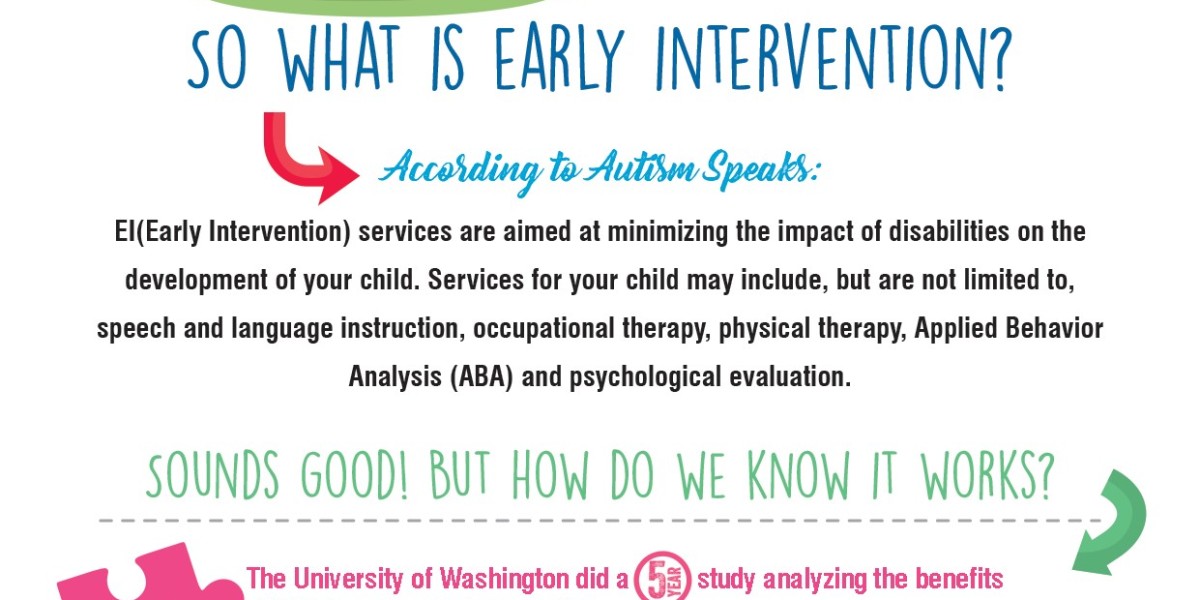
Early detection of autism characteristics is possible, but diagnosis often comes later. The WHO notes that evidence-based interventions can significantly improve communication, social skills, and overall quality of life for autistic individuals and their caregivers. However, support shouldn't stop at the individual level - communities and societies need to work toward greater inclusivity and accessibility.
Practical Takeaways for Families
- Seek early evaluation if you notice developmental differences in your child, as early intervention can make a significant difference.
- Explore psychosocial interventions that are evidence-based to support communication and social skill development.
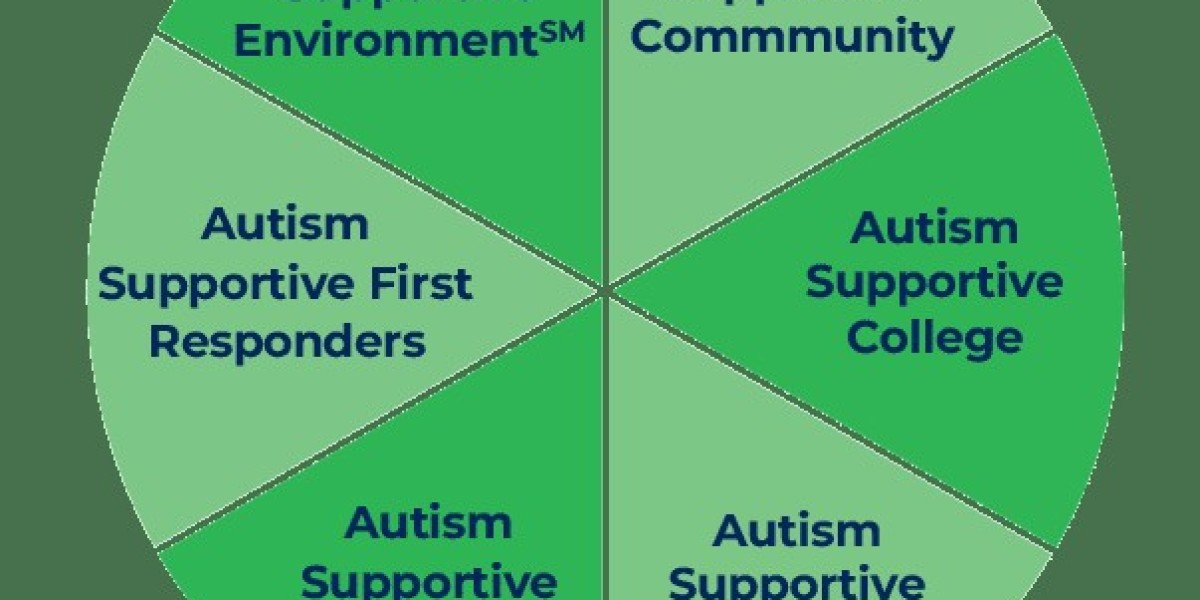
- Advocate for community support by working with local organizations to create more inclusive environments for your child.
Moving Forward Together
Understanding autism is the first step toward creating a supportive environment for your child. Remember that needs and abilities can evolve over time, and with the right support, autistic individuals can thrive.
For more detailed information from the World Health Organization about autism spectrum disorders, visit their fact sheet.
Source: www.who.int