
Biomarkers & Autism: What Yale Research Means for Families
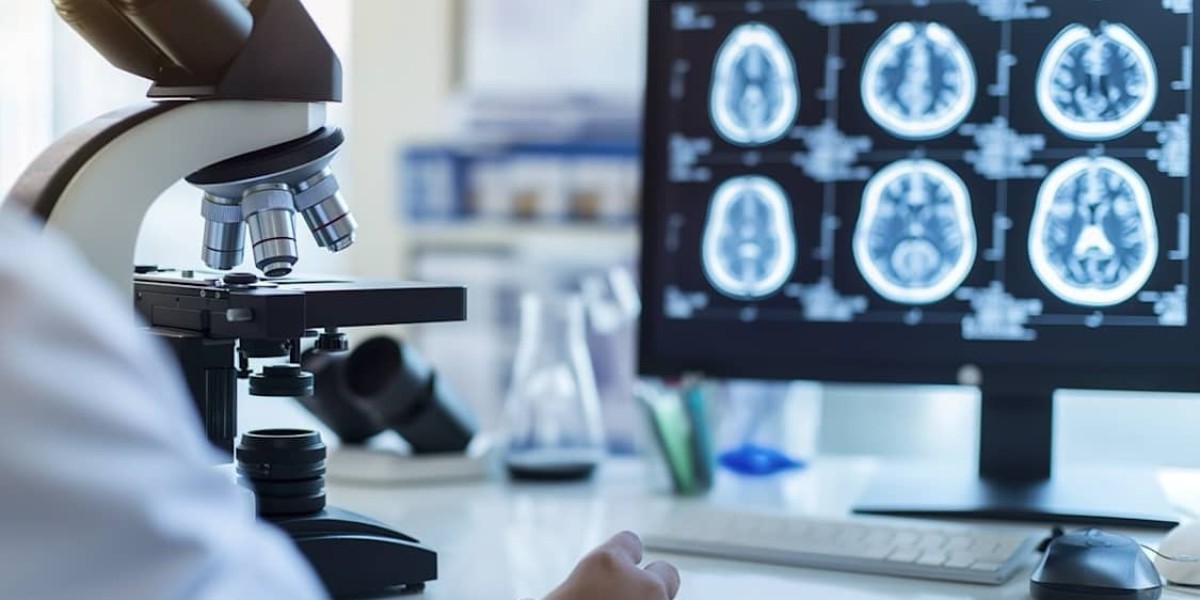
Researchers at Yale are exploring how biological markers (biomarkers) could revolutionize autism diagnosis and care—an exciting development for families seeking more precise support for their children. In a Q&A with Yale expert Dr. James McPartland, he explains how biomarkers (measurable signals in blood, saliva, brain scans, etc.) might help decode the link between brain function and behavior in autism.
Why This Matters
Currently, autism diagnoses rely heavily on behavioral observations, which can be subjective or delayed. Biomarkers could offer:
- Earlier detection: Objective measures might identify autism before clear behavioral signs emerge.
- Personalized support: Understanding a child's unique biological profile could guide tailored therapies.
- Treatment tracking: Biomarkers might help monitor how well interventions are working at a physiological level.
Key Takeaways for Parents
- Stay informed but patient: While biomarker research is promising, it's still evolving. Current autism care still prioritizes behavioral and developmental therapies.
- Ask about research opportunities: If interested, inquire with local universities or clinics about participating in ethical autism studies.
- Focus on the whole child: Even with future advances, behavioral observations and individual needs will remain central to support.
Dr. McPartland emphasizes that biomarkers could complement—not replace—current approaches. For now, parents can track their child's progress through developmental milestones and trusted therapies while keeping an eye on this hopeful frontier.
Learn more: Read the full Q&A on Yale School of Medicine's website (March 31, 2026).
Source: medicine.yale.edu