
Zebrafish Research Offers New Hope for Autism Therapies
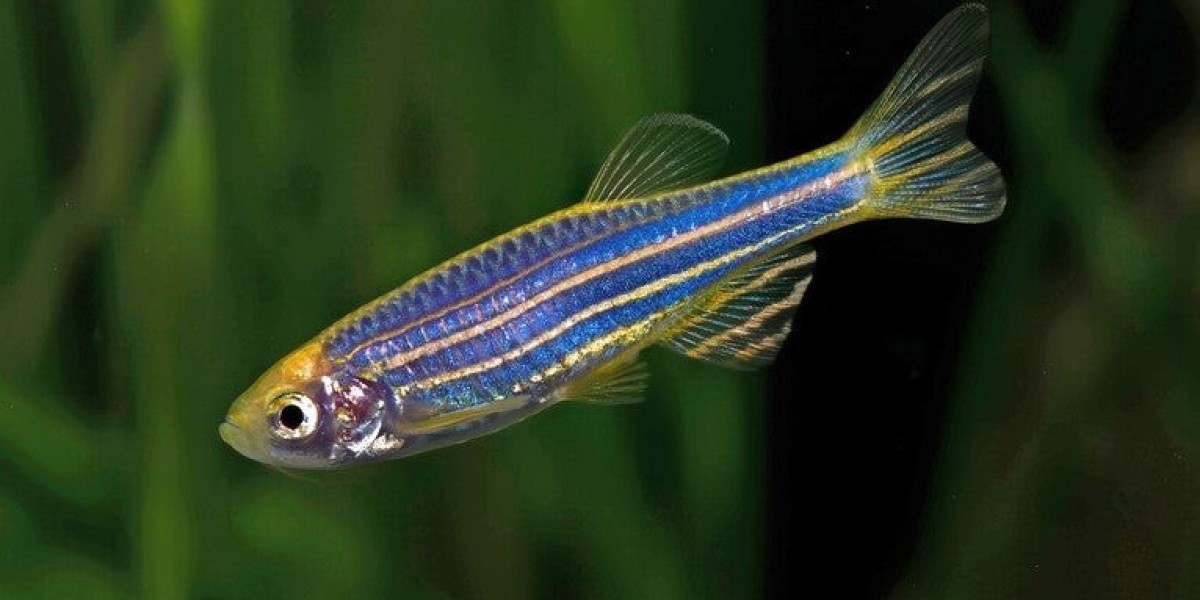
For families navigating autism spectrum disorder (ASD), new research from Yale brings a glimmer of hope from an unexpected source: zebrafish. These tiny tropical fish are helping scientists identify potential drug candidates that could one day lead to more personalized autism treatments.
Why This Matters for Autism Families
According to Yale researchers, zebrafish carrying mutations in autism risk genes have helped create a database of 520 FDA-approved drugs and their effects. This database is being used to identify drug candidates that might reverse certain disrupted behaviors associated with autism genes. What makes this particularly exciting is the potential for a precision medicine approach — treatments tailored to specific genetic profiles rather than a one-size-fits-all solution.
As senior study author Ellen J. Hoffman from the Yale Child Study Center explains, "Because autism spectrum disorder is highly clinically and genetically heterogeneous, it is challenging to identify drug candidates." This research represents an important step toward overcoming that challenge.
Why Zebrafish?
You might wonder why scientists are using fish to study human conditions. Zebrafish have become valuable in research because:
- They share remarkable genetic similarities with humans
- They're easy to study genetically
- They produce many offspring quickly
These qualities have made them instrumental in studying various diseases, and now autism research is benefiting from this model too.
What This Means for Families
While this research is still in early stages, it offers several important implications:
- Personalized Approaches: The study highlights the potential for treatments tailored to specific genetic profiles within the autism spectrum.
- Faster Discovery: Using zebrafish allows researchers to test many drug candidates more quickly than traditional methods.
- Repurposed Medications: The study examines already-approved drugs, which could potentially speed up the timeline for new treatment options.
Next Steps for Parents
While we await further developments from this promising research, here are some practical steps families can take now:
- Stay informed about genetic research in autism — understanding your child's specific genetic profile may become increasingly important for treatment decisions.
- Discuss with your child's doctor about participating in genetic studies or clinical trials when appropriate.
- Follow reputable research institutions like Yale for updates on this and related studies.
This research reminds us that science continues to make important strides in understanding autism. While there are no immediate treatments from this study, it represents an important step toward more personalized, effective therapies in the future.
Source: Yale News, April 2, 2026
Source: news.yale.edu