
2025 Autism Research Highlights: What Parents Need to Know
Every year, autism research brings new insights that can help families better understand and support their loved ones. The 2025 Research Roundup from Autism Speaks highlights several promising developments. While science continues to evolve, these findings offer practical hope and direction for parents navigating autism parenting.
Why This Research Matters
Autism research shapes therapies, school accommodations, and even policy decisions. Understanding the latest findings helps parents advocate for their children and make informed choices about interventions. The 2025 roundup includes studies on early intervention, sensory processing, and communication tools—topics that directly impact daily life for autism families.
Key Takeaways for Parents
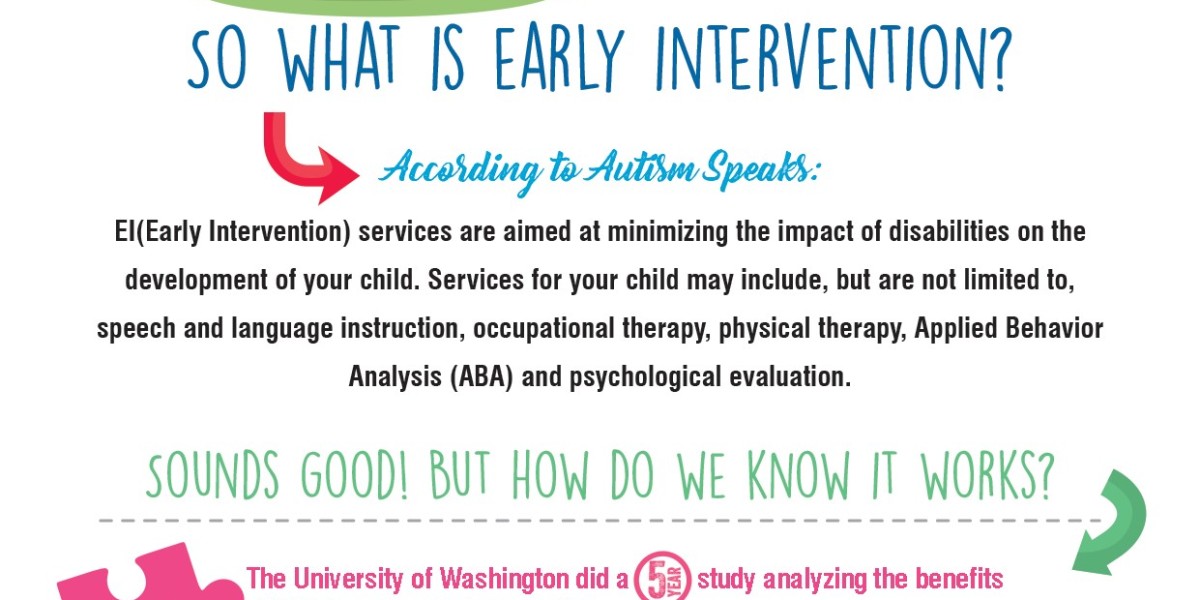
- Early Intervention Still Leads to Best Outcomes: New studies reinforce that early, personalized support improves long-term communication and social skills. If your child is young, connecting with early childhood programs remains critical.
- Sensory-Friendly Environments Reduce Stress: Research confirms that adjusting lighting, noise, and textures can significantly improve focus and behavior. Talk to your child’s school or therapist about sensory accommodations.
- Tech-Assisted Communication Tools Are Expanding: More evidence supports the use of apps and devices for nonverbal or minimally verbal children. If speech is a challenge, explore augmentative and alternative communication (AAC) options with your care team.
Next Steps for Families
- Discuss New Findings with Your Therapists: Share relevant research with your child’s providers to see if adjustments to their plan could help.
- Connect with Other Parents: Join forums or local groups to exchange insights on how to apply research in real-life settings.
- Stay Updated: Follow trusted sources like Autism Speaks or research journals to track future breakthroughs.
Science moves forward one study at a time, but each finding brings us closer to better support and understanding. For more details, read the full 2025 Research Roundup and talk to your child’s care team about how these insights might apply to your family’s journey.
Source: www.autismspeaks.org