
Can Music Therapy Help Autistic Kids Build Social Skills? What Research Says
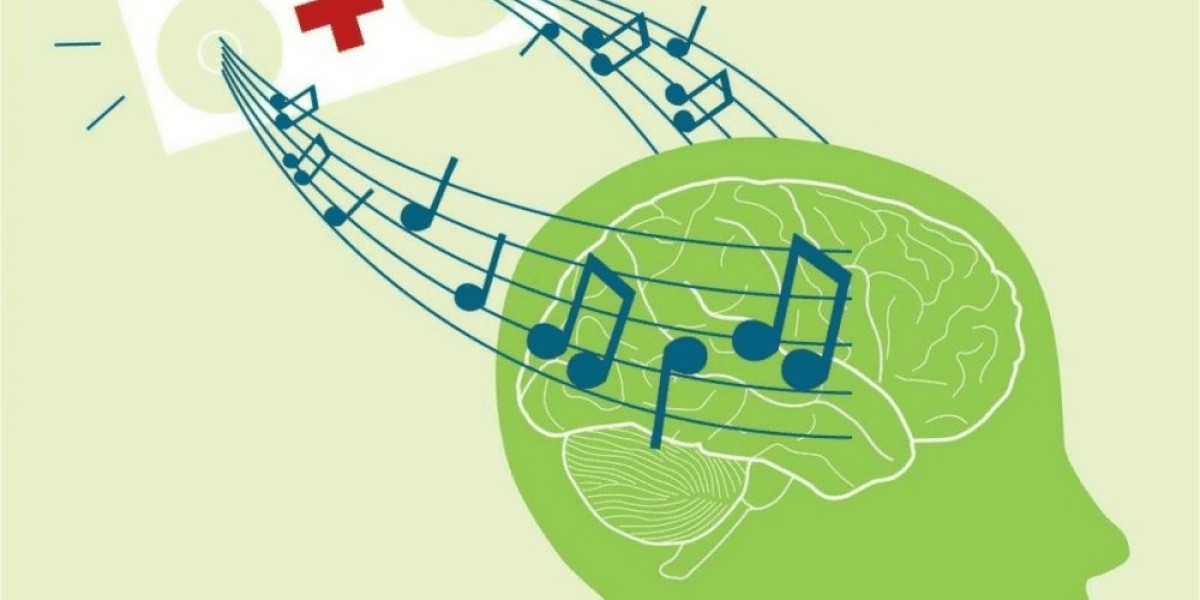
A 2015 study published in Advanced Biomedical Research tested whether music therapy could help autistic children develop better social skills—and the results offer hopeful insights for families.
What Did the Study Find?
Researchers worked with 27 autistic children (ages not specified) in Tehran who had mild-to-moderate autism. Half participated in 12 sessions of Orff-Schulwerk music therapy (a playful approach using rhythm, movement, and instruments), while the other half received no therapy. According to the study:
- After 6 weeks, the music therapy group showed significant improvement in social skills compared to the control group.
- These benefits lasted through follow-up testing weeks later, suggesting lasting effects.
Why This Matters for Autism Families
Social challenges are common in autism, and finding engaging therapies is key. Music therapy—unlike some rigid interventions—uses joy and creativity to build skills. This study adds evidence that structured musical play could help kids:
- Connect with others through shared rhythm/activities
- Practice turn-taking and nonverbal communication
- Generalize skills beyond therapy sessions
Practical Takeaways
While more research is needed, parents might consider:
- Asking therapists about incorporating music into sessions
- Trying simple rhythm games at home (clapping patterns, mirroring movements to songs)
- Seeking certified music therapists if available locally
Important Limitations
This was a small study (27 kids) in one cultural context. We don’t know:
- How long effects lasted beyond follow-up
- If results apply to nonverbal or older autistic individuals
- Exactly which social skills improved most
Still, it’s encouraging evidence for music as a tool—not a cure—to support social growth.
Original study: Ghasemtabar et al. (2015), Advanced Biomedical Research
Read the study: https://journals.lww.com/adbm/fulltext/2015/04000/music_therapy__an_effective_approach_in_improving.157.aspx