
Early Autism Signs and Therapies: What New Research Tells Parents
New research published in Children journal gives parents clearer information about early autism signs and which therapies show the most promise for young children. Here's what the study found and what it means for families.
What Did the Researchers Study?
The researchers looked at two important questions:
- What are the earliest signs that might suggest autism in toddlers and young children?
- Which therapies work best when started early?
Key Findings for Parents
Early Signs
The study confirmed that these may appear by 12-18 months:
- Less eye contact during feeding or play
- Not responding to their name consistently
- Delayed or unusual babbling/gestures
- Strong preference for routines
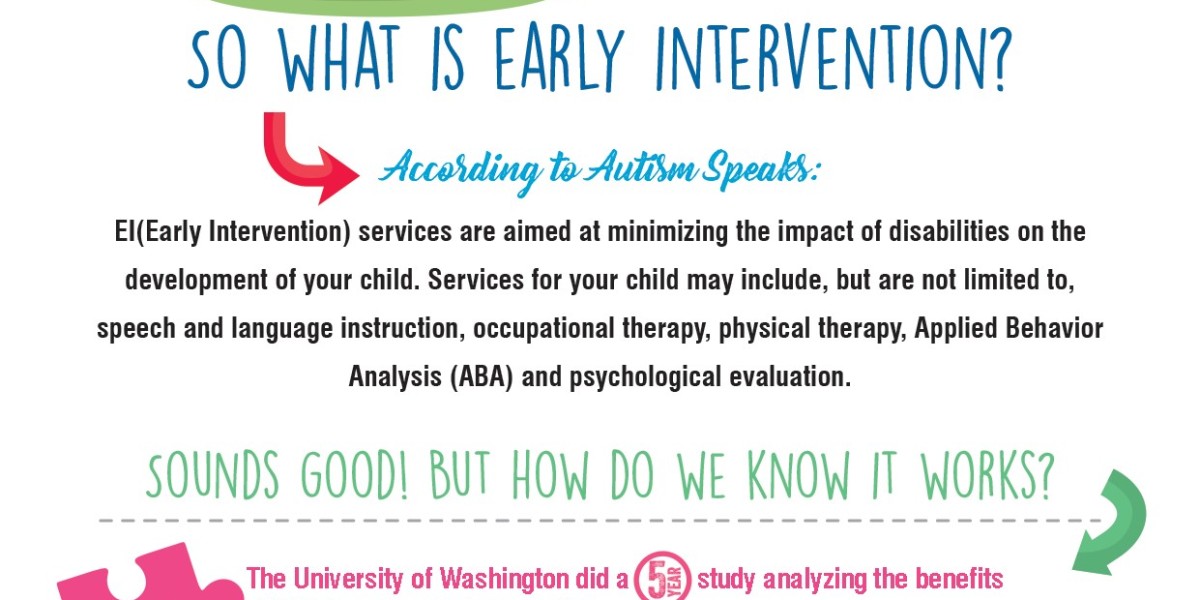
Effective Early Therapies
Research showed these approaches help when started young:
- Play-based therapies that build social interaction
- Parent coaching models where caregivers learn strategies
- Speech therapy focusing on communication (not just words)
Why This Matters for Autism Families
This research matters because:
- Earlier recognition means earlier support
- It confirms that parent involvement is crucial
- The focus is on practical, daily life skills
Practical Takeaways
Parents can:
- Observe social communication milestones
- Ask pediatricians about developmental screenings
- Look for therapists who involve parents in sessions
- Focus on play and interaction, not just "fixing" behaviors
Important Limitations
This was a review of existing studies (not new experiments), and:
- Every child's autism is different
- More research is needed on long-term outcomes
- Access to early therapies varies by location
The full study is available here: Autism Spectrum Disorder in Children: Early Signs and Therapeutic Interventions
Read the study: https://www.mdpi.com/2227-9067/11/11/1311