
Understanding Medication Options for Autism: What Parents Should Know
Parents often ask about medication options for autism spectrum disorder (ASD). A 2012 review paper published in Pharmacological Reports examined what we know - and don't know - about drug therapies for autism. Here's what families should understand.
What Did Researchers Study?
The researchers analyzed various approaches to treating autism symptoms, including both non-drug and drug therapies. They noted that autism involves complex factors like immune system differences, brain inflammation, and unusual neurotransmitter activity. While there's no "cure" for autism, some medications may help manage specific symptoms.
Key Findings About Autism Medications
According to the review:
- Certain medications like SSRIs (e.g., fluoxetine), tricyclic antidepressants (e.g., imipramine), and anticonvulsants (e.g., lamotrigine) may help with behavioral symptoms
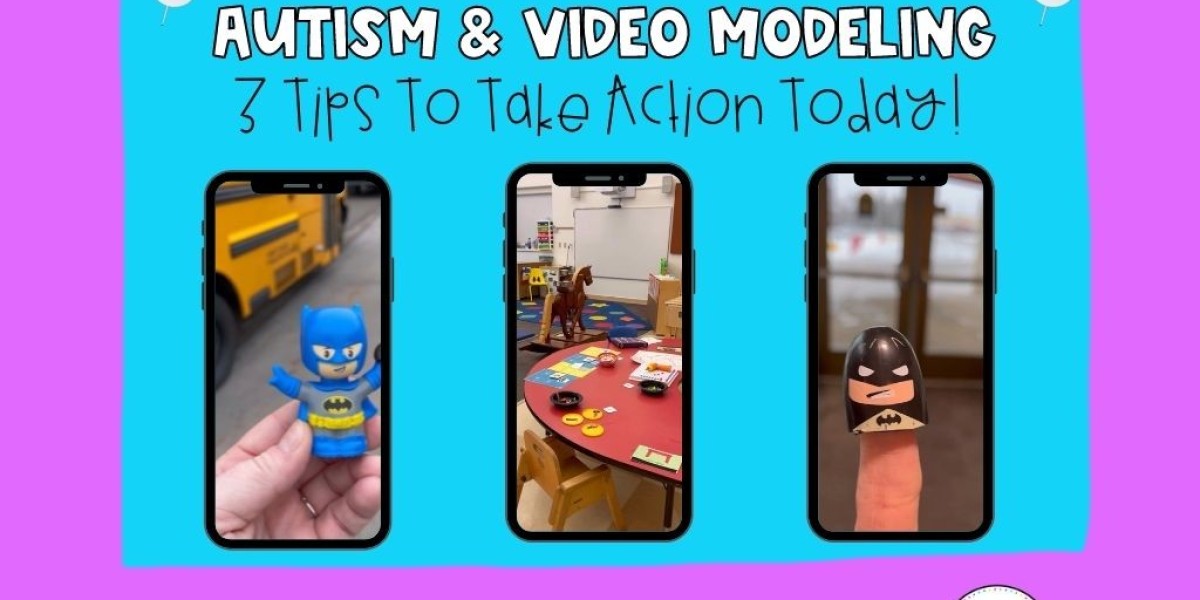
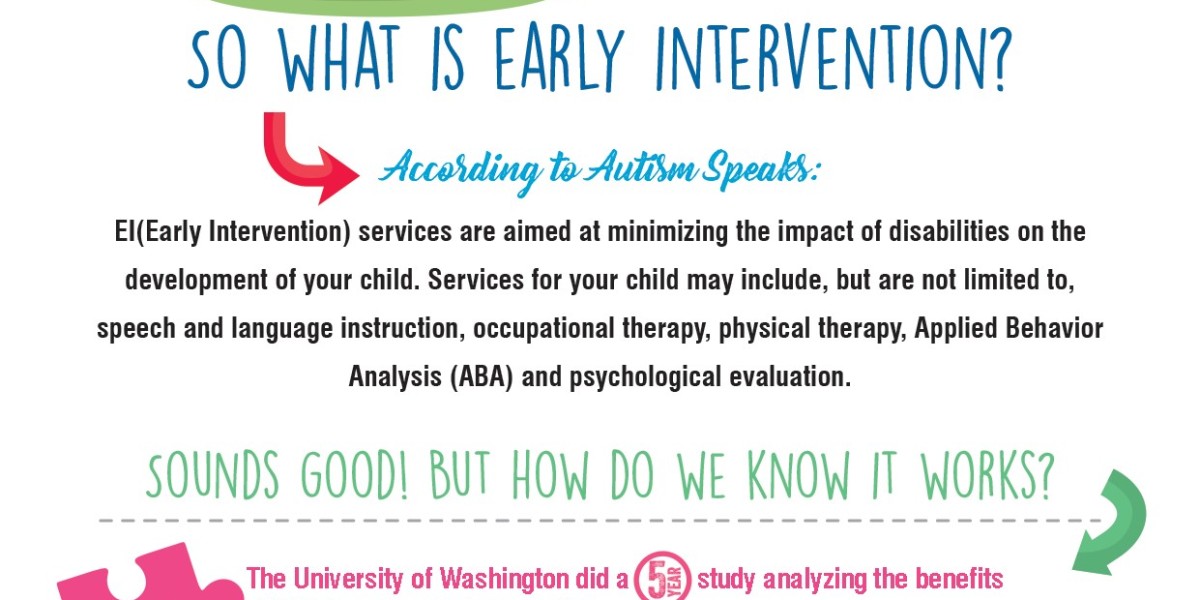
- Current treatments focus primarily on educational and behavioral therapies (speech therapy, sensory integration, etc.)
- Medications are sometimes used alongside these therapies to address specific challenges
Why This Matters for Families
This research helps parents understand that while medications aren't a standalone solution, they might be part of a comprehensive treatment plan for some children. The paper emphasizes that autism affects each person differently, so treatments must be personalized.
Practical Considerations
If considering medication:
- Work closely with doctors who understand autism
- Medications should complement (not replace) behavioral and educational therapies
- Effects vary greatly between individuals - what helps one child may not help another
Important Limitations
This was a review paper (not new research) from 2012. Autism treatment options continue to evolve. The authors note:
- There's no medication that "treats autism" - only medications that may help specific symptoms
- More research is needed to understand long-term effects and optimal use
As always, treatment decisions should be made with your child's healthcare team based on individual needs.
Original research paper: Drug therapy in autism: a present and future perspective (Published December 30, 2012)
Read the study: https://link.springer.com/article/10.1016/S1734-1140(12)70927-1