
How Improvised Music Therapy Helps Kids with Autism
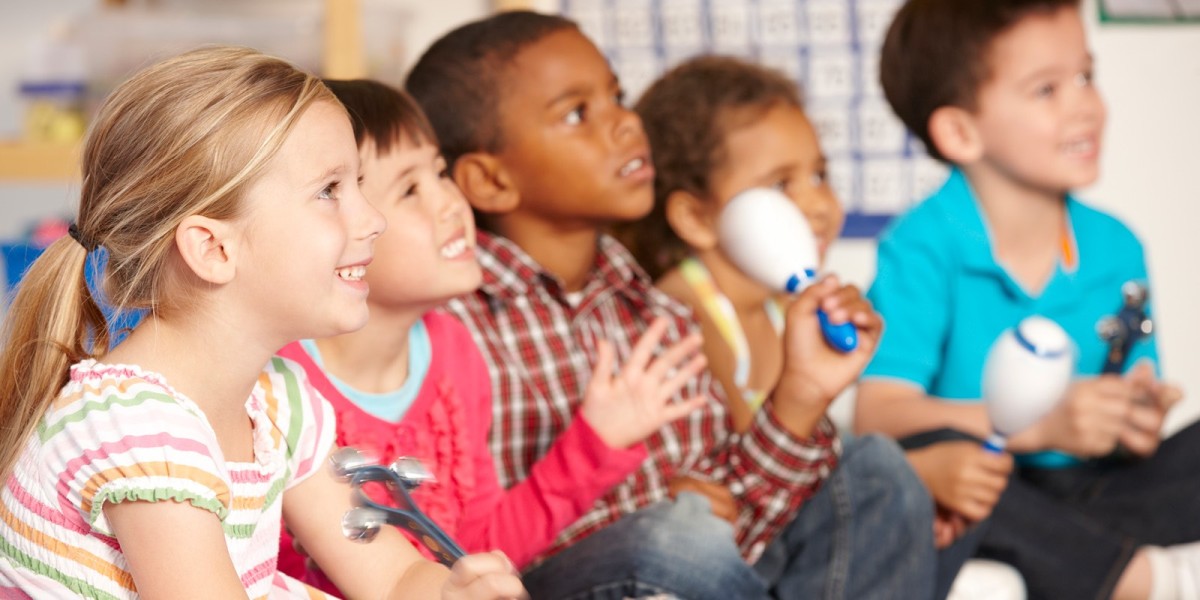
Music therapy is a popular intervention for children with autism, but what actually happens in those sessions? A recent study analyzed improvisational music therapy – where therapists and children make up music together in the moment – to identify what makes it effective.
What the Researchers Found
After reviewing sessions with autistic children, researchers found that therapists commonly:
- Mirror the child's sounds and movements to build connection
- Simplify musical elements (like using predictable rhythms)
- Follow the child's lead rather than directing the interaction
- Use music to name and validate emotions (e.g., matching a frustrated drum pattern)
Why This Matters for Autism Families
Many autistic children struggle with verbal communication but respond to musical interaction. This study shows how therapists adapt in real-time to a child's needs, which may explain why music therapy can help with:
- Nonverbal communication
- Emotional regulation
- Shared attention (focusing on the same activity together)
Practical Takeaways
If you're considering music therapy for your child:
- Look for a board-certified music therapist (MT-BC credential)
- Ask if they use child-led approaches (not just teaching songs)
- Notice if they mirror your child's sounds – this builds engagement
You can also try simple musical interactions at home, like echoing your child's vocalizations with matching pitches on a xylophone or drum.
A Note About the Research
This study analyzed existing therapy sessions rather than testing a new method. While it identifies promising techniques, more research is needed to compare outcomes across different approaches.
Read the original study here (technical language).
Read the study: https://academic.oup.com/jmt/article-abstract/52/2/258/898689