
Can Robots Help with Autism Therapy? What Parents Should Know
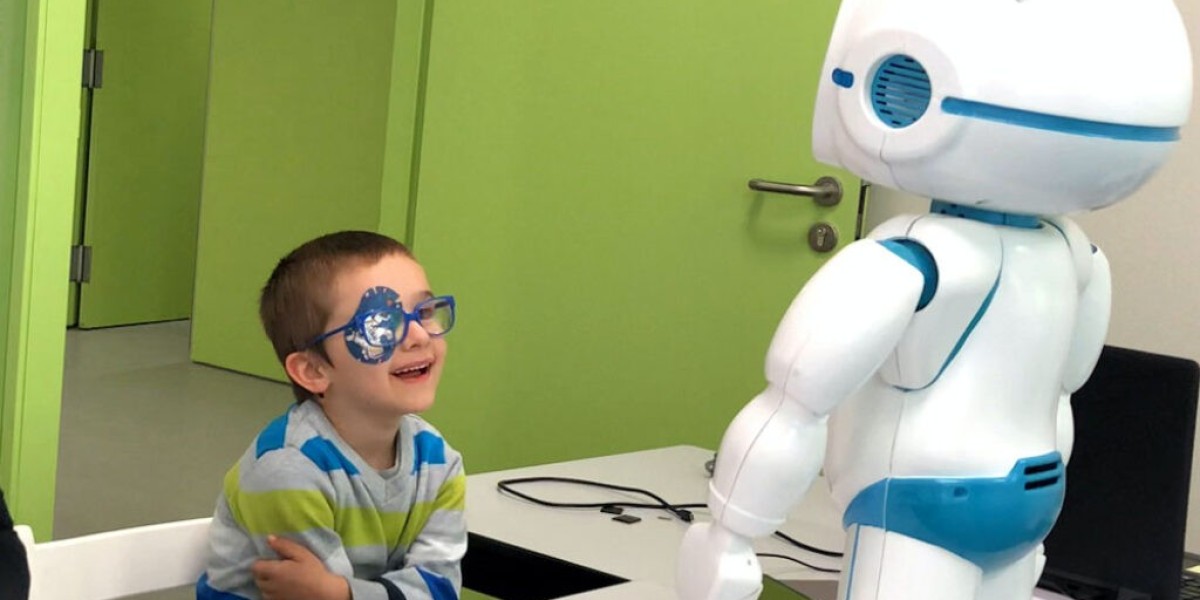
A growing area of autism research explores whether socially assistive robots could become useful tools in therapy sessions. While robots won't replace human therapists, studies suggest they may offer unique benefits for some autistic children.
What Did Researchers Study?
Multiple studies have tested how children with autism respond to robot-led activities compared to human-led ones. The robots used are typically:
- Simple in design (avoiding overwhelming features)
- Programmed for predictable, repetitive interactions
- Equipped with cameras/sensors to respond to a child's actions
Key Findings
Research suggests many (but not all) autistic children:
- Show increased attention during robot interactions compared to human-led activities
- May practice social skills (like turn-taking) more readily with robots
- Sometimes generalize skills learned with robots to human interactions later
Why This Matters for Autism Families
Robots aren't "better" than humans, but their predictability and simplicity can help some children:
- Feel less anxious than with unpredictable social demands
- Stay engaged in repetitive skill-building activities longer
- Practice without worrying about "getting it wrong" socially
Practical Considerations
While promising, robot therapy is still emerging and limited:
- Availability: Mostly in research labs or specialized clinics
- Cost: Often prohibitively expensive for home use
- Individual Fit: Some children show little interest or find robots stressful
If interested, ask therapists about tech-assisted interventions they may already use (tablet programs, etc.).
Important Limitations
This research is still early-stage:
- Small study sizes (often 10-30 children)
- Short-term observations (weeks vs. years)
- Varied robot designs make comparisons difficult
While robots may become one tool among many in autism support, they're not a standalone solution. The human connection remains irreplaceable.
Read the study: https://onlinelibrary.wiley.com/doi/abs/10.1002/aur.70338