
Understanding ABA Therapy for Autism: What Research Tells Us
If you're exploring autism therapies for your child, you've likely heard of Applied Behavior Analysis (ABA). A comprehensive research review examined what we know about ABA interventions – here's what parents should understand in plain language.
What Did Researchers Study?
Scientists analyzed decades of studies on ABA, which uses positive reinforcement to teach skills and reduce challenging behaviors. They looked at:
- Different types of ABA approaches (discrete trial training, pivotal response training, etc.)
- How well these methods work for various skills (communication, social interaction, daily living)
- The ideal amount and duration of therapy
Key Findings
The review found:
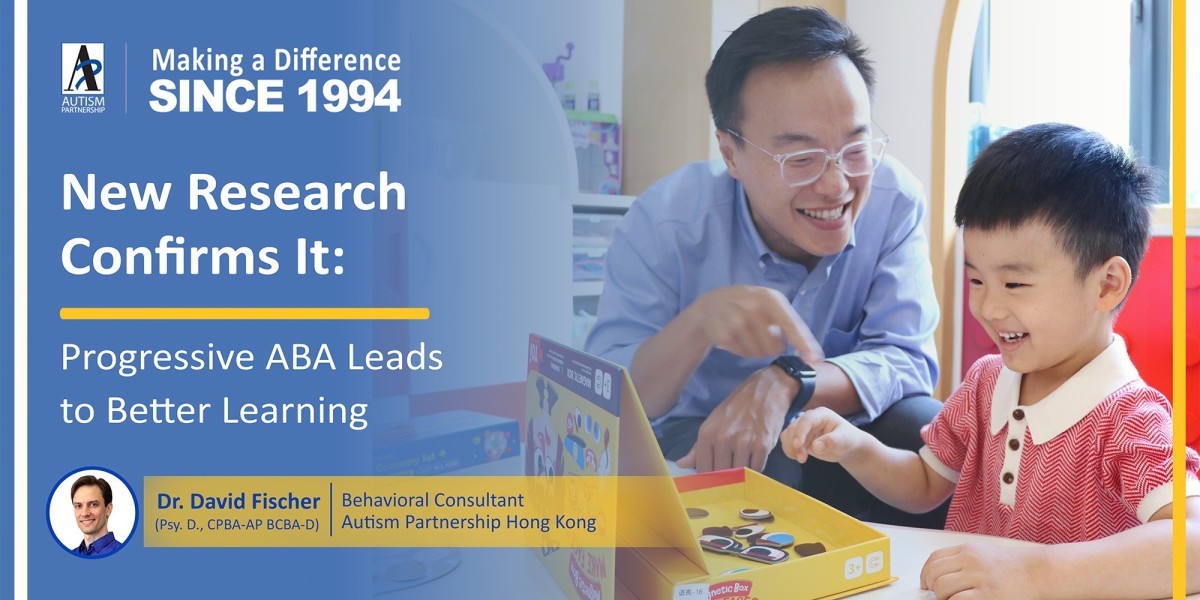
- ABA is most effective when started early (before age 5) and provided intensively (20-40 hours/week)
- It shows strongest results for improving IQ scores and basic skills like communication
- Social skills and real-world application of learned behaviors may need additional support
Why This Matters for Autism Families
This research helps parents:
- Understand what ABA can realistically achieve
- Make informed decisions about therapy hours and approaches
- Set appropriate expectations for different areas of development
Practical Takeaways
If considering ABA:
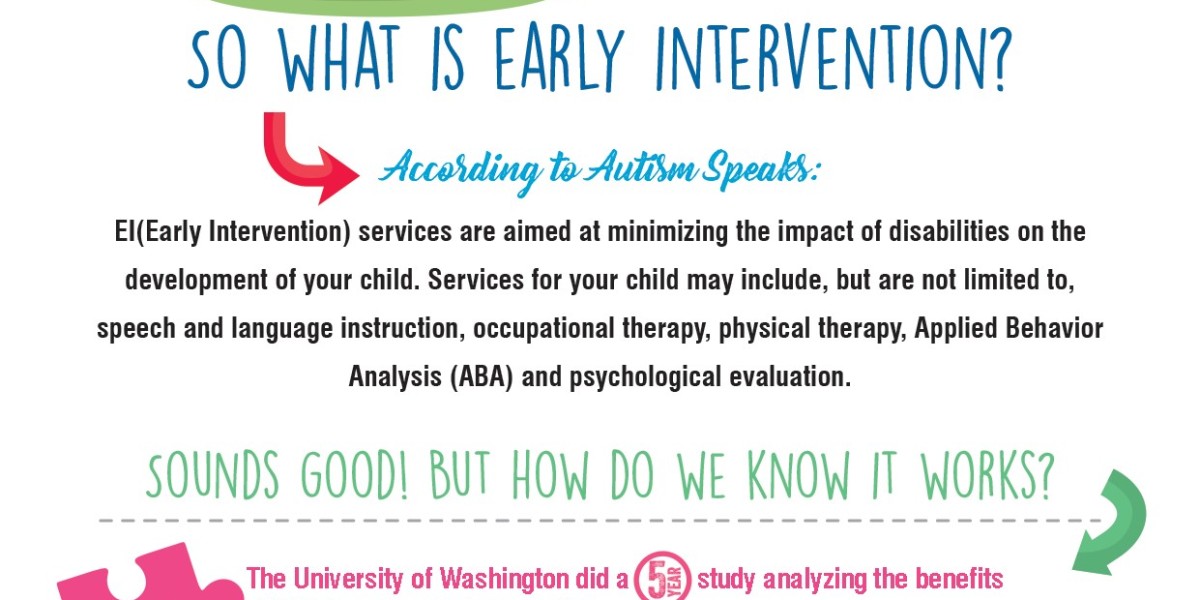
- Early intervention yields better outcomes
- Combine approaches – ABA plus social skills training may work better than ABA alone
- Track progress on specific goals, not just "hours completed"
Important Limitations
While promising, remember:
- Results vary significantly between children
- Most studies focus on young children – less evidence for older kids/teens
- Quality of therapists matters as much as the method itself
Every child is unique. ABA may be helpful for some but isn't the only option. Consult with professionals about what's right for your family.
Read the study: https://journals.sagepub.com/doi/abs/10.1177/104012370902100304