
Understanding Autism Service Barriers for Korean Immigrant Families
New research gives us important insights into why some Korean immigrant families struggle to access autism services – and what factors help them get support. Here's what parents should know about these findings.
What the Study Examined
Researchers worked closely with the Korean-American community to understand:
- What makes it hard for Korean immigrant families to access autism services (barriers)
- What helps these families connect with support (facilitators)
They interviewed 18 Korean immigrant parents of autistic children and 10 service providers in the community.
Key Findings
Major barriers included:
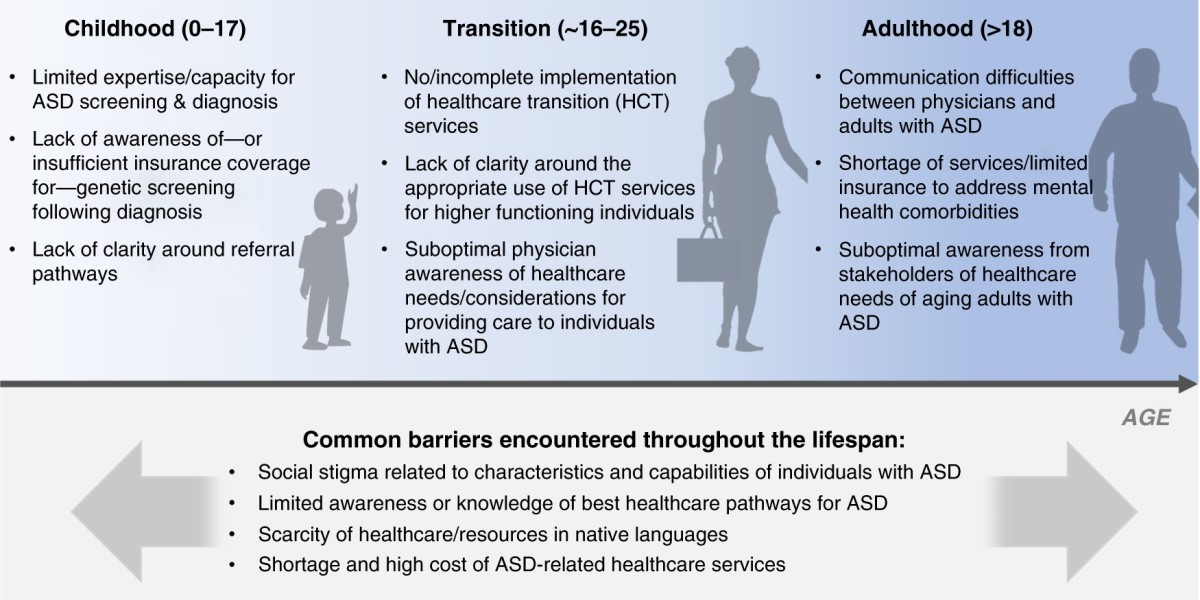
- Language difficulties: Lack of Korean-language resources and interpreters
- Cultural stigma: Shame about autism diagnosis in Korean culture
- System navigation: Complex healthcare/special education systems
- Financial stress: Cost of services and lost work time for appointments
Positive factors that helped families included:
- Community support: Other Korean parents sharing information
- Bilingual providers: Professionals who spoke Korean
- Faith communities: Churches providing acceptance and resources
Why This Matters
This research highlights how culture and immigration status affect autism care. Many service systems aren't designed with immigrant families' needs in mind. Recognizing these barriers is the first step toward creating more accessible support.
Practical Takeaways
For Korean immigrant families:
- Seek out parent support groups within your cultural community
- Ask providers about interpreter services – you have legal rights to them
- Connect with faith communities that may offer understanding
For service providers:
- Hire bilingual staff and create translated materials
- Partner with cultural community organizations
- Understand how stigma may delay families seeking help
Study Limitations
This was a small study focused on one immigrant community. More research is needed on other cultural groups. However, similar barriers likely exist for many immigrant families.
Read the study: https://journals.sagepub.com/doi/abs/10.1177/13623613211034067