
Can Robots Help Autistic Kids Build Social Skills? What One Small Study Found
Researchers explored whether small humanoid robots could help children with autism develop social interaction skills, according to a 2005 study published in Universal Access in the Information Society.
What the Study Did
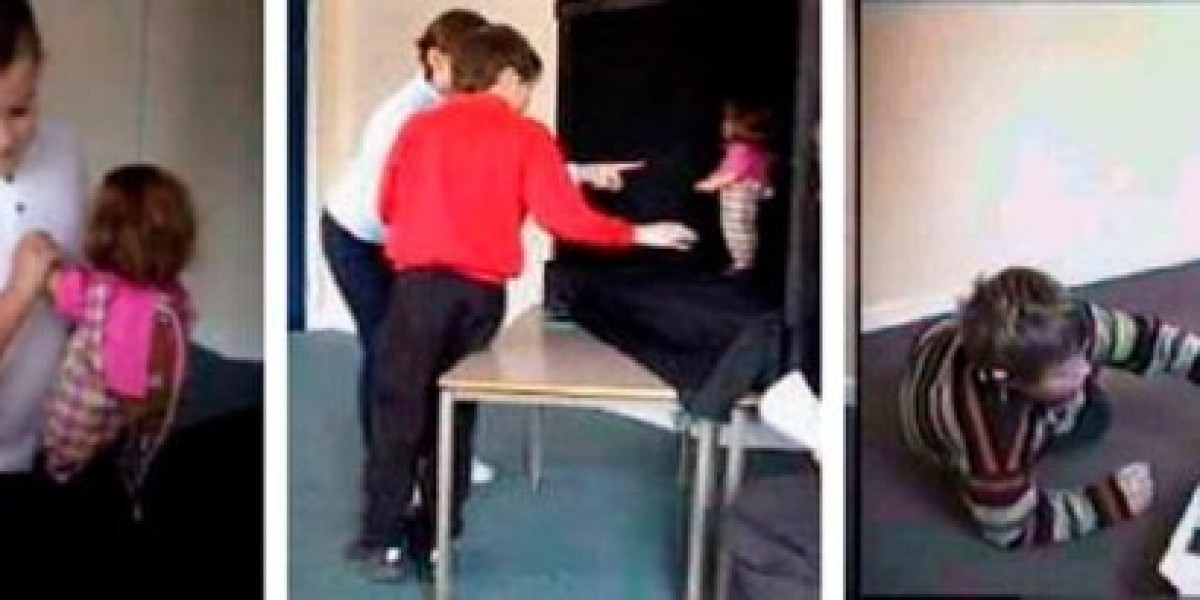
The team worked with four autistic children over several months, observing how they interacted with a humanoid robot. The researchers analyzed video recordings of these sessions to track changes in behavior.
What They Found
Two key findings emerged:
- The children showed increased duration of specific social behaviors in later sessions compared to earlier ones.
- Qualitative analysis revealed the children demonstrated social skills like imitation, turn-taking, and role-switching during interactions.
Why This Matters
This preliminary work suggests robots might serve as:
- A bridge to human social interaction
- A predictable, engaging tool for practicing skills
- Particularly helpful when given long-term exposure (not just brief sessions)
Important Limitations
Parents should know:
- The study involved only four children
- It was conducted in 2005 - robotics technology has advanced since
- This doesn't prove robots cause skill improvements, just shows potential
Practical Takeaways
While more research is needed, some families might consider:
- Asking therapists about robot-assisted therapy options
- Looking for programs that offer consistent, long-term interaction opportunities
- Observing if their child responds well to predictable, mechanical social partners
The researchers emphasize that long-term studies are crucial to fully understand robots' potential role in autism therapy.
Read the original study: Robotic assistants in therapy and education of children with autism (Published July 2005)
Read the study: https://link.springer.com/article/10.1007/s10209-005-0116-3