
Why Latino Children Often Wait Longer for Autism Help
A recent study published in Intellectual and Developmental Disabilities examined why Latino children with autism often receive later diagnoses and fewer therapy services than non-Latino white children. Researchers analyzed healthcare access patterns in Latino communities across multiple states.
What the Study Found
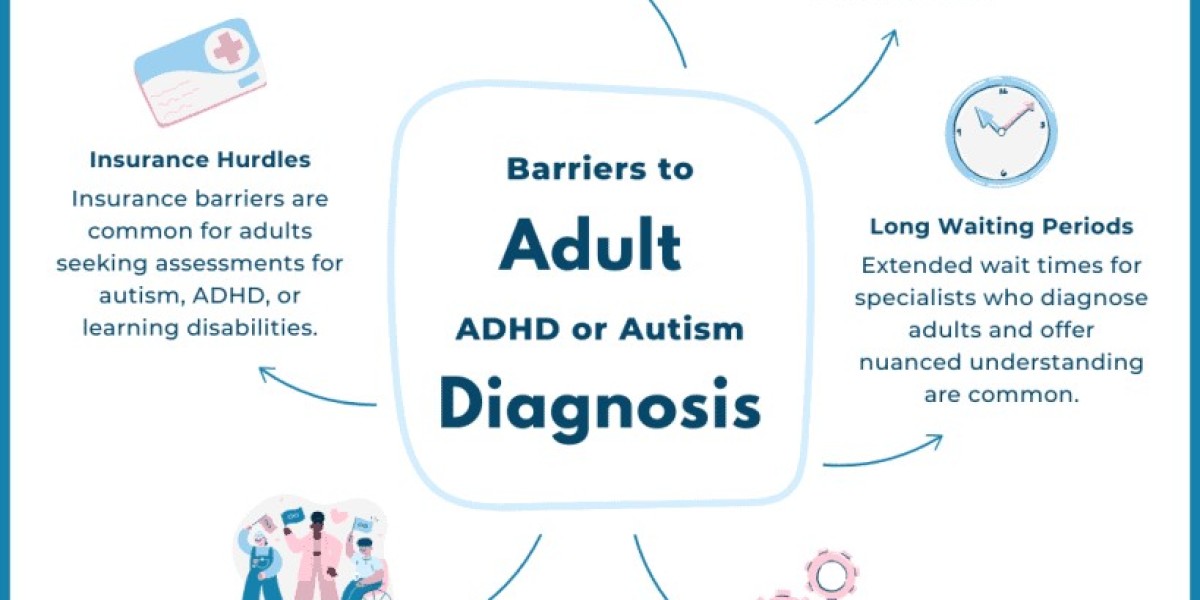
The research showed three key barriers:
- Language difficulties: Many providers lack Spanish-language resources or interpreters
- Cultural misunderstandings: Some autism behaviors may be interpreted differently in Latino cultures
- System navigation challenges: Complex healthcare/special education systems are harder to access without guidance
Why This Matters for Families
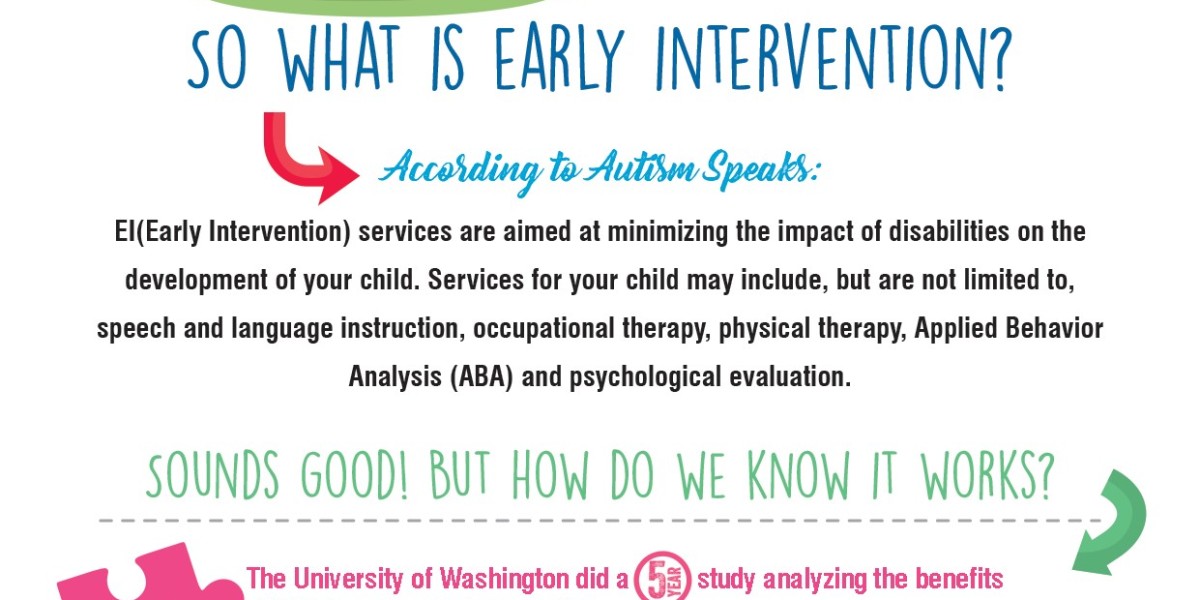
Early intervention leads to better outcomes, but this study found Latino children are often diagnosed 1-2 years later than white peers. Missed early therapy opportunities can affect long-term communication and learning skills.
Practical Steps Parents Can Take
If you're facing these challenges:
- Ask pediatricians for autism screening questionnaires in Spanish
- Contact local Parent Training and Information Centers (PTIs) for system navigation help
- Request interpreters at all medical/therapy appointments (required by law)
- Connect with cultural-specific autism organizations like Autism Speaks' Latino outreach
Important Limitations
This study surveyed families already connected to services - those without any services may face even greater barriers. More research is needed on rural communities.
Read the study: https://www.tandfonline.com/doi/abs/10.1352/1934-9556-51.3.141