
Understanding Autism Treatment Choices in the U.S.: What Parents Should Know
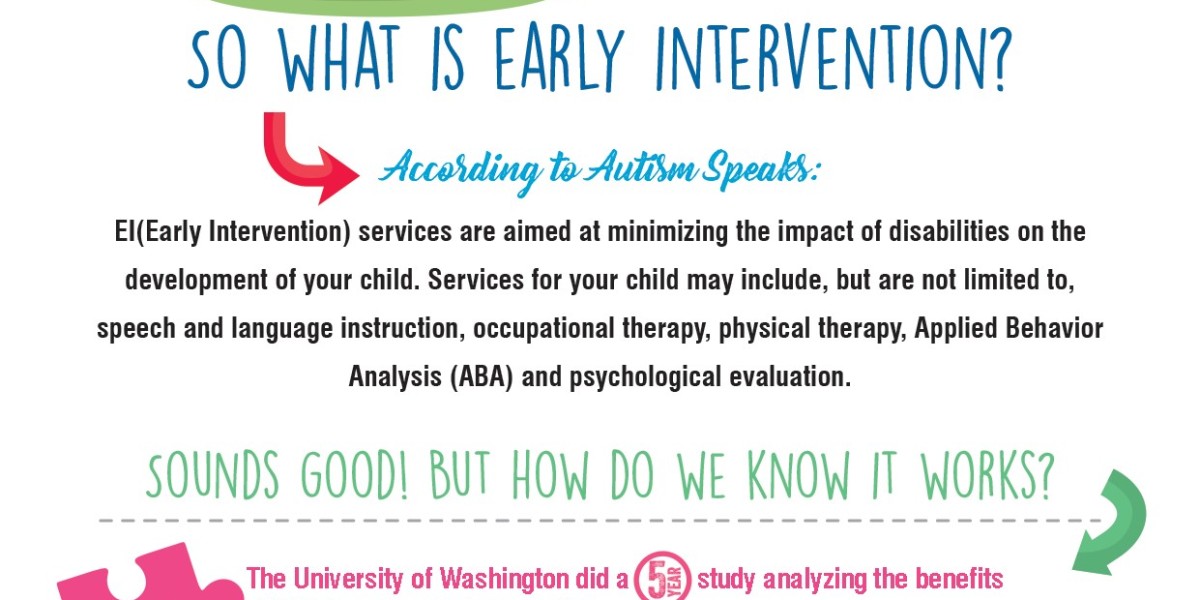
If you're parenting a child with autism, you've likely faced tough decisions about therapies and interventions. A recent study published in Autism Research examined treatment patterns for autistic children across the United States – and some findings might surprise you.
What Did the Researchers Study?
The team analyzed data from over 3,000 children with autism to identify:
- Which therapies are used most frequently
- How many hours per week kids typically receive treatment
- How factors like age, diagnosis severity, and family income affect treatment choices
Key Findings
The study revealed that:
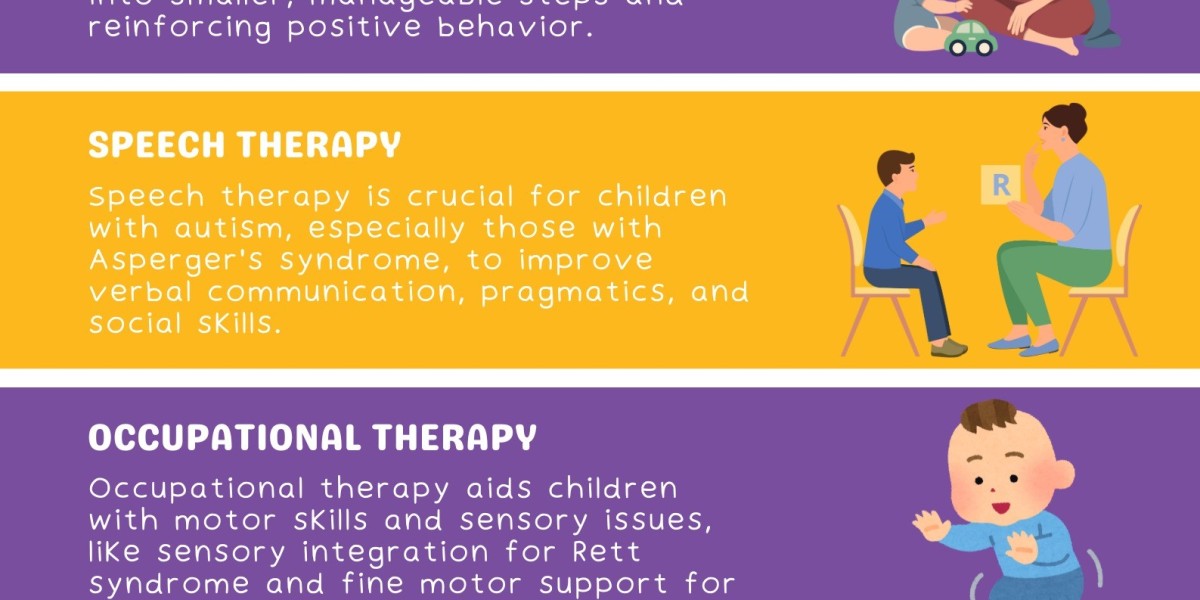
- Speech therapy was the most common intervention (used by 68% of children)
- Occupational therapy came second (used by 53%)
- Only about 1 in 3 children received ABA therapy, despite its frequent discussion
- Most children received multiple therapies simultaneously
- Treatment intensity varied widely, with some kids getting just 1-2 hours weekly and others receiving 20+ hours
Why This Matters for Autism Families
These patterns highlight that there's no single "standard" autism treatment approach in the U.S. The wide variation suggests that:
- Families and clinicians are tailoring approaches to individual needs
- Access to certain therapies may depend on location, insurance, or other factors
- The "right" treatment plan looks different for every child
Practical Takeaways
While this study doesn't evaluate which treatments work best, it offers useful context:
- You're not alone if you're combining multiple therapies – many families do
- Advocate for comprehensive assessments to identify which therapies might help your child most
- Consider your child's needs rather than feeling pressured to follow any one approach
Study Limitations
This research provides a snapshot, but has limitations:
- It shows what treatments are used, not how effective they are
- Data comes from parent reports, which may have some inaccuracies
- It doesn't capture newer or alternative therapies some families try
Every autism journey is unique. While studies like this help us understand broader patterns, your child's needs and your family's circumstances should guide your decisions.
Read the full research paper here (technical language warning).
Read the study: https://onlinelibrary.wiley.com/doi/abs/10.1002/aur.2070