
Understanding Autism Diagnosis: What Parents Should Know
Getting an autism diagnosis can feel overwhelming for parents. A recent research paper explains how professionals diagnose autism spectrum disorder (ASD) and why this process matters. Here's what families should understand in plain language.
How Do Professionals Diagnose Autism?
Researchers explain that autism diagnosis involves several steps:
- Developmental screening: Pediatricians check for early signs during regular checkups
- Comprehensive evaluation: Specialists (like developmental pediatricians or psychologists) do in-depth assessments
- Observation tools: Professionals use standardized tests like the ADOS (Autism Diagnostic Observation Schedule)
- Parent interviews: Your experiences and concerns are crucial to the process
Why Diagnosis Matters
The study emphasizes that getting an accurate diagnosis is important because:
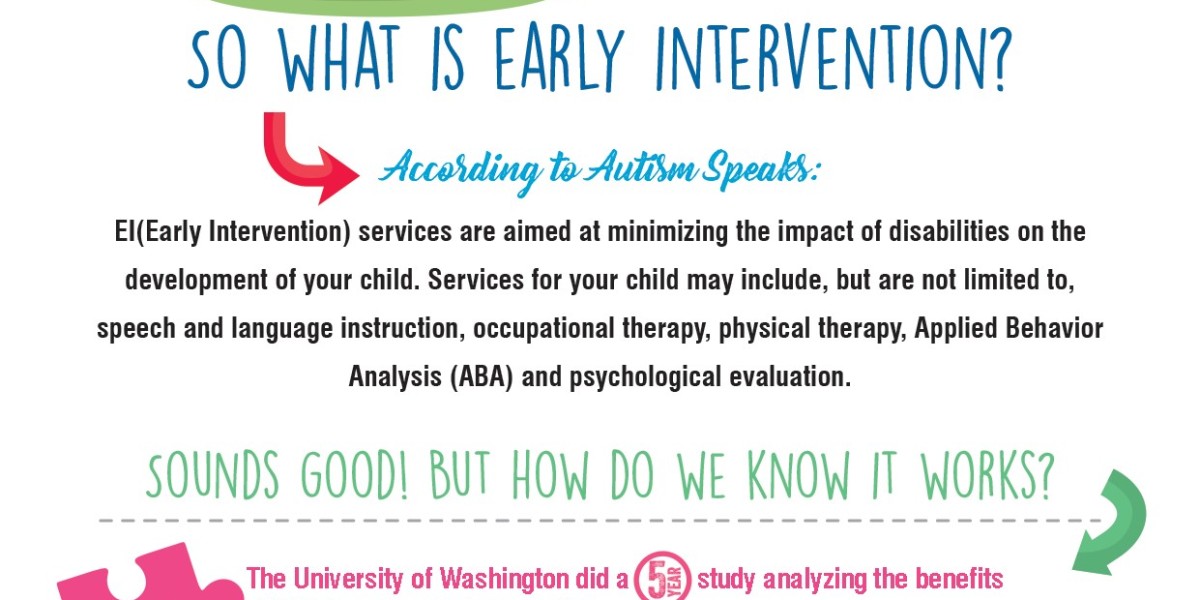
- It helps children access early intervention services
- It gives families a better understanding of their child's needs
- It guides schools in creating appropriate support plans
Practical Steps After Diagnosis
If your child receives an autism diagnosis, researchers suggest:
- Early intervention: Starting therapy as early as possible leads to better outcomes
- School support: Work with your school to develop an IEP (Individualized Education Program)
- Connect with community: Other autism families can offer valuable support
Important Limitations
Parents should know that:
- Diagnosis can be more challenging in very young children
- Girls sometimes show different symptoms than boys
- Autism looks different in every child
While the diagnostic process isn't perfect, it's the best tool we currently have to help children get the support they need.
For parents who want to read the full research paper: Diagnosing autism/autism spectrum disorders
Read the study: https://www.sciencedirect.com/science/article/pii/S1751722216301433