
What Science Says About Best Autism Treatments for Young Children
Researchers analyzed all available studies to determine which comprehensive autism treatments for young children (under age 6) have the strongest scientific evidence. Here's what parents should know.
What Did the Researchers Study?
The paper reviewed dozens of studies about different autism interventions for young children. The researchers looked specifically at comprehensive treatments - meaning programs that address multiple areas of development (communication, social skills, behavior, etc.) rather than focusing on just one skill.
What Treatments Have the Best Evidence?
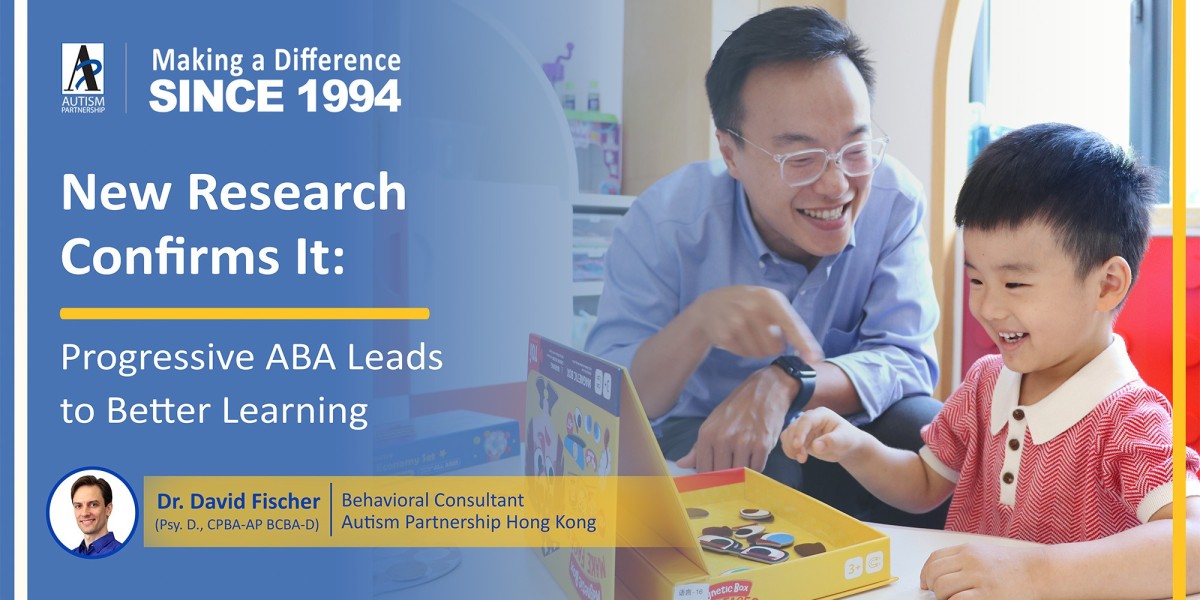
The review found that applied behavior analysis (ABA) has the strongest research support. Studies show ABA helps with:
- Improving communication skills
- Reducing challenging behaviors
- Increasing social interactions
- Building daily living skills
Some other approaches (like the Denver Model and TEACCH) showed promise but don't yet have as much research backing as ABA.
Why This Matters for Autism Families
Early childhood is a critical time for brain development. This research helps parents:
- Make informed decisions about interventions
- Focus time and resources on treatments most likely to help
- Ask better questions when evaluating therapy options
Practical Takeaways
If you have a young child with autism:
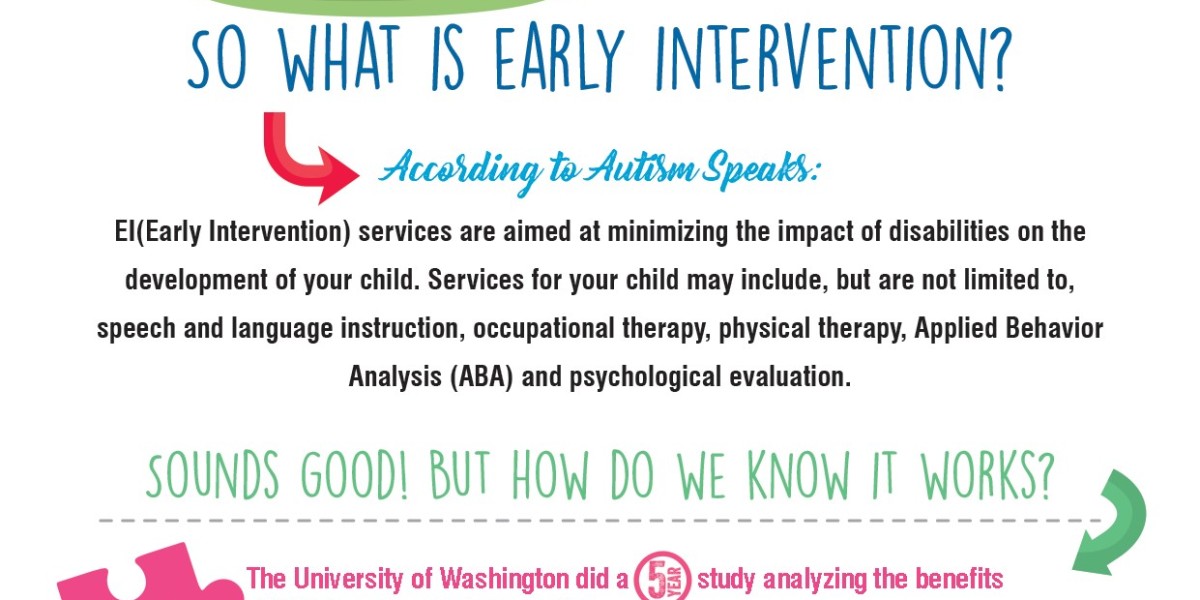
- Prioritize early intervention - starting before age 5 gives the best outcomes
- Look for ABA programs with experienced therapists
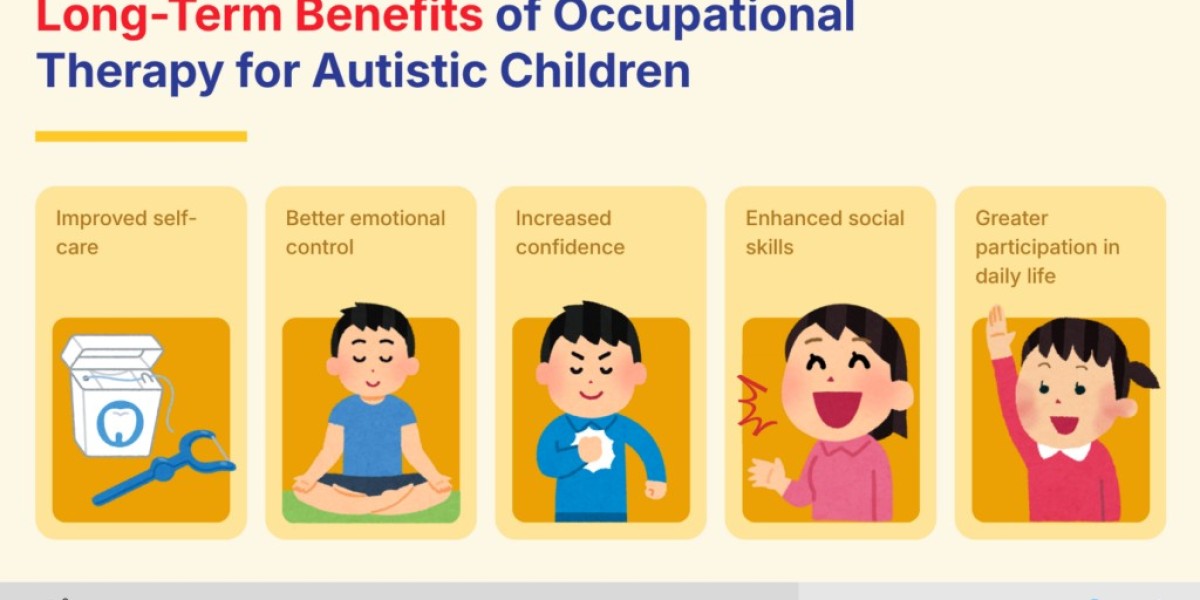
- Combine therapies as needed (speech, OT) with the core ABA program
- Track your child's progress with clear goals and data
Important Limitations
While this is helpful information, keep in mind:
- Every child responds differently to therapies
- ABA works best with 20-40 hours/week - which isn't feasible for all families
- Newer treatments may emerge that weren't included in this review
The most important thing is finding what works for YOUR child and family. Use this research as a starting point, not the final answer.
Read the study: https://www.tandfonline.com/doi/abs/10.1207/s15374424jccp2702_4