
Understanding the Past and Present of Autism Services for Young Children
If you're parenting a young child with autism today, you might wonder: How did we get to our current understanding of autism? What services exist now that didn't before? A recent research paper traces this important history so families can understand both the progress made and the challenges that remain.
What the Research Shows
Researchers analyzed the history of autism research and services for young children, identifying three key phases:
- The Early Years (1940s-1960s): Autism was poorly understood, often blamed on "refrigerator mothers," and few services existed beyond institutionalization.
- Growing Understanding (1970s-1990s): Research proved autism was neurological, not caused by parenting. Early intervention programs began developing.
- Current Era (2000s-present): Earlier diagnosis, evidence-based therapies, and legal protections have improved access to services, though gaps remain.
Why This Matters for Autism Families
Understanding this history helps parents appreciate how far we've come while recognizing ongoing needs:
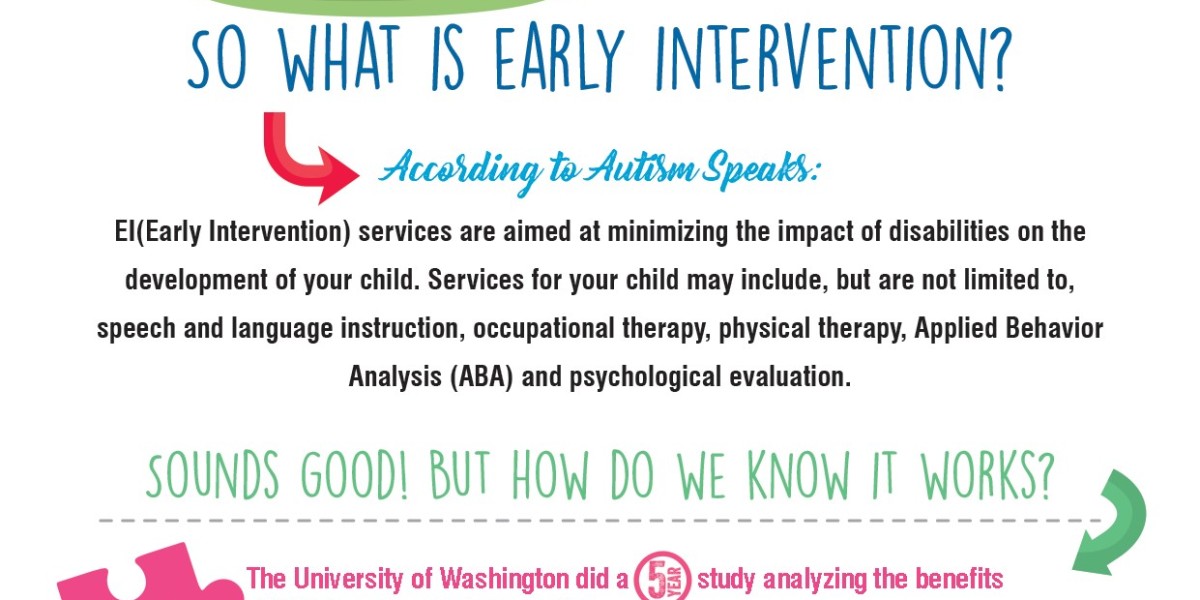
- Today's evidence-based interventions (like ABA therapy) exist because of past research
- Legal protections (like IDEA) resulted from advocacy by earlier generations of parents
- Despite progress, many families still face diagnosis delays, service shortages, or insurance battles
Practical Takeaways
While historical research doesn't offer direct "how-to" advice, it reminds us:
- Early intervention matters: Seek evaluation if you have concerns - we now know earlier support leads to better outcomes
- Advocacy creates change: Many current services exist because previous parents fought for them
- Stay informed: Research continues evolving how we understand and support autism
Limitations to Note
This paper summarizes existing research rather than presenting new data. It also focuses primarily on Western countries, where most autism research has occurred. Services and challenges may differ elsewhere.
For parents wanting to dive deeper, you can read the full research paper here: Autism research and services for young children: History, progress and challenges
Read the study: https://onlinelibrary.wiley.com/doi/abs/10.1111/jar.12021