
How Music Therapy Can Help Kids with Autism: What Research Shows
Many parents notice their autistic children respond strongly to music – whether it's calming down to a favorite song or lighting up during musical activities. But is there actual science behind using music as therapy? A study published in JAMA set out to answer this question.
What Did the Researchers Study?
The study involved 364 autistic children aged 4-7 across 9 countries. Half received standard autism therapies, while the other half received those same therapies plus music therapy sessions tailored to their needs. Therapists used music to encourage communication – like waiting for a child to make a sound before continuing a song – and to build social connections through musical games.
What Did They Find?
After 5 months, children who received music therapy showed:
- Greater improvement in social communication skills (like responding to their name or making eye contact)
- More progress in family quality-of-life measures (parents reported less stress about communication struggles)
Why This Matters for Autism Families
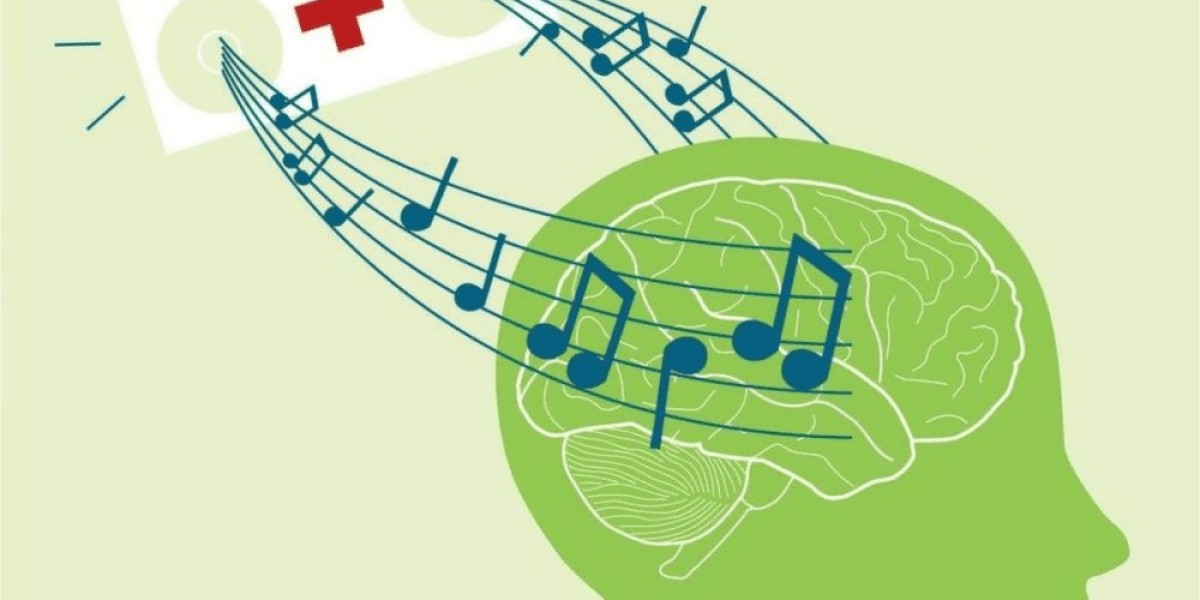
Music taps into different brain pathways than spoken language, which may explain why many autistic children who struggle with verbal communication still respond to musical rhythms and melodies. This study suggests music therapy isn't just "fun" – it's a legitimate tool that, when combined with other therapies, can help build crucial skills.
Practical Takeaways
You don't need formal training to incorporate some of these ideas:
- Turn routines into songs: Sing instructions ("Time to brush your teeth!") – many kids respond better to melodic cues.
- Use music for transitions: Play the same calming song before bedtime to signal the routine.
- Pause and wait: Like the therapists did, leave gaps in familiar songs to encourage vocalizations.
Important Limitations
While promising, this isn't a magic solution:
- Effects were modest – music therapy added to other therapies, but didn't replace them.
- Results varied widely between children.
- The study only looked at short-term effects (5 months).
If you're interested in formal music therapy, look for a board-certified therapist (credentials: MT-BC) who has autism experience. Many schools and clinics now offer these services.
Want to dive deeper? Read the full study here.
Read the study: https://jamanetwork.com/journals/jama/article-abstract/2647854