
Robots Helping Kids with Autism: What Science Tells Us
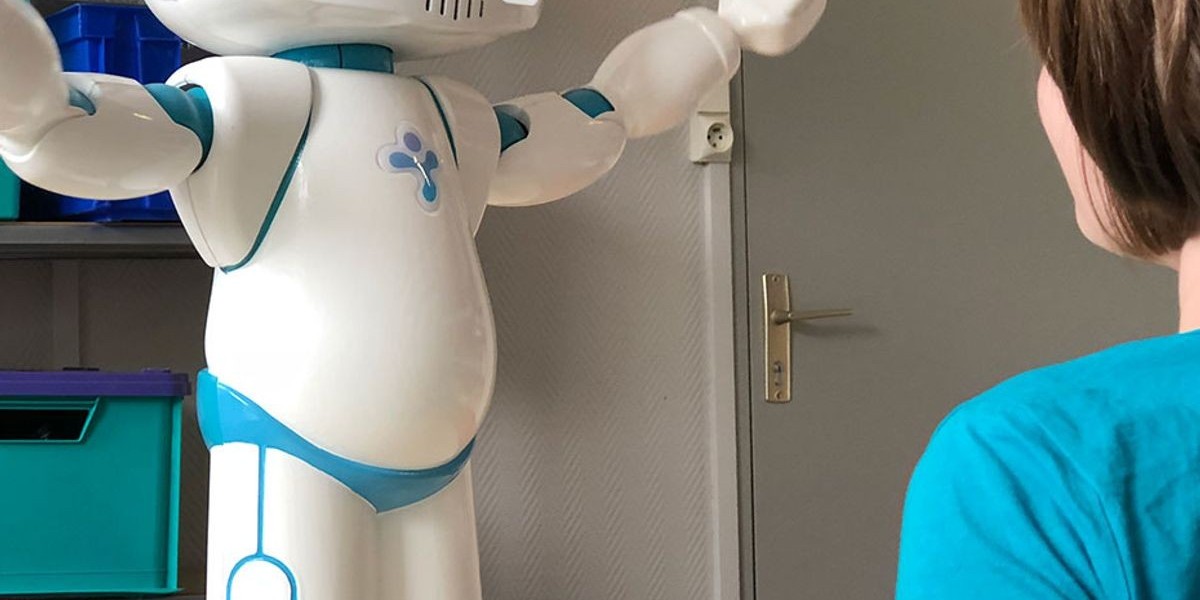
Researchers recently analyzed all the existing studies about robot-assisted therapy for children with autism. They looked at whether interacting with robots helps kids develop social communication skills. Here's what parents should know.
What Did the Study Find?
The review examined 35 different research projects involving robots designed to:
- Teach turn-taking and conversation skills
- Help with recognizing emotions
- Practice maintaining eye contact
- Learn through play activities
Most studies found that children with autism:
- Were highly engaged with robot interactions
- Showed improved social behaviors during sessions
- Often generalized some skills to human interactions
Why This Matters for Autism Families
Many children with autism find robots less overwhelming than human therapists because:
- Robots have predictable, simplified facial expressions
- They can repeat actions exactly the same way every time
- Interactions can be adjusted to each child's comfort level
Practical Considerations
If you're interested in robot therapy:
- Ask therapists if they incorporate robotics in sessions
- Look for programs where skills transfer to human interactions
- Start simple - even toy robots can provide structured social practice
- Combine approaches - robots work best as part of a broader therapy plan
Important Limitations
Parents should know:
- Most studies had small numbers of participants
- Long-term benefits aren't fully proven yet
- High-quality therapy robots are expensive and not widely available
- Not all children respond equally well to this approach
The research suggests robot therapy shows promise, especially for making social learning more engaging. As the technology improves and becomes more accessible, it may become a more common therapy tool.
You can read the full research review here: Systematic Review of Robot-Assisted Therapy for Autism
Read the study: https://www.mdpi.com/1424-8220/22/3/944