
Can CBT Help Anxious Kids with Autism? What Research Tells Us
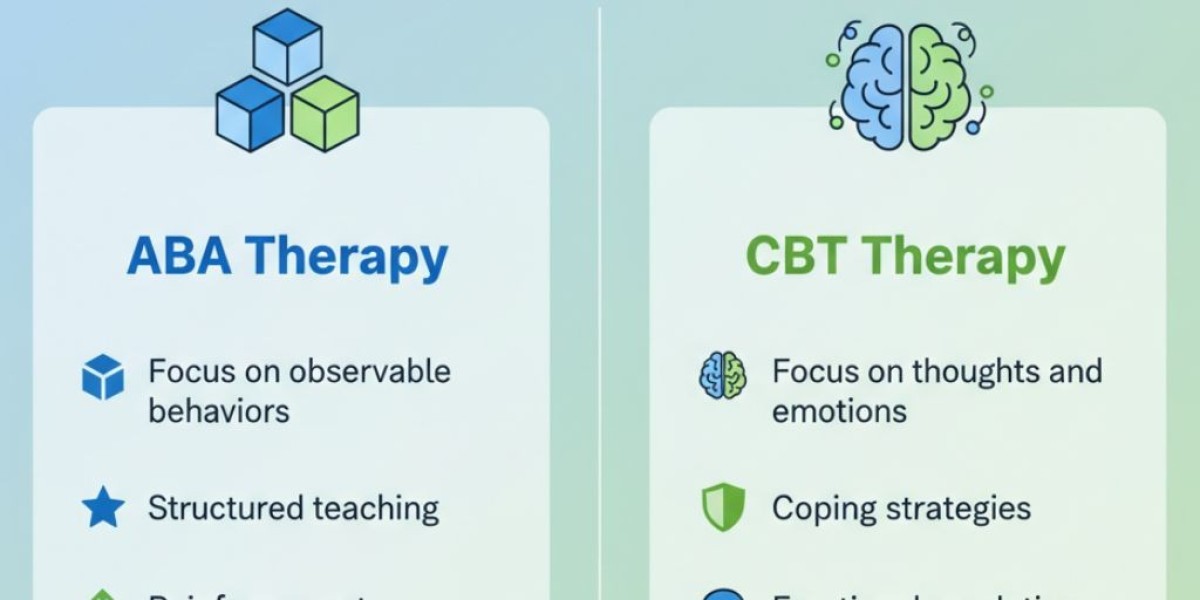
Many children with high-functioning autism struggle with anxiety. A research review looked at whether cognitive-behavioral therapy (CBT) could help. Here's what parents should know:
What Did the Study Find?
Researchers analyzed results from multiple studies testing CBT for anxiety in children with autism (without intellectual disability). Overall, they found:
- CBT significantly reduced anxiety symptoms compared to no treatment
- Improvements were seen across different types of anxiety (social, separation, generalized)
- Benefits were maintained for several months after treatment ended
Why This Matters for Autism Families
Anxiety affects 40-50% of children with autism - much higher than typical kids. Untreated anxiety can worsen autism symptoms and make daily life harder. This review suggests CBT is a promising option that:
- Addresses anxiety directly (unlike medications that may only help symptoms)
- Teaches practical coping skills children can keep using
- May improve school performance and social interactions
Practical Takeaways
If your child has autism and anxiety:
- Ask about CBT: Look for therapists trained in both CBT and autism adaptations
- Expect 12-16 sessions: Most studies used this timeframe
- Prepare for homework: CBT involves practicing skills between sessions
- Consider group programs: Some studies found these worked well for social anxiety
Important Limitations
While promising, keep in mind:
- Studies mostly involved verbal children ages 7-14 with average/high IQ
- Not all children responded - some improved more than others
- Therapists often modified standard CBT for autism needs
- More research is needed on long-term effects
The bottom line? CBT appears helpful for many autistic children with anxiety, but isn't a one-size-fits-all solution. View the original research to learn more.
Read the study: https://publications.aap.org/pediatrics/article-abstract/132/5/e1341/31765