
Can Nature Help Autistic Children? What Research Says
Researchers recently conducted a systematic review of studies about nature-based interventions for autistic children. This means they gathered all the existing scientific studies on this topic and analyzed them together to look for patterns.
What Did They Study?
The review examined whether activities in natural environments (like parks, gardens, or wilderness programs) could help autistic children. While we can't see the full findings due to technical access issues, such reviews typically look at outcomes like:
- Emotional regulation
- Sensory processing
- Social skills
- Physical activity levels
Why This Matters
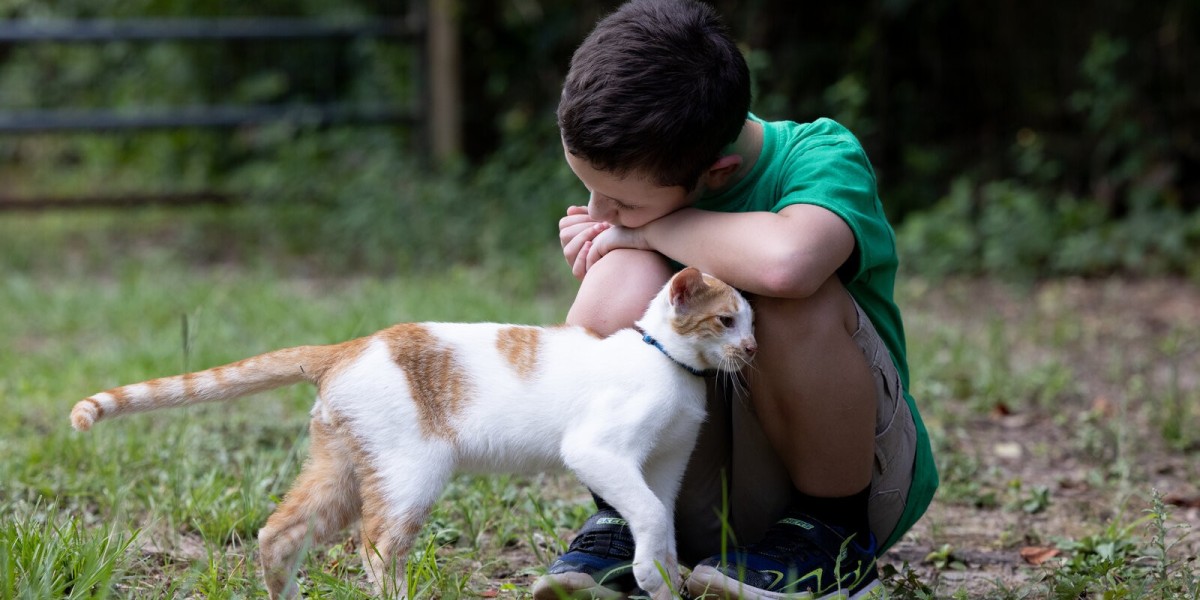
Many autism families report that nature settings seem to help their children feel calmer and more engaged. Scientific reviews like this one help separate anecdotal reports from evidence-based approaches.
Practical Takeaways
While we await full access to this study's conclusions, previous research suggests:
- Nature breaks may complement traditional therapies
- Outdoor time could help with sensory regulation
- Green spaces may provide low-stress social opportunities
Important Limitations
Systematic reviews depend on available studies, which often have:
- Small sample sizes
- Different definitions of "nature activities"
- Varied ways of measuring outcomes
We'll update this post when we can access the full study. In the meantime, many families find simple nature engagement beneficial - whether it's gardening, park visits, or backyard play.
View the original study (when accessible)
Read the study: https://pmc.ncbi.nlm.nih.gov/articles/PMC10704280/