
Can Parent-Child Interaction Therapy Help with Autism Behaviors? What One Study Found
Many autistic children struggle with disruptive behaviors like defiance or aggression. A 2016 study published in the Journal of Child and Family Studies explored whether Parent-Child Interaction Therapy (PCIT) – a therapy usually used with neurotypical kids – could help autistic children and their parents.
What Did the Researchers Do?
The study worked with three autistic children who had behavioral challenges. Parents learned PCIT techniques, which focus on:
- Increasing child compliance through positive reinforcement
- Reducing problem behaviors with consistent strategies
- Improving parent-child communication
What Did They Find?
According to the researchers:
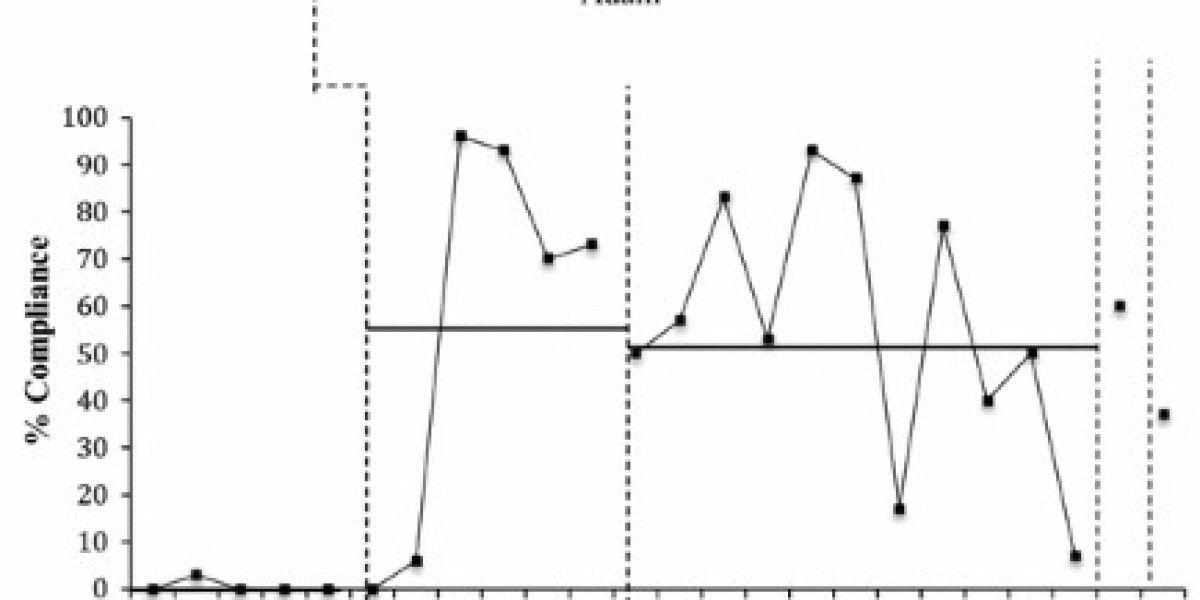
- Children showed better compliance with parent requests
- Disruptive behaviors decreased
- Parents reported high satisfaction with the therapy
Why This Matters for Autism Families
Behavioral challenges can strain family life. This small study suggests PCIT might be a helpful option for some autistic children – especially those with co-occurring behavioral issues. Importantly, parents felt the strategies were useful.
Important Limitations
This was a very small study (only 3 children) using a preliminary research design. While promising, more research is needed to know how well PCIT works for broader autism populations.
Practical Takeaways
If your child struggles with behavior:
- PCIT might be worth discussing with your therapist
- Focus on consistent positive reinforcement and clear communication (core PCIT principles)
- Ask providers about autism-adapted PCIT programs
Read the full study here: Examining the Efficacy of Parent–Child Interaction Therapy with Children on the Autism Spectrum (Published April 30, 2016)
Read the study: https://link.springer.com/article/10.1007/s10826-016-0424-7