
Understanding Autism: Key Facts and Support Strategies for Families
Autism spectrum disorder (ASD) is a complex and diverse condition that affects brain development, with unique challenges and strengths for each individual. According to the World Health Organization (WHO), about 1 in 127 people had autism in 2021. While some autistic individuals live independently, others may need lifelong support. Early detection is possible, but diagnosis often comes later in life.
Why This Matters for Autism Families
Autism presents differently in every person, influencing social interaction, communication, and behavior. Some individuals may struggle with transitions or sensory sensitivities, while others excel in focused tasks. Families often face significant caregiving demands, and societal attitudes play a crucial role in shaping opportunities for education, employment, and inclusion.
Key Takeaways for Parents and Caregivers
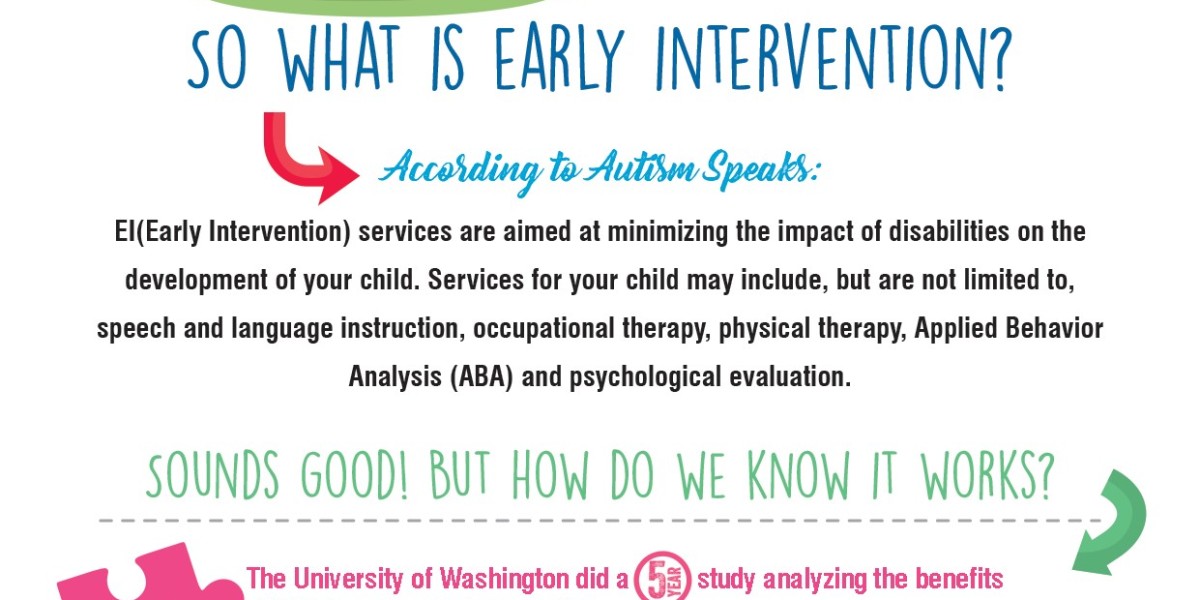
- Early Intervention Helps: Evidence-based psychosocial interventions can improve communication and social skills, enhancing well-being for autistic individuals and their families.
- Advocate for Support: Push for community and societal changes that promote accessibility and inclusivity, as these greatly impact quality of life.
- Monitor Co-Occurring Conditions: Many autistic individuals experience additional challenges like epilepsy, anxiety, or ADHD—stay informed and seek appropriate care.
Next Steps
If you suspect your child may be autistic, consult a healthcare professional for an evaluation. Connect with local autism support groups to share experiences and resources. Most importantly, celebrate your child’s unique strengths while advocating for the support they deserve.
Source: World Health Organization (WHO)
Source: www.who.int