
Autism Diagnosis Gaps: What Parents Should Know About Global Differences
A recent medical review compared how autism spectrum disorder (ASD) is identified and treated in the United States versus other countries. Here's what parents should understand about these findings.
What the Researchers Found
The paper notes that ASD diagnosis rates have risen sharply in the U.S. (currently ~1 in 31 children) due to:
- Better awareness of autism signs
- Widespread early screening programs
- Earlier access to interventions
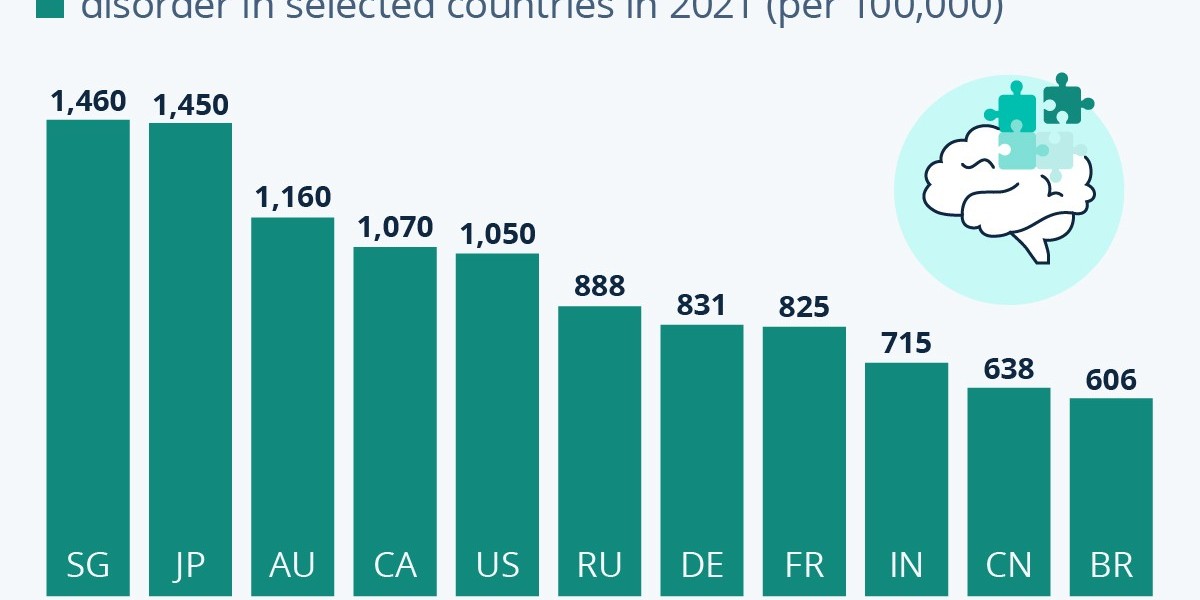
However, the review highlights that many developing countries still struggle with underdiagnosis and limited services due to different healthcare systems and resources.
Why This Matters for Autism Families
These global differences mean:
- Where a child lives significantly impacts when/if they're diagnosed
- Access to therapies varies dramatically worldwide
- U.S. families may have earlier intervention opportunities than those elsewhere
Practical Takeaways
For parents in the U.S.:
- Take advantage of early screening programs (like pediatrician questionnaires)
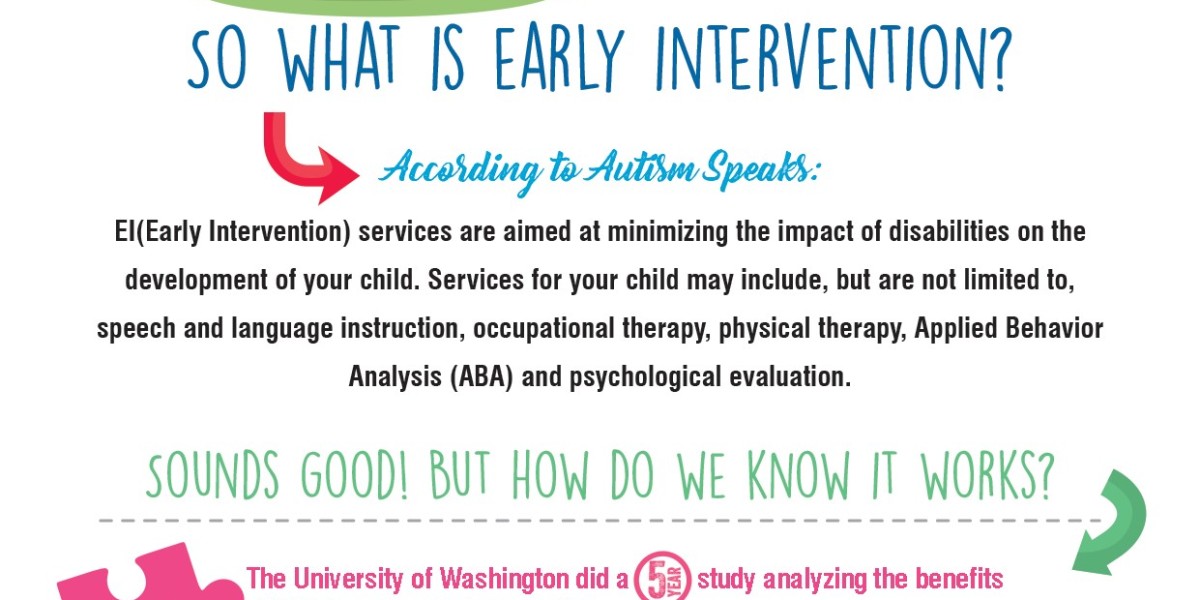
- Ask about early intervention services if concerns arise
For international families:
- Be aware that diagnostic criteria may differ in your country
- Advocate for your child if you suspect developmental differences
Important Limitations
This was a narrative review (not new original research) that summarized existing data. The 1 in 31 U.S. statistic reflects current estimates but may change with further study.
Read the full review here: Bridging the gap: autism spectrum disorder in children in the United States and worldwide (Published October 2025)
Read the study: https://pmc.ncbi.nlm.nih.gov/articles/PMC12590054/