
Sensory-Based Therapies for Autism: What the Research Says
Many autistic children experience differences in how they process sensory information (like sounds, textures, or movement). A new research review analyzed whether therapies targeting these sensory differences help children with autism. Here's what parents should know.
What Did Researchers Study?
The team reviewed 26 studies about sensory-based therapies, including:
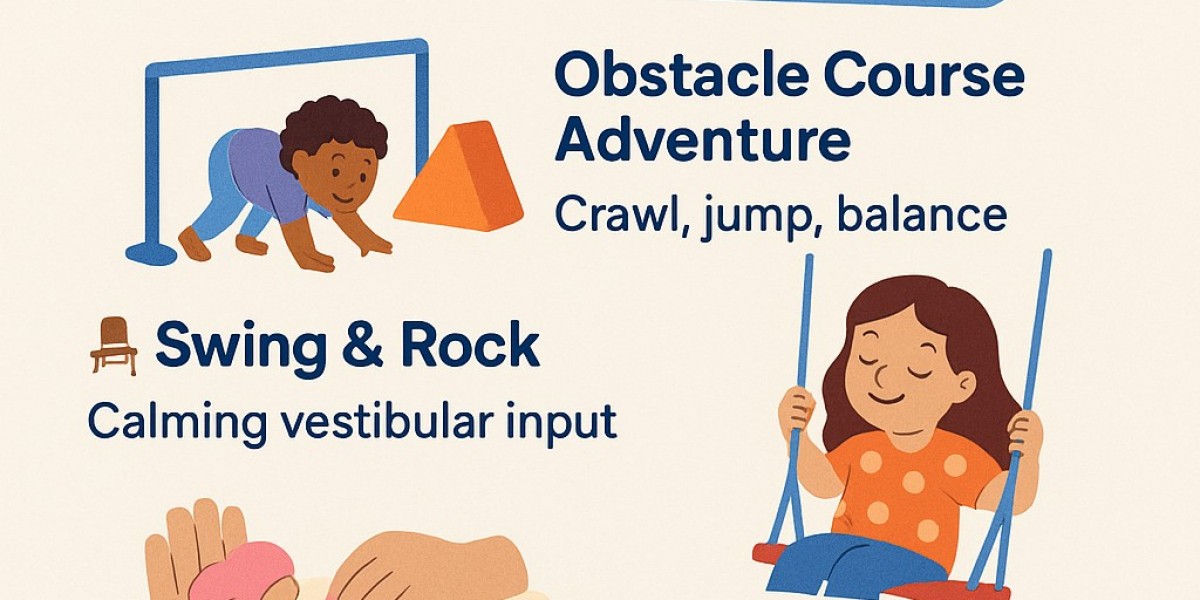
- Sensory Integration Therapy (OT-led sessions with swings, tactile play)
- Sensory-Based Interventions (tailored sensory activities)
- Environmental modifications (like noise-reducing headphones)
Key Findings
The review found moderate evidence that these approaches may help with:
- Reducing sensory-related distress
- Improving daily functioning (like dressing or mealtime)
- Increasing engagement during activities
However, results were mixed for improving social communication or cognitive skills.
Why This Matters for Autism Families
Sensory challenges can affect learning, behavior, and quality of life. This review suggests that addressing sensory needs could make daily routines easier for some children.
Practical Takeaways
If your child has sensory sensitivities:
- Work with an OT: They can identify specific sensory needs
- Try small changes first: Like offering fidget tools or creating a calm-down space
- Track what works: Responses vary widely—keep notes on your child's reactions
Important Limitations
This wasn't a "one size fits all" finding. Studies varied in quality, and some had small sample sizes. More research is needed to understand which children benefit most.
Bottom line: Sensory approaches may be helpful as part of a broader support plan, but they're not a standalone "cure" for autism.
Read the full research review here (technical language).
Read the study: https://www.mdpi.com/2227-9067/11/10/1222