
Understanding Autism Spectrum Disorder: A Plain-Language Guide for Parents
If your child has been diagnosed with autism spectrum disorder (ASD) or you suspect they might be autistic, you likely have many questions. This post breaks down the basics of ASD based on information from the National Institutes of Health (NIH).
What is Autism Spectrum Disorder?
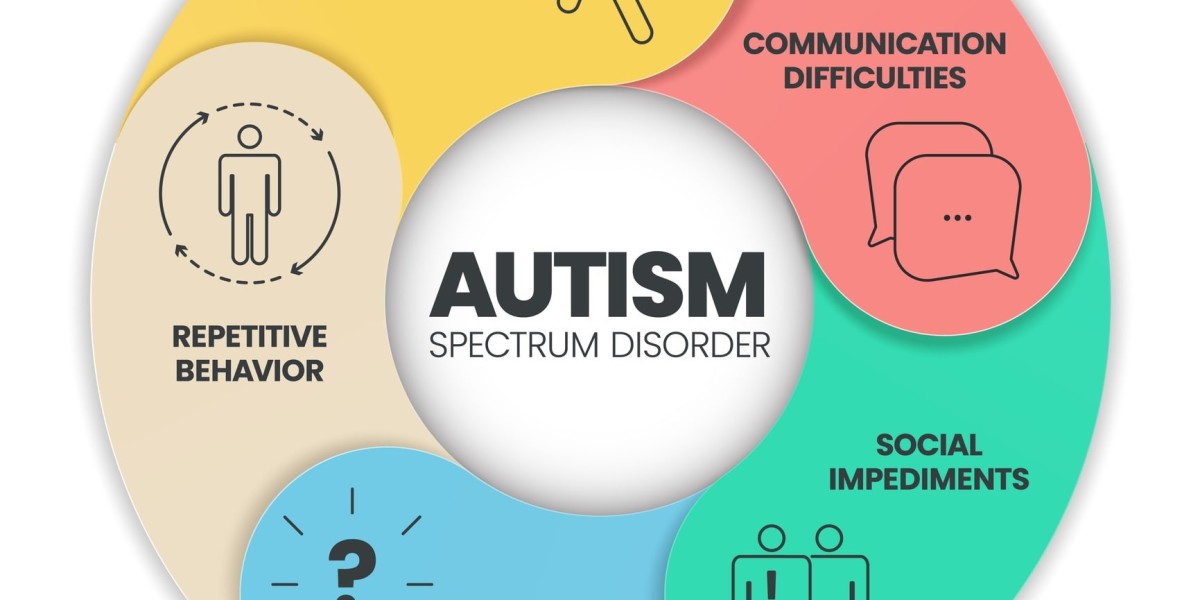
According to the NIH, ASD is a neurodevelopmental condition. This means it affects how the brain grows and develops. Children with ASD typically have:
- Significant and ongoing challenges with social communication (like understanding facial expressions or taking turns in conversation)
- Difficulties with social interaction (such as making friends or understanding social rules)
- Restricted, repetitive behaviors or interests (which might include intense focus on specific topics, repetitive movements, or needing strict routines)
Why This Matters for Families
Understanding that ASD is a neurodevelopmental condition helps explain why your child might experience the world differently. Their brain processes social information and sensory input in unique ways. This isn't about behavior problems or parenting - it's about neurological differences.
Practical Implications
While this NIH resource doesn't provide specific therapy recommendations, knowing the core characteristics of ASD can help you:
- Better understand your child's challenges and strengths
- Advocate for appropriate school supports
- Seek therapies that target social communication skills
- Create home environments that accommodate sensory needs
Important Limitations
This overview from the NIH provides general information about ASD characteristics. It doesn't cover:
- Specific causes of autism (which are complex and not fully understood)
- Treatment recommendations
- Individual differences among autistic people
Every autistic child is unique. What helps one child might not help another.
Where to Learn More
For the full resource from the National Institutes of Health, see: Autism Spectrum Disorder - StatPearls (Last updated January 2025).
Remember: You know your child best. This information can help you ask better questions and seek the right support, but it's just one piece of the puzzle.
Read the study: https://www.ncbi.nlm.nih.gov/books/NBK525976/