
Understanding Early Autism Interventions: What Parents Should Know
If you're a parent of a young child with autism, you've likely heard about various early intervention approaches. While we couldn't access the full details of this particular study due to technical limitations (the link redirects to a security check page), we want to acknowledge how important this topic is for families.
Why Early Intervention Matters
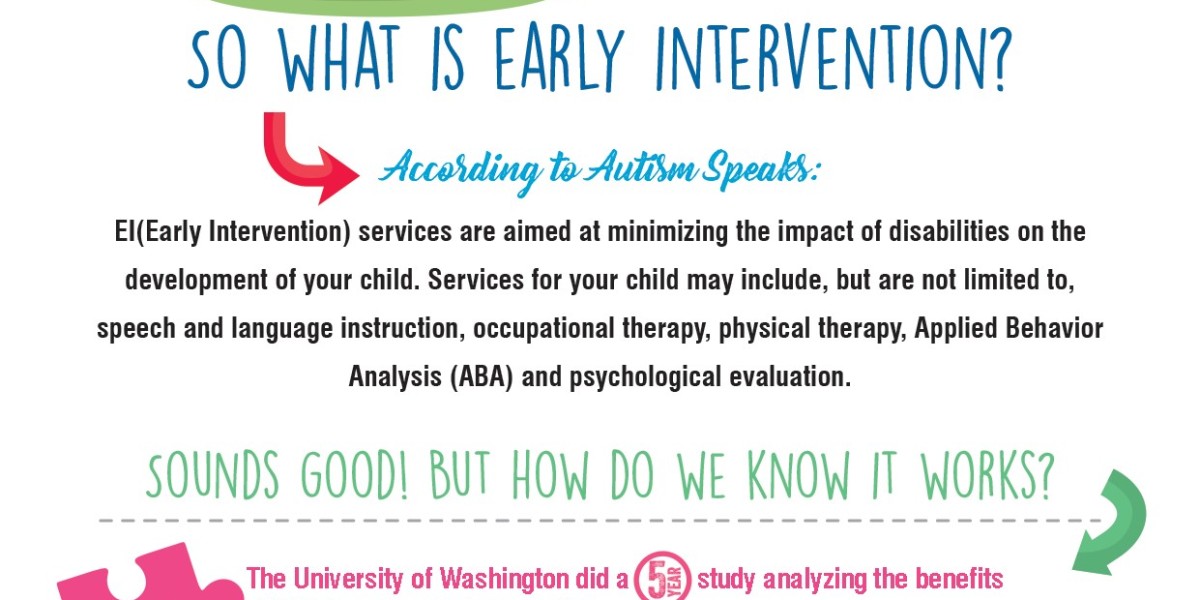
Research consistently shows that early intensive behavioral and developmental interventions can make significant differences in children's outcomes. While we can't share specifics from this particular paper, numerous studies have demonstrated that starting therapy early can help with communication, social skills, and daily living abilities.
What This Means for Your Family
If you're considering early intervention options:
- Early evaluation and diagnosis are crucial first steps
- Intensive programs often involve multiple therapy hours per week
- Behavioral approaches focus on skill-building and reducing challenging behaviors
- Developmental approaches emphasize natural learning through play and relationships
Important Limitations to Consider
Every child responds differently to interventions, and research studies vary in their methods and findings. Without access to this specific study's details, we can't comment on its particular strengths or limitations.
For parents seeking more information about early interventions, we recommend consulting with your child's healthcare providers and looking for research from reliable sources like the American Academy of Pediatrics or Autism Speaks.
You can attempt to access the original research here: PMC Article (Note: you may encounter a security check page)
Read the study: https://pmc.ncbi.nlm.nih.gov/articles/PMC12514992/