
Understanding Early Intervention for Autism: What Parents Should Know
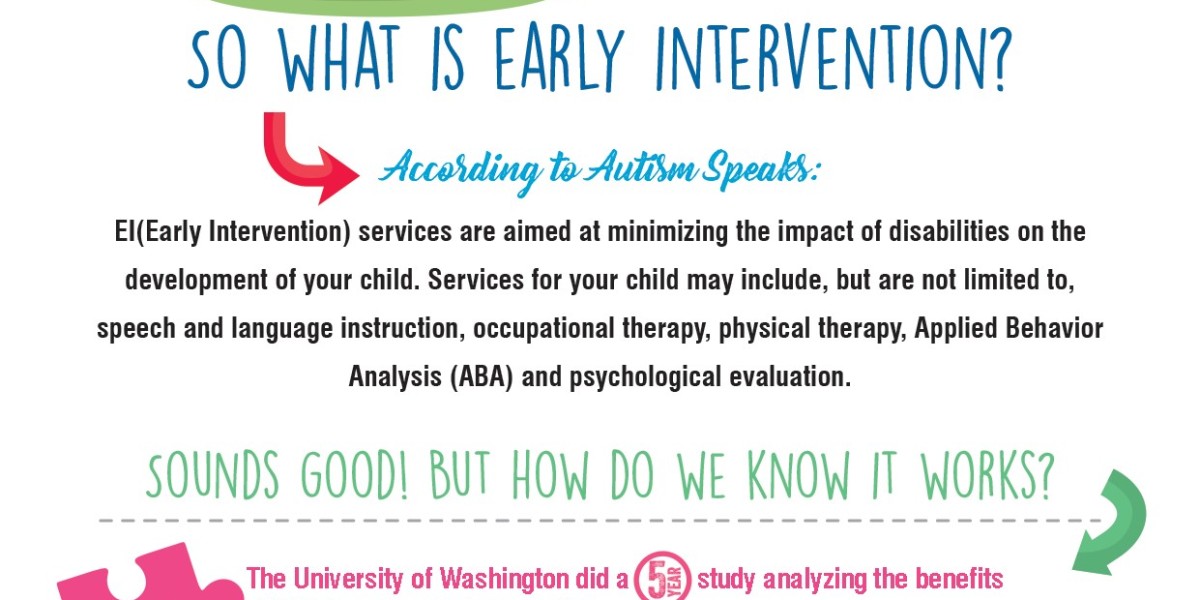
If you're a parent of a child with autism, you've likely heard about the importance of early intervention. But what does the research actually say about its impact? While specific details from this particular study aren't available due to access restrictions, we know that many studies have examined how early intensive behavioral and developmental approaches affect children's outcomes.
Why This Matters for Autism Families
Early intervention is often recommended because young brains are more adaptable. For children with autism, starting supportive therapies early may help with communication, social skills, and daily functioning. However, every child is unique, and what works well for one may not work as well for another.
Practical Considerations
If you're considering early intervention programs for your child:
- Look for evidence-based approaches
- Consider your child's individual needs
- Work closely with professionals
- Be prepared for a significant time commitment
Important Limitations
It's crucial to remember that autism research is ongoing, and individual results may vary. Some limitations to keep in mind:
- Studies often have relatively small sample sizes
- Long-term outcomes may not be fully known
- What works in research settings may differ from real-world applications
For parents wanting to learn more about this specific research, you can view the original paper here. Remember to consult with your child's healthcare providers about any intervention decisions.
Read the study: https://pmc.ncbi.nlm.nih.gov/articles/PMC12514992/