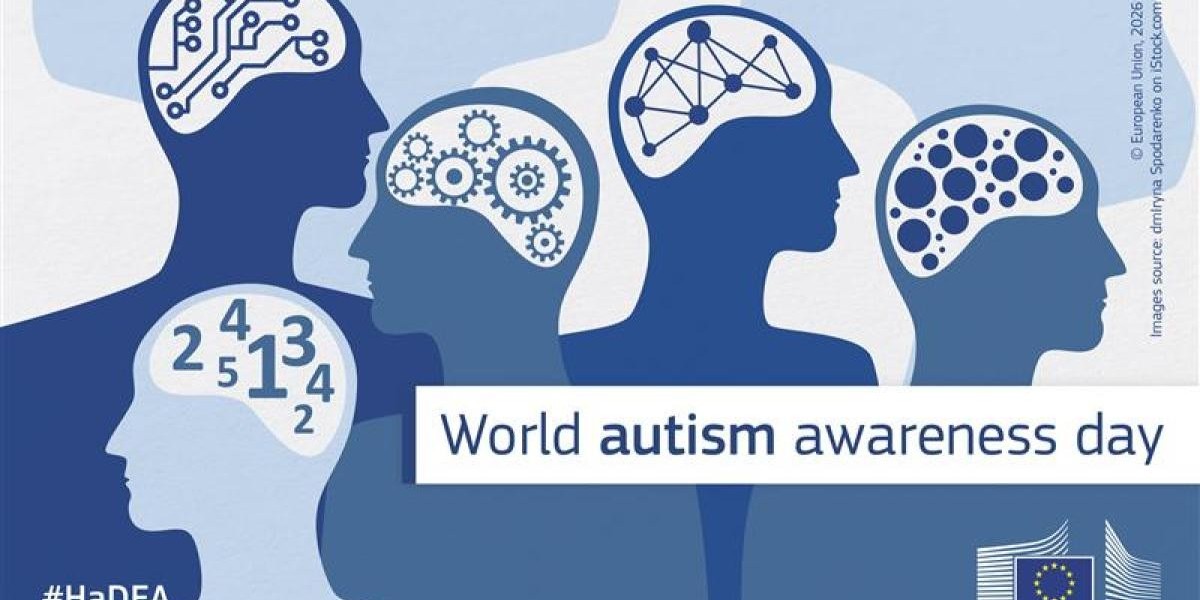

World Autism Awareness Day 2026: How European Research Is Transforming Neurodevelopmental Care
Every year on April 2nd, the world pauses to recognize World Autism Awareness Day. In 2026, there's something special to celebrate: groundbreaking European research that's not just studying autism—it's fundamentally changing how we understand, talk about, and support neurodevelopmental diversity. If you're parenting an autistic child or working in autism support, this research matters to you. Here's why.
What's Happening: The Big Picture
According to the World Health Organization, autism affects approximately 1 in 127 people worldwide. Autism spectrum disorder (ASD) encompasses a broad range of neurodevelopmental conditions characterized by differences in social interaction and communication, repetitive behaviors, and variations in speech and nonverbal expression.
The good news? The European Union is investing in research that goes beyond traditional approaches. Rather than studying autism about autistic people, these projects are studying autism with autistic people—and that changes everything.
Three Game-Changing Research Projects
1. R2D2-MH: Research That Includes Autistic Voices
The R2D2-MH project stands out for one crucial reason: it uses a participatory approach. This means individuals with neurodevelopmental conditions aren't just research subjects—they're active contributors shaping the research itself.
One of the most tangible outcomes? A language guide for research in neurodiversity. This might sound technical, but it's deeply practical. The co-creation group developed guidance promoting scientifically accurate and ethically sound terminology, moving away from deficit-based language that contributes to stigmatization. For families, this matters because the words researchers and clinicians use shape how society perceives and treats autistic people.
The R2D2-MH project has also compiled the largest European multi-scale dataset on early brain development and mental health trajectories, generating key insights into preterm birth, mental health, and resilience. This research foundation helps us better understand the factors that support autistic children's wellbeing.
The practical tool: The ADAPPT app, currently being tested, is designed specifically to support parents of children with neurodevelopmental conditions. This app represents a shift toward research that translates into real family support.
2. CANDY: Understanding Autism and Co-Occurring Health Conditions
Many autistic children experience co-occurring conditions—such as ADHD, intellectual disability, or somatic (physical) illnesses. The CANDY project investigates the underlying links between neurodevelopmental conditions and these co-occurring health issues to improve treatment and monitoring strategies.
By improving our understanding of how genetic factors, the immune system, and the microbiome interact with autism, this research helps clinicians provide more comprehensive, personalized care.
Why This Matters for Your Family
Research might feel distant from daily parenting, but these projects have real implications:
- Better language and understanding: As stigmatizing language fades from research and clinical practice, society's perception of autism shifts. This creates a more accepting environment for your child.
- Practical tools: Apps like ADAPPT bring research insights directly into your hands, offering real support for parenting challenges.
- Holistic care: Research exploring co-occurring conditions means your child's healthcare providers can address the full picture of their health, not just autism in isolation.
- Autistic voices in the room: When autistic people help design research, the questions asked and solutions developed are more likely to reflect what actually matters to autistic individuals and their families.
Three Takeaways for Parents and Caregivers
1. Pay attention to language. Notice when professionals use person-first vs. identity-first language, deficit-based vs. strength-based framing. These shifts reflect evolving research and values. Advocate for language that respects your child's neurodiversity.
2. Explore new tools and resources. Keep an eye out for apps and resources emerging from EU-funded research like ADAPPT. These are designed with family input and tested rigorously. They may offer practical support tailored to your needs.
3. Seek comprehensive healthcare. If your child has autism plus other health conditions, ensure your healthcare team is considering how these conditions interact. Research like CANDY's is improving our understanding of these connections.
Looking Forward
World Autism Awareness Day 2026 is a moment to celebrate how far research has come—and how much more inclusive and family-centered it's becoming. European research is showing that the most meaningful advances happen when autistic people, parents, and scientists work together.
If you're interested in learning more about these projects or staying informed about emerging research, follow updates from the European Commission's research funding bodies. Your engagement and feedback matter.
Have you encountered new language or tools for autism support in your community? Share your experiences in the comments below—let's learn from each other.
Source: European Commission HADEA: World Autism Awareness Day 2026 (April 2, 2026)
Source: hadea.ec.europa.eu