
New Autism Research: What Parents Should Know
A recent major review in The Lancet summarized what scientists currently understand about autism spectrum disorder (ASD). Here's what it means for families.
What Did the Researchers Study?
The paper reviewed hundreds of studies to create a big-picture understanding of:
- How autism develops (including genetic and environmental factors)
- How diagnosis works across different ages
- Which therapies show the most promise
- How to support autistic individuals throughout their lifespan
Key Findings for Families
1. Autism is highly individual: The review confirms what many parents observe - no two autistic people are alike. Strengths and challenges vary widely.
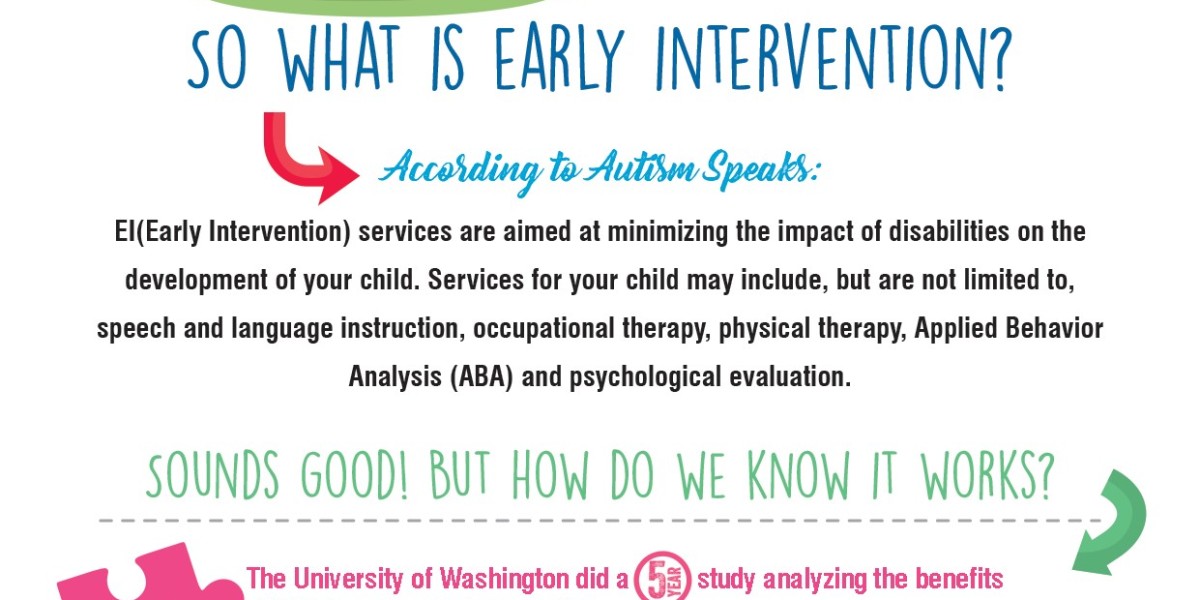
2. Early intervention helps, but it's never "too late": While early support is valuable, the brain remains capable of learning and adapting throughout life.
3. Co-occurring conditions matter: Many autistic individuals have additional medical needs (like sleep problems or epilepsy) that significantly impact quality of life.
Why This Matters
This research reinforces that:
- Personalized approaches work best - what helps one child may not help another
- Looking beyond just "autism symptoms" to address whole health needs improves outcomes
- Support should focus on building skills and creating accommodating environments
Practical Takeaways
Parents and caregivers can:
- Track all health concerns - not just autism-related ones - to share with doctors
- Focus on strengths as much as challenges when planning therapies
- Advocate for lifelong support - needs change at different life stages
Important Limitations
While this is a comprehensive review, autism research still has gaps. Most studies focus on children, and more work is needed to understand autism in adulthood, especially for verbal individuals and those assigned female at birth.
Want to dive deeper? Read the full Lancet review article here.
Read the study: https://thelancet.com/article/S0140-6736(18)31129-2/fulltext