
New Research: How Altered Immune Cells May Impact Autism
Exciting new research from the UC Davis MIND Institute sheds light on the role of immune system changes in autism—specifically, a type of cell called regulatory T cells (Tregs). These findings could help explain why many autistic children experience neuroinflammation and gastrointestinal (GI) issues, and pave the way for future therapies. Here’s what parents need to know.
What the Study Found
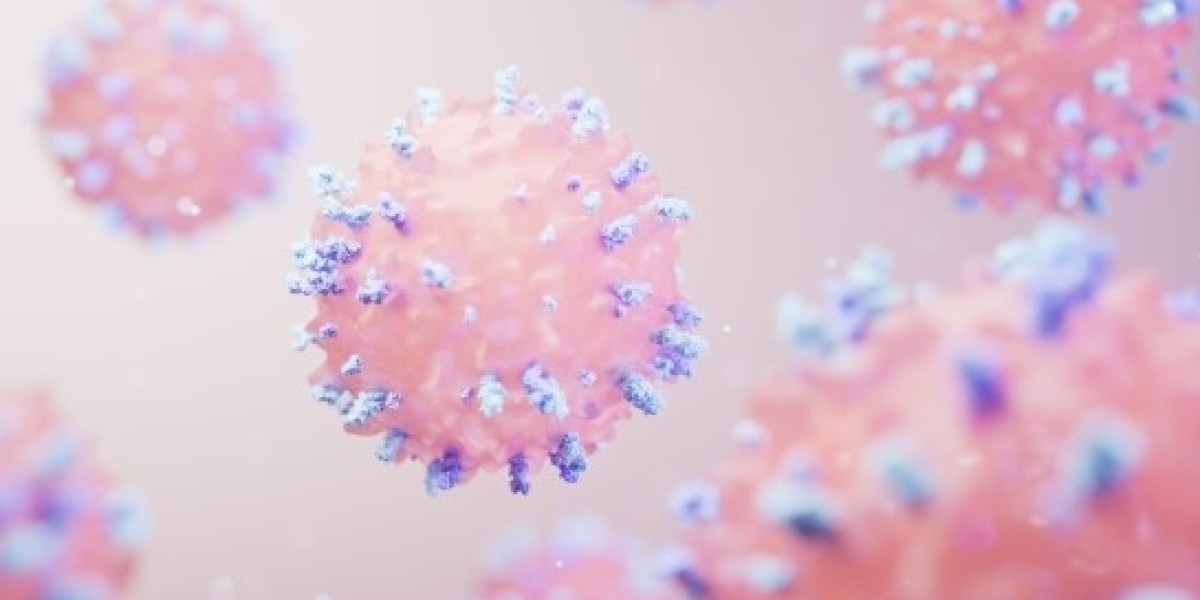
According to the research, autistic children have altered Tregs—both in quantity and in how their genes function—compared to typically developing children. Tregs act like the immune system’s "brakes," preventing excessive inflammation. When these cells don’t work properly, inflammation can increase, which may contribute to behavioral challenges and GI problems common in autism.
The study, published in the Journal of Neuroinflammation, also explored whether GI symptoms further changed Treg activity. While the results didn’t specify exact differences, the connection suggests that immune health and gut health in autism may be closely linked.
Why This Matters for Autism Families
This research is important because:
- Neuroinflammation may affect behavior: Higher inflammation has been linked to greater support needs, while healthier Treg function correlates with better behavioral outcomes.
- GI issues are common in autism: Many autistic children struggle with digestive problems, and this study hints at a possible immune component.
- Potential for future therapies: Tregs haven’t been well-studied in autism until now, opening doors for new treatment approaches.
What Parents Can Do Now
While more research is needed, here are practical steps based on these findings:
- Monitor inflammation markers: Talk to your child’s doctor about simple blood tests that check for inflammation, which might offer clues about immune health.
- Prioritize gut health: Since GI issues and immune function may be connected, consider working with a specialist to address diet or digestive concerns.
- Stay informed: Follow studies on Tregs and autism—this could become a key area for future therapies.
This research is still evolving, but it’s a hopeful step toward understanding the biological roots of autism. As scientists learn more, families may gain new tools to support their children’s health and development.
Source: UC Davis Health (April 2, 2026)
Source: health.ucdavis.edu