
New Autism Treatment Research Offers Hope for Families
Researchers at the Medical University of South Carolina (MUSC) are working to develop treatments for autism spectrum disorder (ASD), with a particular focus on genetic forms that often lead to more severe symptoms. This research could pave the way for more personalized approaches to autism care.
Why This Matters for Autism Families
According to MUSC, the team is studying single-gene causes of ASD, which account for a smaller portion of autism cases but are frequently associated with more pronounced challenges. Children with these genetic variants often require lifelong, intensive support and may experience additional related conditions.
While autism diagnoses have become more common due to improved screening and broader definitions (1 in 150 children in 2000 vs. higher rates today), treatments remain limited. This research represents a hopeful step toward addressing the root causes rather than just managing symptoms.
What Parents Should Know
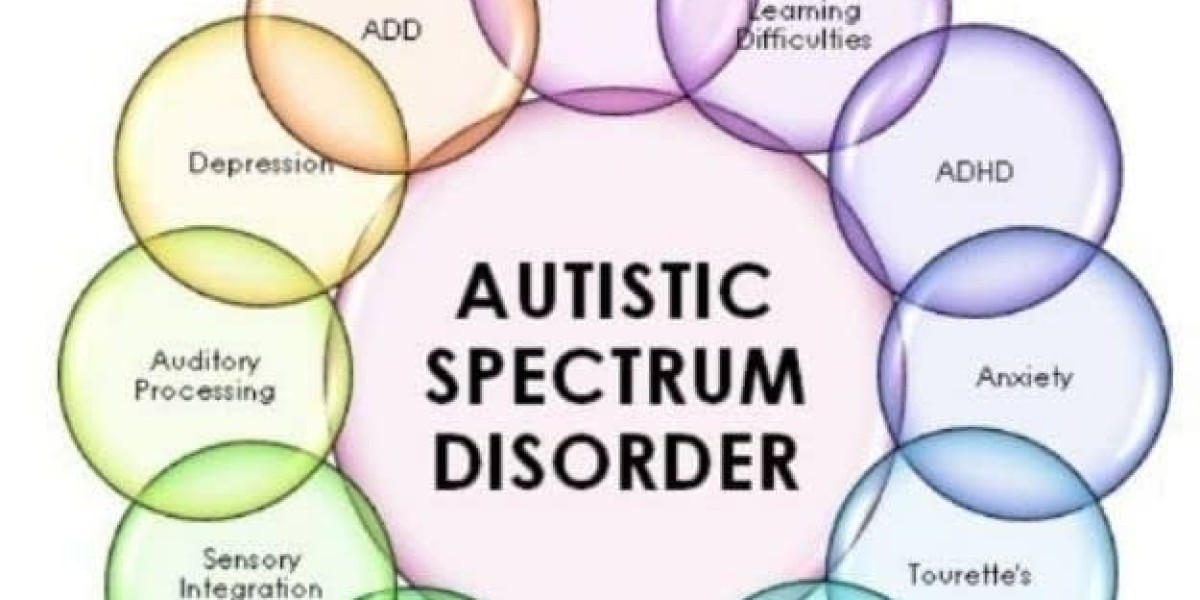
- Not all autism is the same: This research highlights how genetic subtypes may respond differently to treatments.
- Severity varies: Single-gene forms often correlate with greater support needs, which many families experience firsthand.
- Science is progressing: While not immediate, such studies build toward future therapies.
Next Steps for Families
- Stay informed: Follow reputable research institutions like MUSC for updates on treatment development.
- Consider genetic testing: If your child has undiagnosed severe autism, consult a doctor about whether genetic screening could provide insights.
- Advocate for research: Support organizations funding meaningful autism studies.
While we await further developments, this work reminds us that the scientific community continues to strive for better solutions. For now, connecting with other families and accessing available therapies remains crucial.
Source: MUSC News, April 22, 2026
Source: www.musc.edu