
Understanding Autism: New 'Three-Hit Model' Offers Hope for Prevention and Treatment
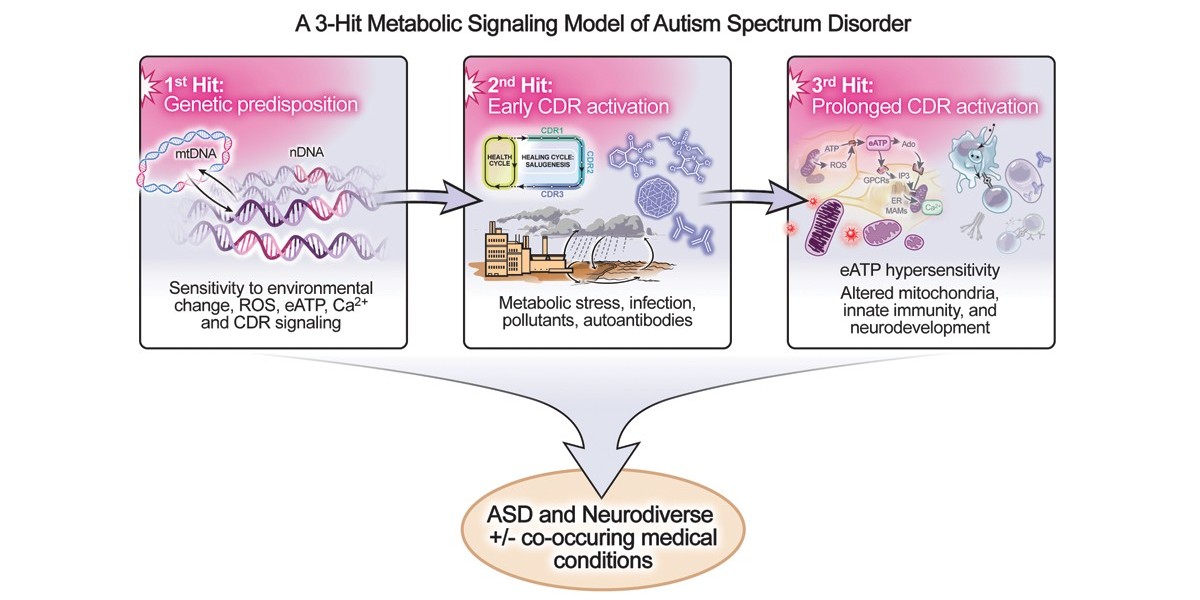
For families touched by autism, new research from UC San Diego School of Medicine offers both insight and hope. The study proposes a "three-hit" model that explains how genetic predispositions, metabolism, and environmental exposures work together to cause autism spectrum disorder (ASD).
What the Study Found
Published in Mitochondrion, the research suggests autism isn't caused by any single factor, but rather emerges from a series of biological interactions affecting cellular communication and energy metabolism. According to lead researcher Dr. Robert K. Naviaux, this means autism may not be an inevitable outcome, but rather a condition where many contributing factors can potentially be modified.
Most remarkably, the study estimates that up to half of autism cases might be prevented or reduced through early interventions during pregnancy and early childhood.
Why This Matters for Autism Families
This "three-hit" model changes how we understand autism's origins:
- Hope for prevention: The possibility that many cases could be mitigated through prenatal and early-life care offers new directions for research.
- Treatment implications: Viewing autism as a disorder of cellular metabolism suggests future therapies might target these biological pathways.
- Personalized approaches: Understanding how genes and environment interact could lead to more tailored interventions.
Practical Takeaways for Parents
- Stay informed: Follow developments in metabolic research, as this may lead to new prevention strategies.
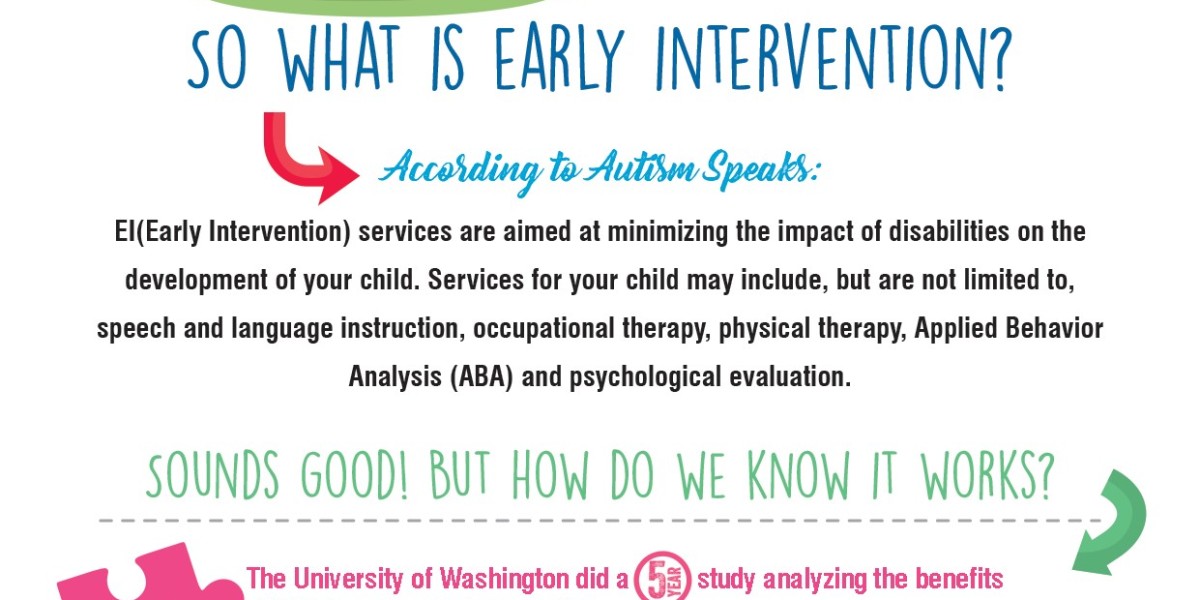
- Early intervention matters: The study reinforces the importance of early developmental support.
- Consult your doctor: Discuss any questions about genetic or environmental risk factors with your pediatrician.
While more research is needed, this study represents an important step toward understanding autism's complex causes. As Dr. Naviaux notes, "By understanding how these factors stack to alter a child's developmental trajectory, we can start to imagine preventive care and new approaches to treatment."
Want to learn more? Read the full study on UC San Diego's website:
Three-Hit Model Describes the Causes of Autism (Published December 10, 2025)
Source: today.ucsd.edu