
Where Autism Research Funding Goes (And What It Means for Families)
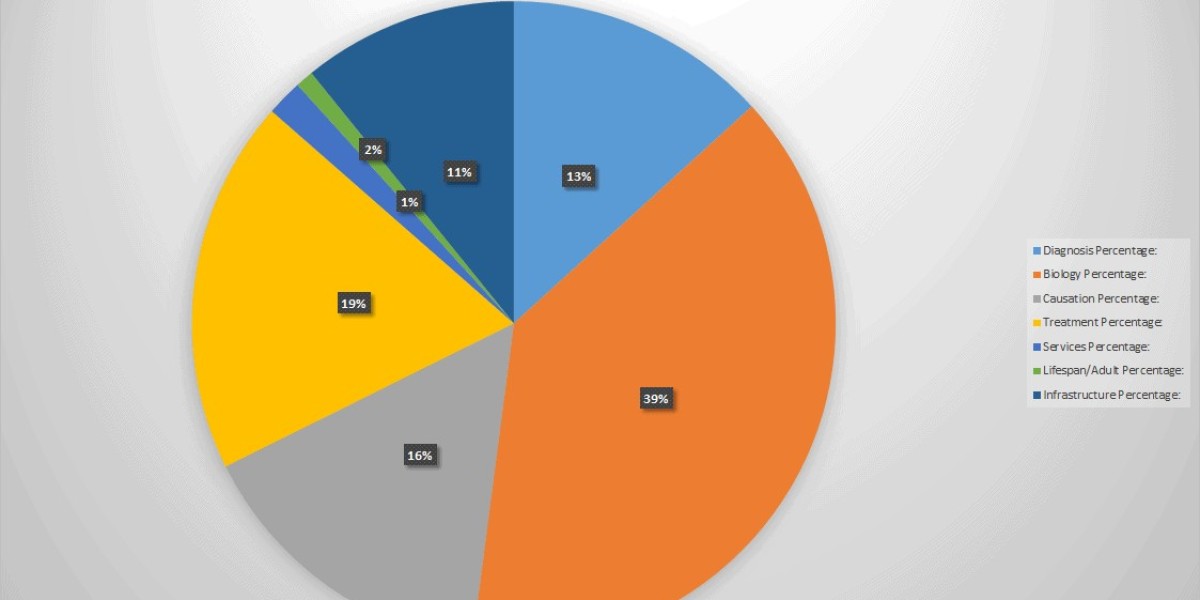
A new report reveals that most federal autism research funding supports biology and basic science rather than practical interventions or quality-of-life studies. For parents navigating daily challenges, this imbalance raises important questions about how research priorities align with community needs.
Why This Matters to Autism Families
While understanding autism's biological underpinnings is valuable, many families feel urgent concerns about:
- Developing better educational strategies
- Improving transition-to-adulthood programs
- Creating effective therapies for co-occurring conditions
As one parent commented: "We need research that helps my child today, not just theoretical breakthroughs that might help future generations."
3 Takeaways for Parents
- Stay informed about research funding trends through organizations like Autism Speaks
- Advocate for balanced research priorities by sharing your family's needs with policymakers
- Focus on evidence-based practices that currently have strong research support (like ABA for certain learners)
"Research should serve the community's most pressing needs—not just scientific curiosity."
—Autism Self-Advocacy Network
How You Can Make a Difference
The research funding landscape can change when families speak up. Consider:
- Participating in community-based research studies
- Joining advocacy groups that influence funding decisions
- Sharing your perspective with researchers at local autism events
Read the full report and learn how to get involved: Autism Speaks Research Funding Analysis
Source: www.autismspeaks.org