
Evidence-Based Therapies for Young Autistic Children: What Parents Should Know
Pediatrician Dr. Tracy Tyson recently shared an Instagram post summarizing the current research about therapies for children under 3 with autism. Her post references multiple peer-reviewed studies and guidelines from major medical organizations. Here's what parents should understand about these findings.
What the Research Shows
According to multiple studies cited by Dr. Tyson, these therapies have evidence supporting their use for young autistic children:
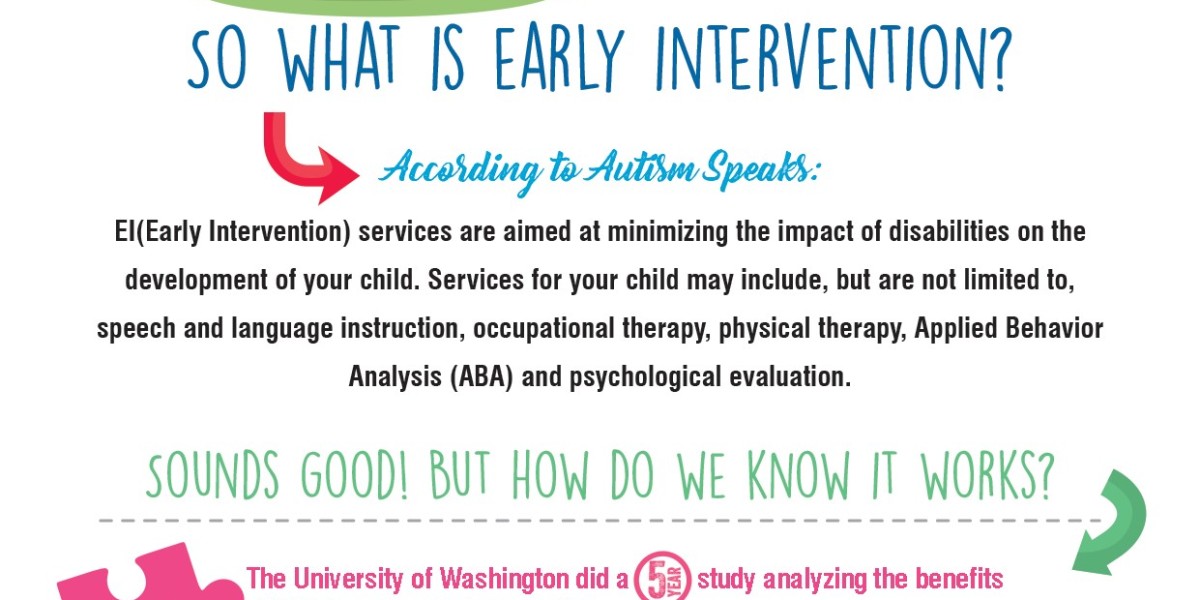
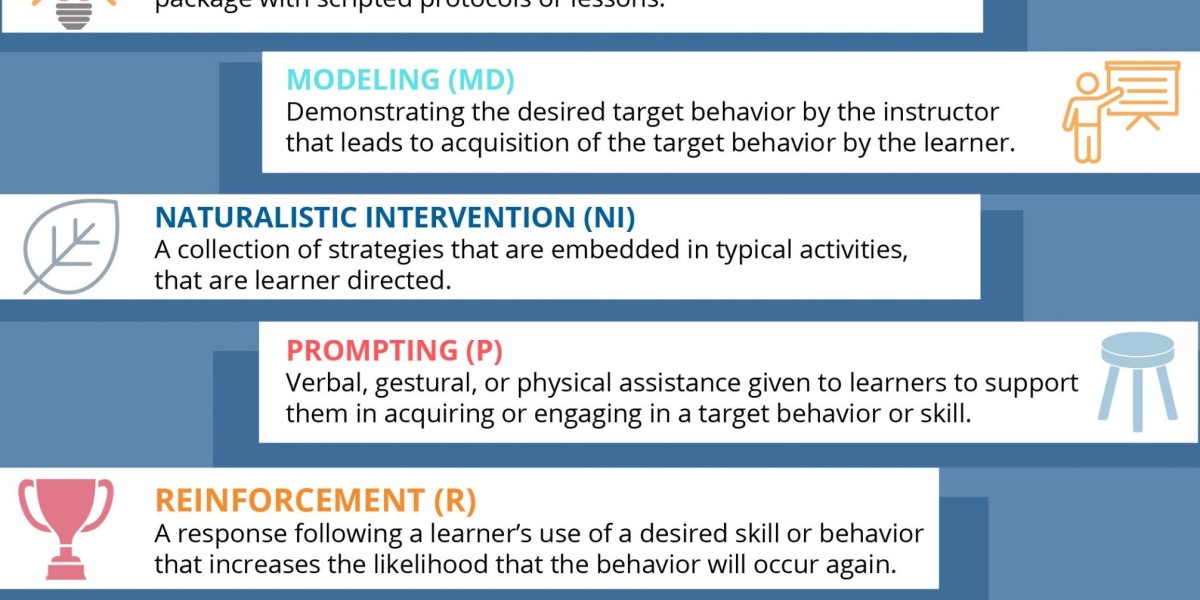
- Early Intervention programs combining physical, occupational, and speech therapies
- Applied Behavioral Analysis (ABA) therapy
- Parent-centered approaches (especially helpful for very young children at high risk for autism)
Other approaches like music and art therapy showed some benefits in studies, but results were inconsistent.
Therapies Without Evidence
Dr. Tyson warns that several popular therapies lack scientific support and could potentially be harmful:
- Chelation therapy
- Hyperbaric oxygen
- Antidepressants
- Gluten-free diets
- Carnivore/meat-based diets
Why This Matters for Autism Families
With so many therapy options marketed to parents of autistic children - and many costing significant time and money - this research helps families focus on approaches most likely to help. Early intervention is particularly crucial for young children.
Practical Takeaways
- Prioritize therapies with strong research backing first
- Be skeptical of treatments claiming to "cure" autism
- Work with your pediatrician to develop an evidence-based plan
- Consider parent training programs - research shows they're effective
Limitations to Consider
While this summary references multiple studies, every child's needs are different. Some findings may change as more research emerges. Also:
- Most studies focused on children under 3 - results may differ for older kids
- Some therapies (like art/music) showed mixed results
- Individual responses to therapies vary
The bottom line? Stick with approaches backed by solid science, and be wary of anything that sounds too good to be true.
For parents wanting to explore the original research, Dr. Tyson cited these key studies:
- American Academy of Pediatrics Guidelines (2020)
- Project AIM meta-analysis (BMJ, 2023)
- Cochrane Review on Early Intensive Behavioral Intervention (2018)
You can view Dr. Tyson's full Instagram post with all references here: Instagram post on evidence-based autism therapies
Read the study: https://www.instagram.com/reel/DUiV2W9AX_W/