
What New Research Tells Us About Autism Rates Worldwide
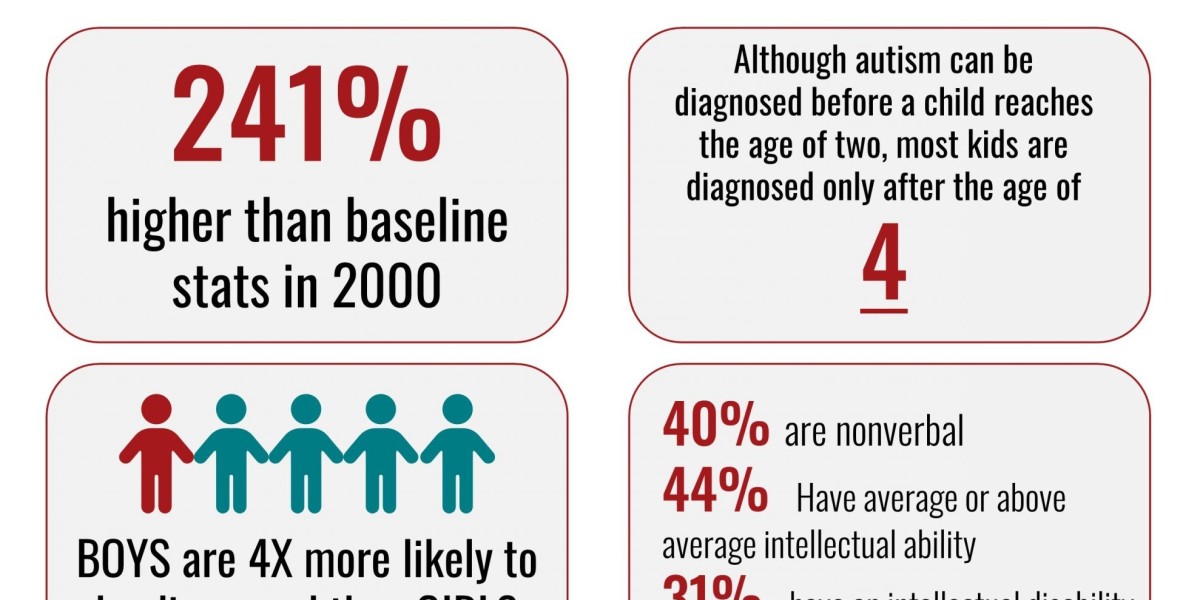
A team of researchers from Wenzhou Medical University in China recently published a comprehensive analysis of autism spectrum disorder (ASD) trends across the globe. Their study, published in Actas Esp Psiquiatr in December 2025, examined data from 1990 through 2021 and made projections for 2045.
What the Study Found
The research team analyzed how autism prevalence and impact has changed worldwide over three decades. While the full statistics aren't available in the publication preview, the study appears to track autism rates by region and country, looking at both historical trends and future projections.
Why This Matters for Autism Families
Understanding global autism trends helps policymakers allocate resources for:
- Diagnostic services
- Therapy programs
- School accommodations
- Adult support services
Limitations to Consider
Since we can't see the full study details yet, we don't know:
- Specific prevalence rates by country
- What factors may be driving any changes
- How data was collected across different regions
Looking Ahead
When the full study becomes publicly available, it could help autism advocates:
- Push for better services in underserved areas
- Plan for future workforce needs in autism-related fields
- Understand how diagnostic practices affect reported rates
For parents, the key takeaway is that researchers continue working to understand autism's global impact - knowledge that should ultimately translate to better support systems worldwide.
Source: Global, Regional, and National Burden of Autism Spectrum Disorder (December 2025)
Read the study: https://pmc.ncbi.nlm.nih.gov/articles/PMC12728558/