
Could AI Help Detect Autism Earlier? What Parents Should Know
Researchers reviewed studies using AI to analyze voice and behavior patterns for autism traits—here's what it means for families.
What Did the Study Find?
Researchers examined 26 studies where artificial intelligence (AI) analyzed speech (like tone, rhythm, or word patterns) and behavioral data (such as eye gaze or movement) to identify potential autism traits. Some AI models showed promise—for example, certain voice patterns (like flat tone or repetitive phrasing) or atypical eye contact could flag autism with moderate accuracy.
However, this tech isn’t ready for real-world use yet. Most studies were small, focused on boys, and didn’t account for cultural/language differences. AI also can’t replace professional evaluation—it’s a tool, not a diagnosis.
Why This Matters for Autism Families
- Earlier detection: If refined, AI tools could help spot early signs in toddlers (e.g., through speech apps), leading to faster support.
- Objective data: Unlike subjective checklists, AI might reduce bias in screenings.
- Remote options: Future apps could allow screenings at home, especially where specialists are scarce.
Practical Takeaways
- Don’t rely on AI apps yet. Always consult a clinician for concerns.
- Track developmental milestones. Note speech delays, social differences, or repetitive behaviors—these matter more than tech tools.
- Advocate for diverse research. Most AI data lacks girls, nonverbal kids, and multilingual speakers.
The Bottom Line
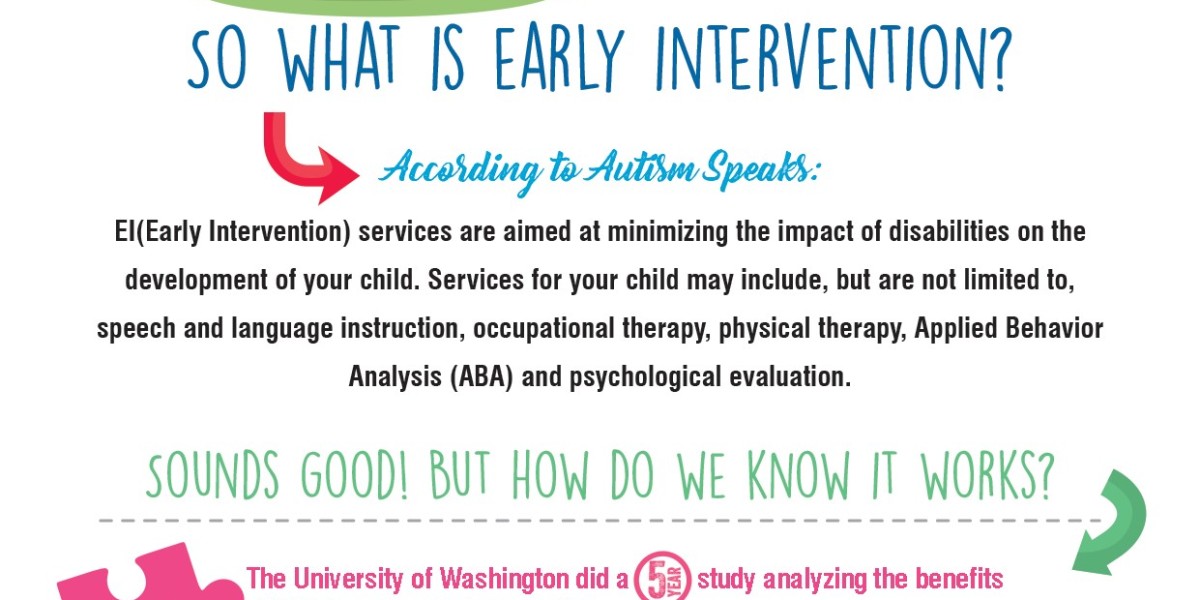
AI could one day aid autism screening, but it’s still experimental. For now, trust proven methods—like pediatrician checkups and early intervention.
? Want to dive deeper? Read the full review here.
Read the study: https://www.mdpi.com/2306-5354/12/11/1136