
'I Feel Seen': How Autism Research Empowers Families Like Benjamin's
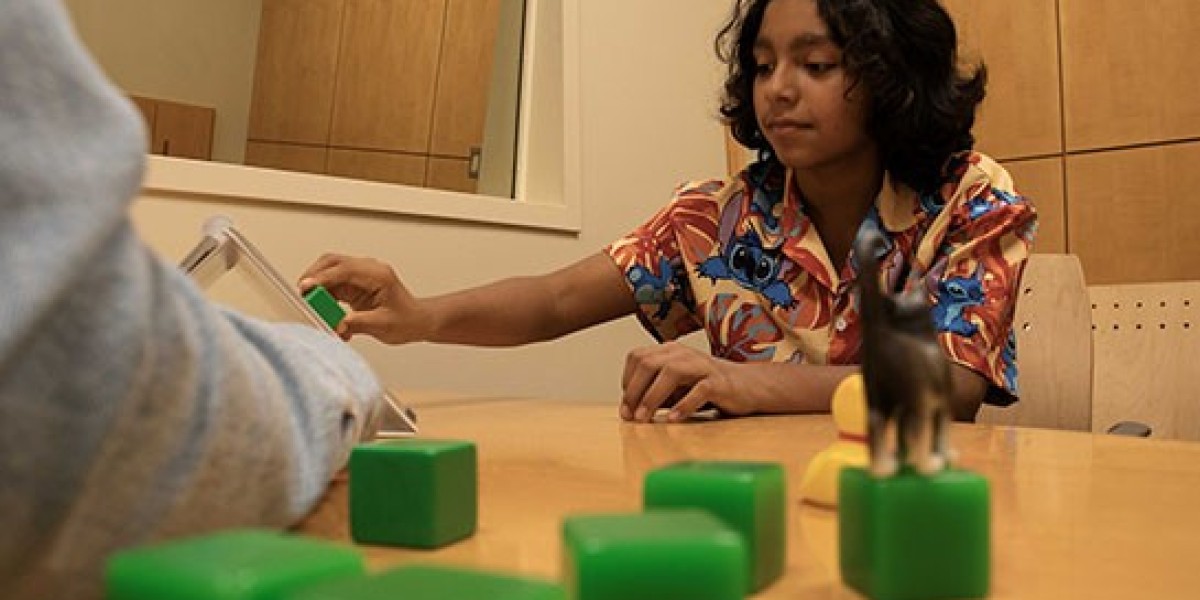
When 11-year-old Benjamin Awalt arrived at the UC Davis MIND Institute wearing a handmade Big Bird costume, he wasn't just making a fashion statement—he was bringing his whole autistic self to an important research opportunity. His family's participation in the Autism Phenome Project (APP) highlights how scientific studies can make families feel valued while working toward better support systems.
Why This Matters for Autism Families
The APP, led by Professor Christine Wu Nordahl, aims to identify different autism subtypes by tracking developmental patterns from childhood into early adulthood. As Nordahl explains, "Because autism is a wide spectrum, there's no single intervention or support that works for everyone." This research could eventually help predict outcomes and tailor support strategies.
For Benjamin—a theater-loving costume designer diagnosed at age 3—participating meant exciting moments like seeing his own brain during an MRI scan ("It was fun, honestly"). But more importantly, it represented hope for understanding his unique neurology.
3 Takeaways for Autism Parents
- Research participation can be empowering — Benjamin's family shows how studies like APP help autistic individuals feel actively involved in shaping future understanding.
- Personalized approaches matter — With autism's diversity, projects identifying subtypes may lead to more customized support strategies.
- Neurodiversity thrives with accommodation — The researchers' willingness to engage with Benjamin's Big Bird costume demonstrates the importance of welcoming autistic individuals as they are.
Next Steps
If you're interested in research opportunities:
- Explore studies at academic institutions like the MIND Institute
- Ask your child's therapists about local participation options
- Consider how sharing your family's experience could help others
As Benjamin's story shows, scientific progress happens when researchers and families work together—sometimes while wearing fabulous homemade costumes.
Source: UC Davis Health, February 24, 2026
Source: health.ucdavis.edu