
Understanding Autism: Causes, Prevalence, and Treatment Options Explained
If you're trying to make sense of autism research, a recent comprehensive review paper helps pull together the big picture. Here's what parents should know about what scientists understand (and don't yet understand) about autism spectrum disorder (ASD).
What Did the Researchers Study?
This paper reviewed hundreds of studies to summarize what we know about:
- How common autism is (epidemiology)
- Possible causes (aetiology)
- Brain differences in autism (pathology)
- Medication options (pharmacological treatment)
Key Findings for Parents
1. Autism Prevalence is Rising
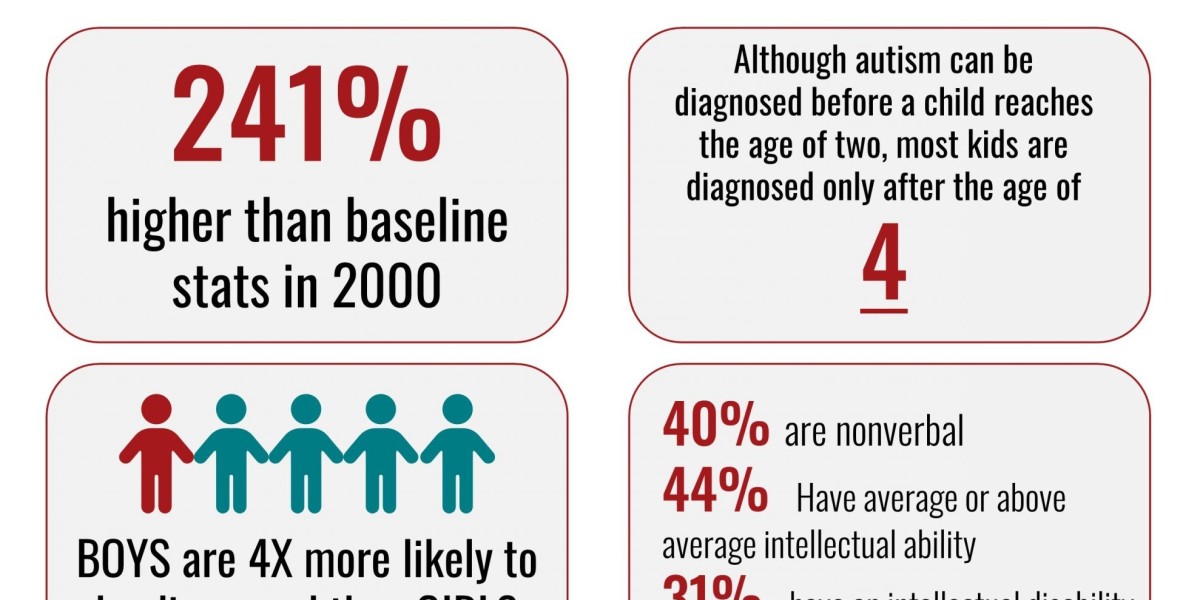
Studies show autism diagnoses have increased significantly over the past 20 years. The review notes this likely reflects both better awareness/diagnosis and possibly actual increases in cases. Current estimates suggest about 1 in 54 children has ASD.
2. Many Factors May Contribute to Autism
The research suggests autism develops from a mix of:
- Genetic factors (hundreds of genes may play a role)
- Environmental factors (like parental age or pregnancy complications)
- Brain development differences visible in imaging studies
Importantly, the paper confirms vaccines do not cause autism - multiple large studies have disproven this myth.
3. Medications Can Help Some Symptoms
While no medication treats autism itself, the review found certain drugs can help with related challenges:
- Risperidone and aripiprazole for irritability and aggression
- Stimulants (like those for ADHD) may help with focus
- Some antidepressants may help with anxiety or repetitive behaviors
The paper emphasizes medications should always be carefully considered alongside behavioral therapies.
Why This Matters for Autism Families
This big-picture review helps parents understand:
- Autism's complexity - there's no single cause or cure
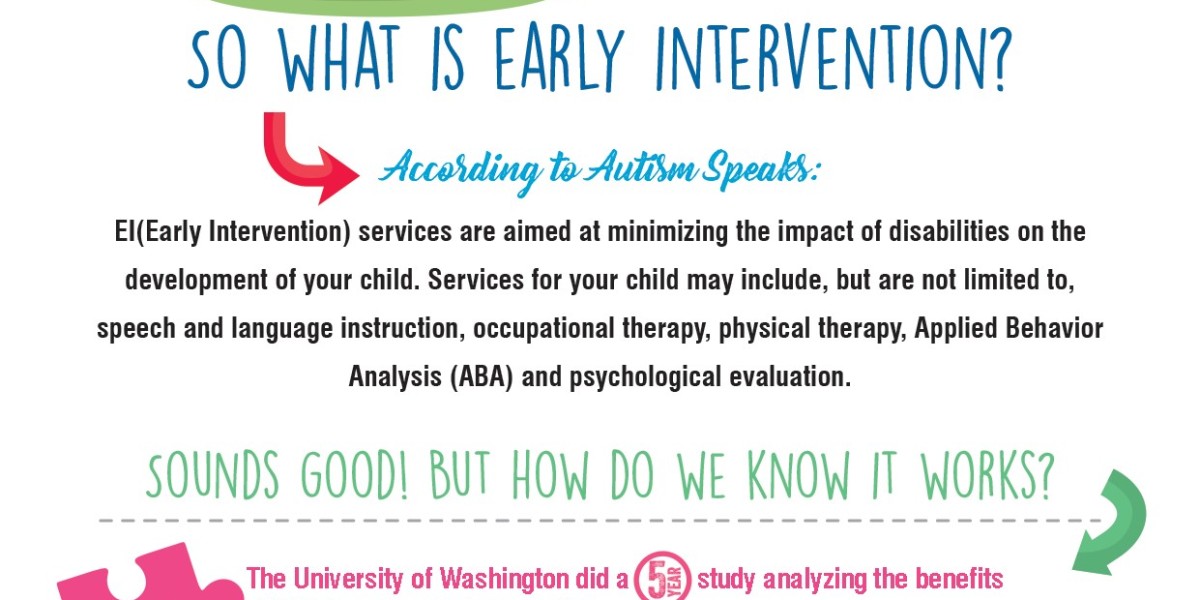
- Why early intervention is so important
- That while medications can help some challenges, they're just one tool among many
Practical Takeaways
- Early evaluation matters: With rising prevalence, don't wait if you have concerns
- Treatment is individualized: What works varies greatly child-to-child
- Medication decisions: Should be made carefully with your doctor, weighing benefits and side effects
Important Limitations
While helpful, this review has limits parents should know:
- It summarizes existing research but doesn't provide new data
- Autism understanding is still evolving - some findings may change with future studies
- Medication effects vary widely - just because something helps on average doesn't mean it will help your child
The takeaway? Autism is complex, but research continues to provide clearer pictures of causes and helpful interventions. While questions remain, families have more resources than ever before.
Read the full research review here (technical language warning).
Read the study: https://www.mdpi.com/1424-8247/18/11/1644