
Princeton Study Breakthrough: What It Means for Autism Families
Exciting news from Princeton University could mark a turning point in autism research. A new study has uncovered findings that may reshape how we understand the neurodevelopmental aspects of autism spectrum disorder (ASD). While the full details are still emerging, this research offers hope for deeper insights into the neurological differences that shape autistic experiences.
Why This Matters to Autism Families
For parents raising autistic children, research breakthroughs aren't just academic—they're personal. This Princeton study (while we await peer-reviewed publication) appears to challenge some previous assumptions about brain connectivity in autism. If validated, these findings could influence future therapeutic approaches and educational strategies.
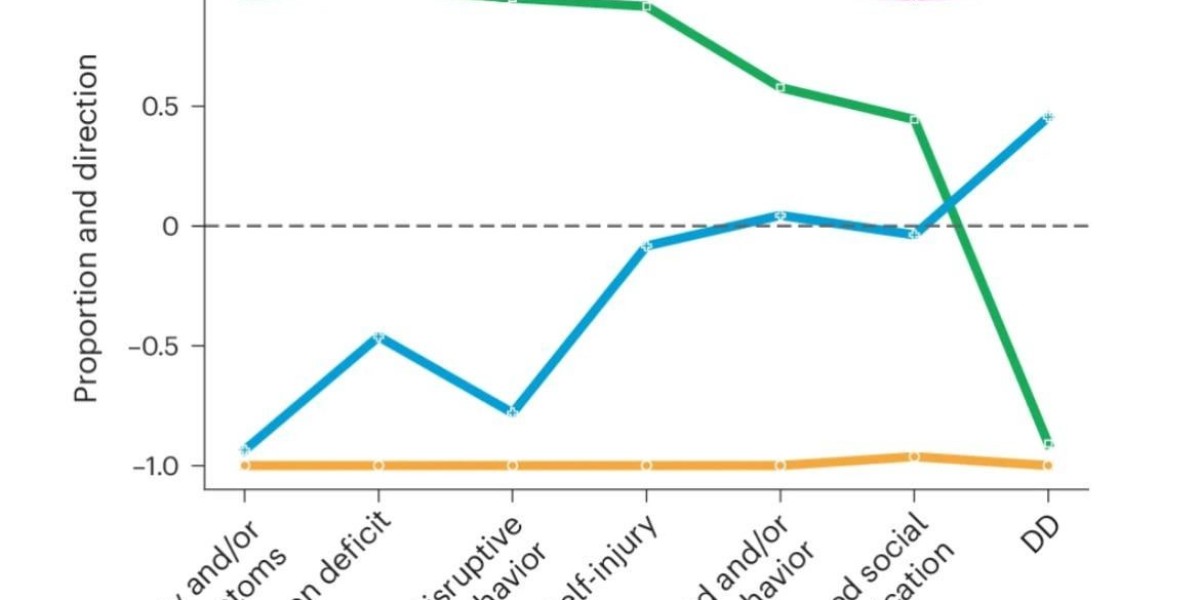
Many parents report frustration with the "one-size-fits-all" approaches that dominate autism interventions. This new research may help explain why some therapies work brilliantly for certain children while showing limited results for others—potentially paving the way for more personalized support systems.
Key Takeaways for Parents and Caregivers
- Stay cautiously optimistic: While promising, this is one study in a large field of research. Celebrate progress but maintain realistic expectations about timelines for practical applications.
- Focus on individual strengths: Emerging research continues to highlight the importance of recognizing each autistic individual's unique neurological profile rather than focusing solely on challenges.
- Connect with reliable sources: As this news spreads, beware of exaggerated claims. Follow updates directly from Princeton's neuroscience department or trusted autism organizations.
What Comes Next?
The scientific community will need time to review and build upon these findings. In the meantime, parents can:
- Discuss these developments with their child's therapists to understand potential implications for current interventions
- Share the study with local support groups to foster informed discussions
- Follow Princeton's ongoing research for future updates
Every research breakthrough brings us closer to a world that better understands and supports neurodiverse individuals. While we await more details, this study reminds us of the importance of continuing to advocate for evidence-based, individualized approaches to autism care and education.
Want to learn more? Read the original reporting at NJ Spotlight News and consider sharing your thoughts in our community forum.
Source: www.njspotlightnews.org