
NHS Priorities for 2025-26: Why Autistic Families Feel Let Down
The National Autistic Society (NAS) recently raised concerns about the NHS's priorities for 2025-26, which notably exclude autism services. This announcement has left many autistic individuals and their families feeling overlooked and unsupported. Here’s what happened—and why it matters.
What’s the Issue?
The NHS published its key priorities for the next two years, focusing on areas like mental health, maternity care, and cardiovascular disease. However, autism services were not included as a dedicated priority. The NAS called this a missed opportunity, emphasizing that autistic people already face long waiting lists for diagnoses, therapies, and tailored support. Without clear commitments from the NHS, these delays could worsen.
Why This Matters for Autism Families
For parents and caregivers, timely access to autism services is critical. Many families struggle with:
- Diagnostic delays: Some children wait years for an autism assessment, missing early intervention opportunities.
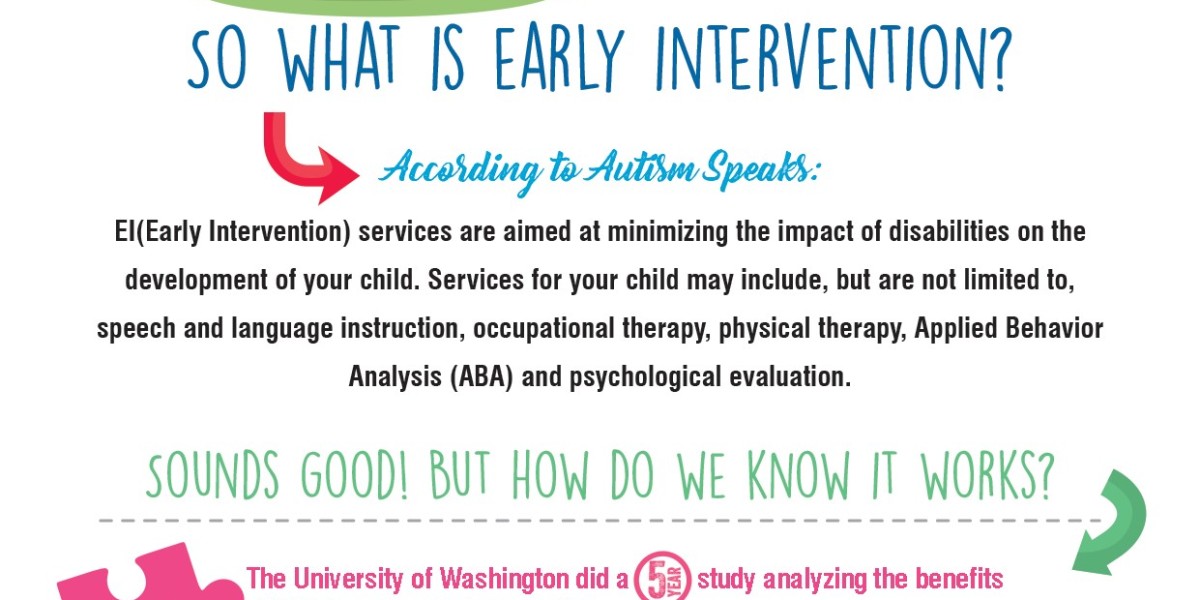
- Limited therapy access: Speech, occupational, and behavioral therapies are often hard to secure.
- Mental health gaps: Autistic individuals are more likely to experience anxiety, depression, or sensory challenges, yet specialized mental health care is scarce.
Without NHS prioritization, these systemic gaps may persist, leaving families to navigate support alone.
What Can Families Do Now?
While this news is disappointing, there are steps you can take to advocate for better support:
- Raise awareness: Share the NAS’s response on social media or with local policymakers to highlight the need for autism-inclusive healthcare.
- Explore local resources: Charities, support groups, and some schools offer therapies or workshops not covered by the NHS.
- Join advocacy efforts: Organizations like the NAS campaign for policy changes—consider supporting their work or sharing your story.
This isn’t just about healthcare—it’s about ensuring autistic individuals get the understanding and resources they deserve. Let’s keep pushing for change together.
Learn more and join the conversation: Read the NAS statement here.
Source: www.facebook.com