
Understanding Autism: Key Characteristics and Considerations for Families
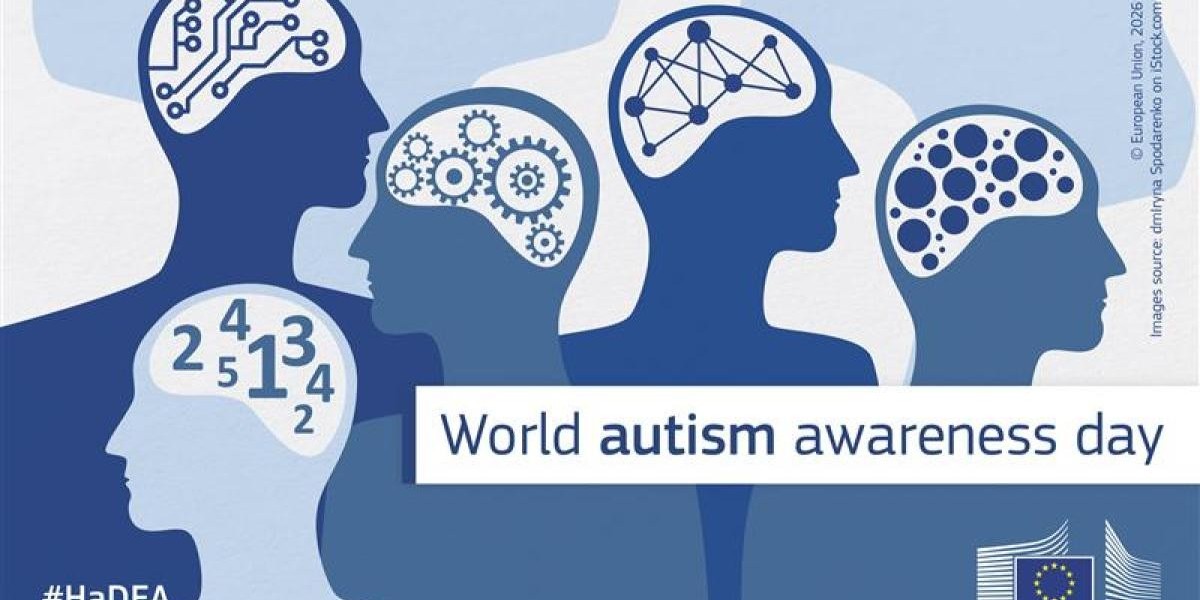
Autism is a neurodevelopmental condition with diverse characteristics that affect individuals differently. According to Wikipedia's overview, autism primarily involves differences in social communication and restricted or repetitive behaviors.
What does autism look like?
The Wikipedia page highlights two main areas:
- Social communication differences: Challenges with back-and-forth conversation, nonverbal cues (like eye contact), and building relationships
- Repetitive behaviors: Including repetitive movements, resistance to change, intense interests, and sensory sensitivities
Other noted features include self-injury risks, wandering tendencies, and experiences of fatigue or burnout.
Why this matters for families
Recognizing these traits helps parents:
- Understand their child's unique needs
- Advocate for appropriate support at school
- Reduce frustration by recognizing sensory or communication challenges
Management approaches mentioned
Wikipedia lists several strategies without endorsing any single approach:
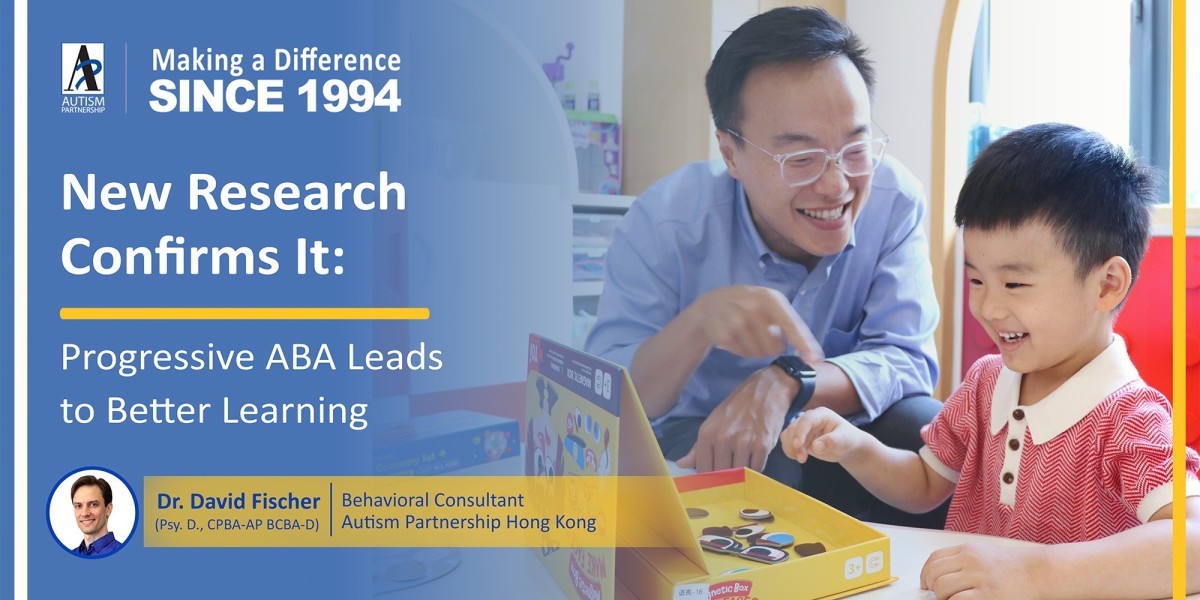
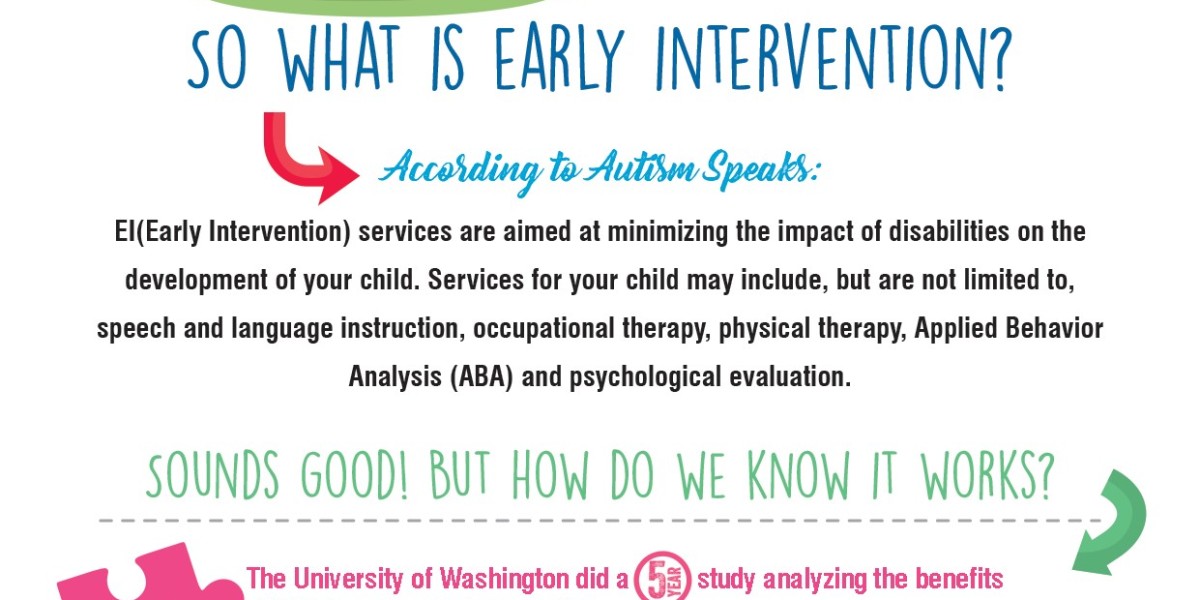
- Behavioral interventions like Applied Behavior Analysis (ABA)
- Educational inclusion support
- Pharmacological options for co-occurring conditions
Note: The page doesn't compare effectiveness or recommend specific treatments.
Important limitations
This is a general encyclopedia overview, not medical advice. The page:
- Doesn't cite recent studies
- Omits many therapy details
- Includes disproven theories (like the refrigerator mother myth) as historical context
For families seeking guidance, Wikipedia can be a starting point, but always consult professionals for individualized support.
Source: Autism - Wikipedia (general reference, no publication date listed)
Read the study: https://en.wikipedia.org/wiki/Autism