
Autism Research in 2026: Progress Amid Funding Challenges
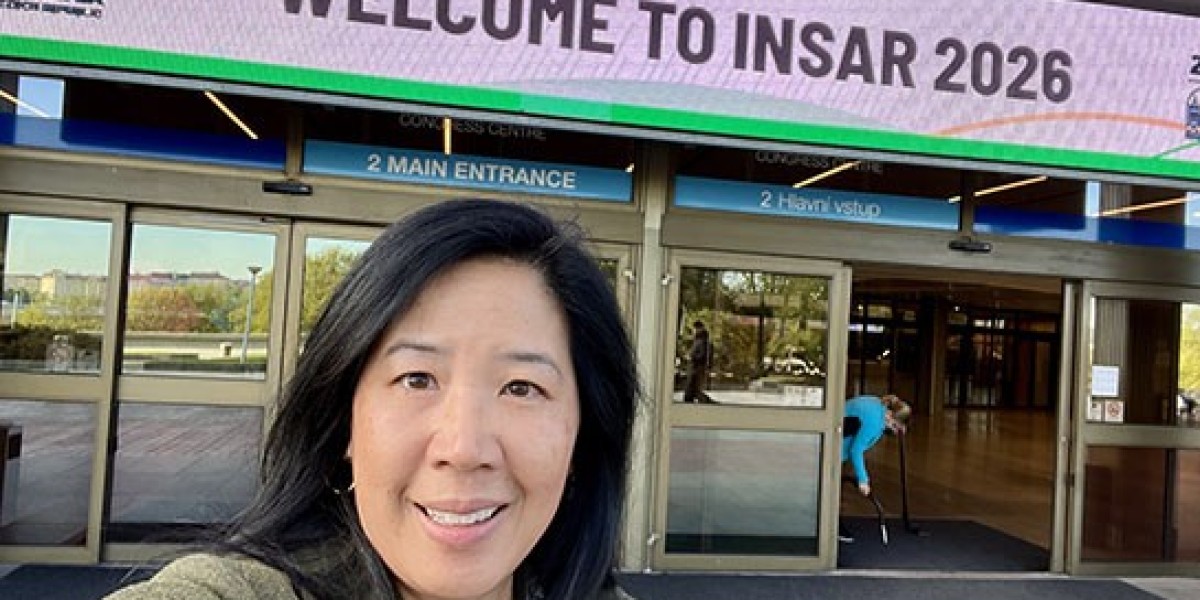
The world of autism research continues to grow stronger and more diverse, even as funding uncertainties persist. According to a recent update from UC Davis Health, over 2,400 top autism researchers from 75 countries gathered in Prague for the 2026 INSAR (International Society for Autism Research) conference. This event, marking INSAR's 25th anniversary, showcased the latest advancements in autism science.
Why This Matters for Autism Families
The INSAR conference is the most significant gathering of autism researchers globally, bringing together experts from various disciplines. Christine Wu Nordahl, a professor at UC Davis MIND Institute and director of the Autism Phenome Project, played a key role in shaping this year's program. Her work focuses on identifying subtypes of autism—a crucial step toward personalized interventions.
For parents and caregivers, this means research is moving in promising directions, even if funding challenges remain. The diversity of studies presented at INSAR suggests that scientists are exploring autism from multiple angles, which could lead to better support strategies for children and adults on the spectrum.
Key Takeaways for Parents
- Stay Informed: Follow updates from reputable sources like the MIND Institute to learn about emerging research that may impact your child's care.
- Advocate for Funding: Since funding uncertainties persist, supporting organizations that promote autism research can help sustain progress.
- Connect with Researchers: Conferences like INSAR highlight the importance of collaboration—consider participating in studies or sharing your family's experiences to contribute to future breakthroughs.
Looking Ahead
While challenges remain, the dedication of researchers worldwide offers hope for continued advancements in understanding and supporting autism. As Nordahl and her colleagues push forward, families can take comfort in knowing that science is evolving to meet their needs.
What You Can Do: Stay engaged with the latest research and consider how you can support efforts to improve autism science. Every voice matters in shaping the future of autism care.
Source: UC Davis Health, May 7, 2026
Source: health.ucdavis.edu