
Autism Research in 2026: What Families Need to Know
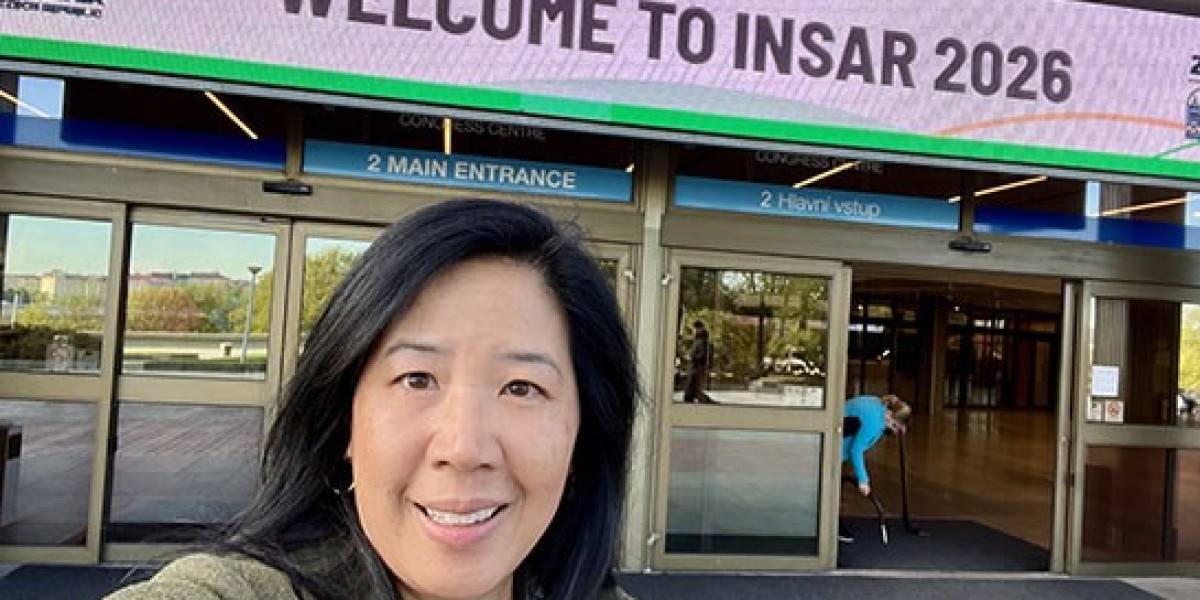
More than 2,400 of the world's top autism researchers recently gathered in Prague for the International Society for Autism Research (INSAR) conference—the most significant global gathering in the field. Despite ongoing funding uncertainties, the research landscape remains strong and diverse, offering hope and new directions for families.
Why This Matters to Autism Families
This year's conference, marking INSAR's 25th anniversary, highlighted the collaborative efforts of scientists and clinicians from 75 countries. Christine Wu Nordahl, a leading researcher from the UC Davis MIND Institute and director of the Autism Phenome Project, played a key role as scientific program chair. Her work, along with others, helps identify autism subtypes and improve personalized support strategies.
For parents, this means that research continues to advance—even amid financial challenges—with a focus on better understanding autism's complexities. The conference emphasized interdisciplinary collaboration, bringing together experts from genetics, neuroscience, psychology, and more to explore holistic approaches.
Key Takeaways for Parents and Caregivers
- Research Is Expanding: A record-breaking 2,563 studies were submitted to INSAR 2026, showing growing global interest in autism science. This diversity means more perspectives are being explored, from early intervention to adult support.
- Personalized Approaches Are Emerging: Projects like the Autism Phenome Project aim to identify autism subtypes, which could lead to more tailored therapies and educational strategies in the future.
- Stay Informed: While funding remains uncertain, families can take heart in knowing that dedicated researchers worldwide are pushing for progress. Following reputable sources like the MIND Institute can help you stay updated on breakthroughs.
What You Can Do Next
1. Engage with Research: Many institutions, including the MIND Institute, seek participants for studies. Consider joining if eligible—it’s a way to contribute to future advancements.
2. Advocate for Funding: Research thrives with support. Contact local representatives to emphasize the importance of sustained autism research funding.
3. Share Knowledge: Discuss these updates with your child’s therapists or educators. New findings may inspire creative approaches to support your child’s growth.
The autism community’s resilience shines through in these efforts. As Nordahl and her colleagues continue their work, families can look forward to more insights—and hopefully, more solutions—on the horizon.
Source: UC Davis Health (May 7, 2026)
Source: health.ucdavis.edu