
Introduction
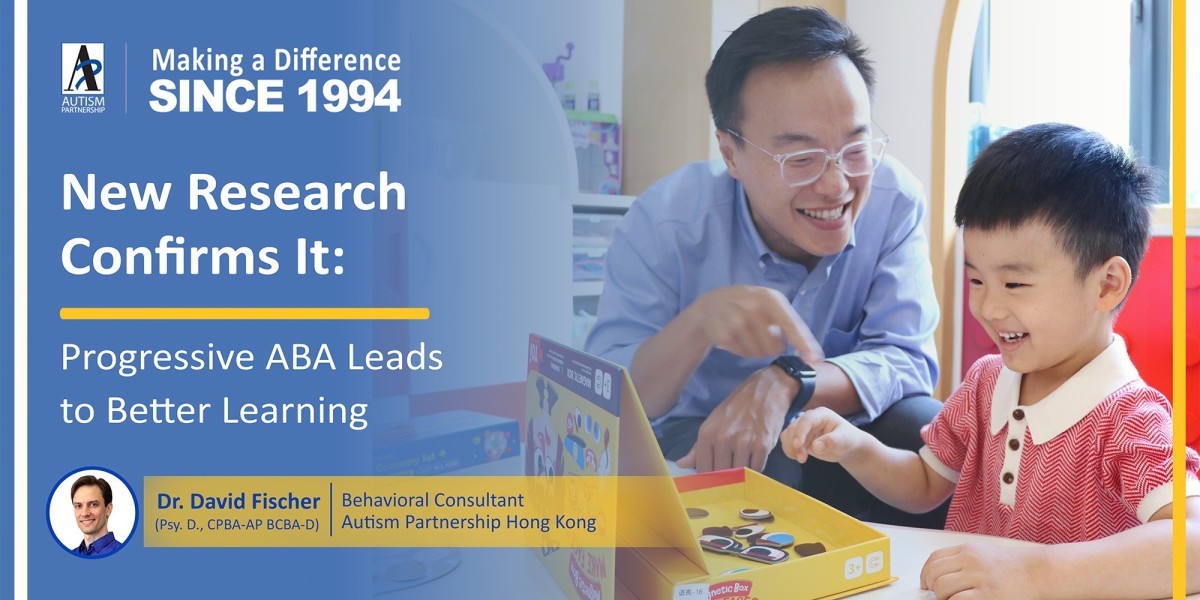
Raising a child with autism spectrum disorder (ASD) comes with unique joys and challenges. As a parent, you are your child's first and most important advocate. But did you know that you can also be a powerful co-therapist, working alongside professionals to enhance your child's development and well-being? Recent research highlights the incredible impact of parent involvement in autism therapy, showing improvements not only for children but also for parents themselves. Let's explore how you can harness the power of partnership to create positive change.
What the Research Shows
The evidence is clear: parent-mediated interventions (PMIs) are highly effective in autism care. Studies consistently demonstrate that when parents actively participate in therapy, children experience significant gains in various areas:
- Adaptive Functioning and Behavior: A 2021 meta-analysis found that PMIs lead to clinically relevant improvements in parent-rated adaptive functioning and disruptive behavior. Learn more here.
- Communication and Social Skills: Parent-led Applied Behavior Analysis (ABA) has shown statistically significant progress in communication, social skills, and emotional regulation. Read the study.
- Emotion Regulation: Community-based Cognitive Behavioral Therapy (CBT) involving parents has been linked to improved mindful parenting and positive practices, leading to better emotion regulation in children. Explore the findings.
Moreover, parent empowerment programs have been shown to significantly improve parental self-efficacy, reduce perceived stress, and increase family empowerment. Discover the benefits.
Established evidence-based practices like ABA and the Early Start Denver Model (ESDM) also emphasize the importance of parent involvement. For example, ESDM with 20 hours/week of therapy, including 5 parent-led hours, has been shown to improve IQ, adaptive skills, and autism symptoms. Learn more about evidence-based treatments.
Practical Tips for Parents
Ready to become a more active participant in your child's therapy? Here are some practical tips:
- Communicate with Therapists: Maintain open and frequent communication with your child's therapists. Ask questions, share your observations, and collaborate on treatment goals.
- Seek Training: Participate in parent training programs offered by therapists or organizations specializing in autism care. These programs can equip you with valuable skills and strategies.
- Incorporate Strategies at Home: Consistently apply the techniques and strategies learned in therapy to everyday situations at home. This reinforces learning and promotes generalization of skills.
- Practice Self-Care: Remember that taking care of yourself is essential for effectively supporting your child. Prioritize self-care activities to manage stress and maintain your well-being.
- Join a Support Group: Connect with other parents of autistic children for support, encouragement, and shared experiences.
By embracing your role as a co-therapist, you can make a profound difference in your child's life. Your involvement not only enhances their development but also strengthens your bond and empowers your family. Remember, you are not alone on this journey. The Autism Society of North Carolina identifies 28 evidence-based practices, emphasizing early and lifelong interventions. Explore these practices.
We encourage you to explore the resources mentioned in this post and connect with professionals who can guide you on this path. Share your experiences and insights with our community – together, we can empower each other and create a brighter future for our children.