
Raising a child with autism presents unique joys and challenges. As parents, you are the most important advocates and support system for your child. Recent research highlights the incredible impact you can have through parent-mediated interventions (PMIs), parent-led Applied Behavior Analysis (ABA), parent empowerment programs, and community-based Cognitive Behavioral Therapy (CBT) with parent involvement. Let's explore how these approaches can empower you to make a real difference in your child's life.
What the Research Shows
The evidence is clear: actively involved parents can significantly improve outcomes for children with autism. Here's a look at what the latest studies reveal:
- Parent Empowerment Programs: Studies show that programs combining motivational interviewing and training can dramatically increase parental self-efficacy and reduce stress. A study showed significant improvements in parental self-efficacy (*t* = 5.340, *p* < 0.001) and reduced perceived stress (*t* = −4.636, *p* < 0.001) through these programs. Learn more about one such study here.
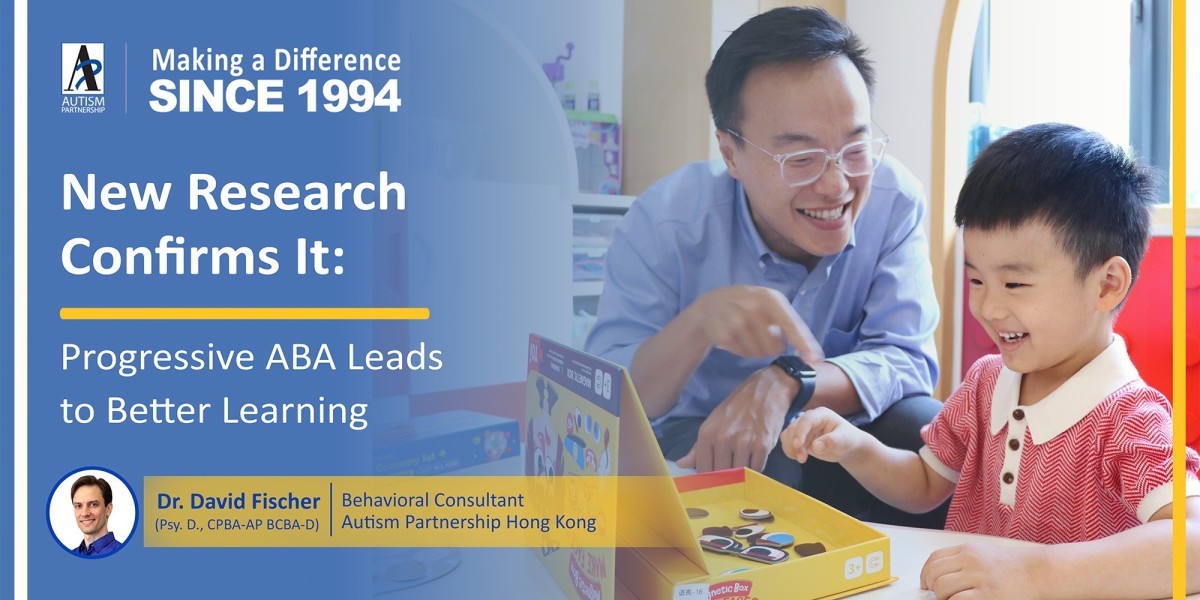
- Parent-Led ABA: Parent-led ABA is emerging as a viable and accessible alternative to clinical ABA. A retrospective study demonstrated statistically significant progress in communication (*P*=.04 high utilization; *P*=.001 comprehensive), social skills (*P*=.02), emotional regulation (*P*<.001 fair/full utilization), and overall success (*P*=.03 fair; *P*=.001 full). This approach addresses barriers to access and empowers parents to take the lead. Read the full study here.
- Community-Based CBT with Parent Involvement: Engaging in community-based CBT alongside your child can lead to improvements in mindful parenting and positive practices. Research indicates that these improvements can, in turn, positively influence your child's emotion regulation. A study of 77 parent-child dyads showed that improvements in mindful parenting and positive practices post-intervention mediated child emotion regulation reductions, including reactivity (*r*(74) = 0.40, *p* < 0.001). More information can be found here.
- Broader Evidence: A 2021 meta-analysis of PMIs showed clinically relevant effects on parent-rated adaptive functioning and disruptive behavior reductions. You can explore this meta-analysis here. The National Clearinghouse identifies 28 evidence-based practices, including ABA and visual supports, effective across lifespans. The Early Start Denver Model (ESDM), with parent involvement, has also shown significant improvements in children. Comprehensive intensive ABA for young children aligns with evidence-based standards (link).
Practical Tips for Parents
So, how can you put these research findings into action? Here are some practical tips:
- Seek out Parent Training Programs: Look for programs that offer training in ABA techniques, CBT strategies, or general parenting skills tailored for autism.
- Embrace Parent-Led ABA: Consider exploring parent-led ABA programs. These programs empower you to implement ABA principles in your daily routines.
- Engage in Community-Based CBT: Find community-based CBT programs that involve parents. This will allow you to learn strategies alongside your child and reinforce them at home.
- Prioritize Self-Care: Remember that taking care of yourself is crucial. Utilize stress-reduction techniques and seek support from other parents or professionals.
- Advocate for Your Child: Stay informed about the latest research and advocate for evidence-based practices in your child's school and community.
You are a powerful force in your child's life. By embracing these research-backed strategies, you can create a supportive and nurturing environment that fosters their growth and development. We encourage you to explore these options and find what works best for your family. Share your experiences and connect with other parents in the AutismCare Hub community – we're all in this together!