
Understanding Autism's Complex Landscape: What Families Need to Know
Autism research is undergoing a significant shift, according to a recent editorial in Nature Mental Health. The traditional view of autism as a single, uniform condition is giving way to a more nuanced understanding—one that embraces the vast diversity in how autism presents across individuals. This evolving perspective has important implications for families, therapists, and the autism community at large.
Why This Matters for Autism Families
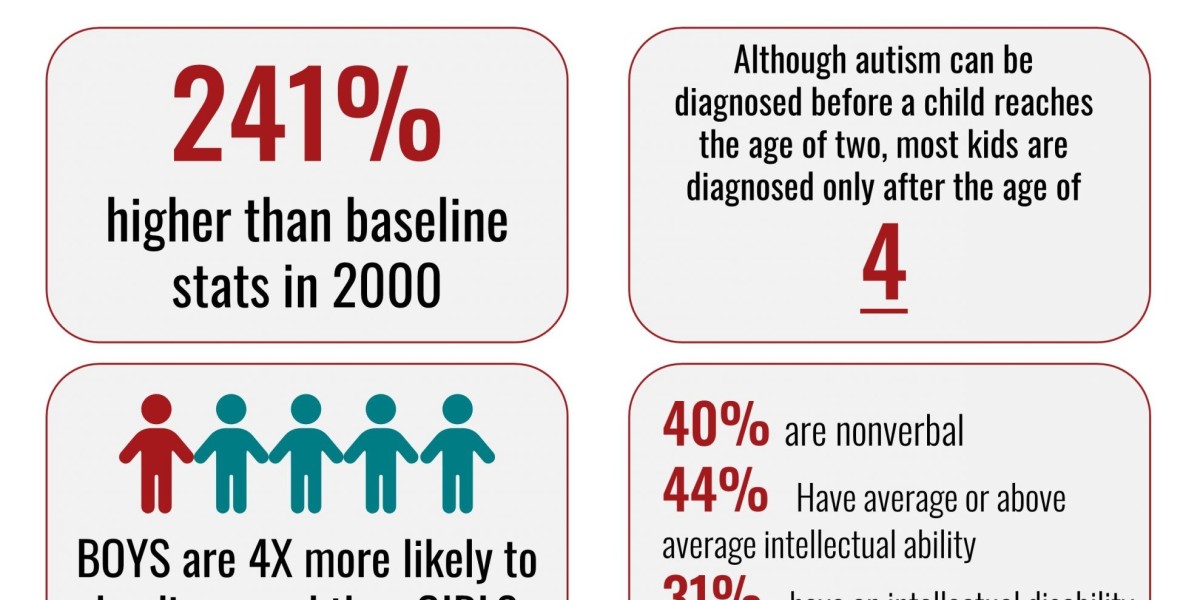
Autism spectrum disorder (ASD) affects more than 1% of the global population, making it as prevalent as many common neurological conditions. However, as the editorial highlights, autism is not a one-size-fits-all diagnosis. It encompasses a wide range of behaviors, sensory processing differences, intellectual abilities, and developmental trajectories. This means that two children with the same autism diagnosis may have very different strengths, challenges, and support needs.
The editorial emphasizes that autism is a lifelong, multifaceted condition—not a neurodegenerative disorder—and that its heterogeneity makes understanding its causes and delivering effective support a complex challenge. This recognition is leading researchers to move beyond a deficit-focused view of autism and instead incorporate a neurodiversity lens that values individual differences.
What This Means for Parents and Therapists
For parents, this evolving understanding means:
- Personalized approaches matter: Because autism manifests so differently from person to person, interventions and supports should be tailored to the individual child's needs rather than relying on a one-size-fits-all model.
- Strengths-based perspectives help: Viewing autism through a neurodiversity lens—focusing on strengths as well as challenges—can lead to more empowering and effective support strategies.
For therapists and educators, this shift underscores the importance of:
- Recognizing the wide variability in how autism presents
- Moving beyond cookie-cutter approaches to therapy and education
- Incorporating individual interests and strengths into support plans
Practical Takeaways for Families
1. Advocate for individualized assessments and supports. Given the diversity within autism, push for evaluations and interventions that consider your child's unique profile.
2. Focus on understanding rather than "fixing." Learn to appreciate your child's unique way of experiencing the world while supporting them in areas where they need help.
3. Seek out neurodiversity-affirming resources. Look for therapists, educators, and communities that embrace a strengths-based approach to autism.
Moving Forward Together
As our understanding of autism continues to evolve, families play a crucial role in advocating for approaches that honor neurodiversity and meet individual needs. This shift in perspective—from seeing autism as a deficit to understanding it as a different way of being—has the potential to improve research, services, and most importantly, the lives of autistic individuals.
What questions do you have about these developments in autism understanding? Share your thoughts in the comments below.
Source: The complex and emerging landscape of autism, Nature Mental Health (March 11, 2026)
Source: www.nature.com